
 Worksheets
Book (A) Unit 1: Lesson 1 - 6 Quiz
Total questions: 30
Worksheet time: 30mins
____________is the smallest functional and structural unit of all living organisms.
Cell
Unicellular
Organisms
Multicellular
____________organisms made up of one cell.
Cell
Unicellular
Organisms
Multicellular
____________a membrane bound organelle that contains the cell’s DNA.
Cell Wall
Cell Membrane
Organelle
Nucleus
_________is a single-celled organism that does not have a nucleus or membrane-bound organelles.
Prokaryote
Eukaryote
Unicellular
Multicellular

Which of the following are characteristics of multicellular organisms? Select all that apply.
Made up of one cell.
Made up of many cells.
The cells have specialized functions.
Carries out all of the life functions in one.

What are the 4 types of carbon-based molecules in organisms?
carbohydrates, lipids, fatty acids, and monomers
polymers, monomers, acids, bases
adhesion, cohesion, evaporative cooling, and high specific heat
nucleic acids, proteins, lipids, and carbohydrates
What are proteins made of?
amino acids
monosaccharides
nucleic acids
fatty acids
What is the primary function of DNA?
to make nucleic acids
long term energy storage
store genetic information
to function as RNA
Which is used to make proteins in the cell?
nucleus
golgi apparatus
ribosomes
vesicles
What is the function of the cell membrane?
Produces ATP
Produces proteins and lipids
Keep the organelles in place
Control what enters and leaves the cell


Plant cells and animal cells
are both prokaryotic
are both eukaryotic
do not have a nucleus
do not have DNA
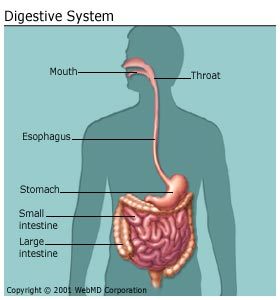
Which statement best explains the relationship between structure and function in an organism?
Structure and function refer to the different tissue types within an organism.
Structure and function refer to the jobs of tissues, organs, and organ systems.
Structure and function refer to the locations of tissues, organs, and organ systems.
Structure and function refer to the locations and jobs of different tissues, organs, and organ systems working together.
___ is the maintenance of an internal balance of conditions in a changing external environment.
Diffusion
Endocytosis
Passive transport
Homeostasis
What are four things that cells can do to maintain homeostasis?
make new cells
exchange materials
rest
eliminate wastes
obtain and use energy
The movement of particles across a cell membrane without the use of energy by the cell is called?
Active Transport
Passive Transport
Endocytosis
Exocytosis
______ is the movement of molecules from high concentrations to low concentrations.
Diffusion
Endocytosis
Exocytosis
Osmosis

When particles are enclosed in a vesicle and released from a cell, the process is called _____?
diffusion
endocytosis
exocytosis
osmosis
Diffusion and osmosis are what type of transport?
Active transport
Passive transport
The process that releases energy (ATP) by breaking down glucose. (converts food molecules (glucose) into a form usable (ATP) by the organism)
Cellular Respiration
Photosynthesis
Conversion of light energy from the sun into chemical energy (stored in glucose).
Photosynthesis
Cellular Respiration

What is the full name of the molecule ATP?
(Just wondering if you know without using the internet)
Adenine Diphosphate
Adenosine Diphosphate
Adenine Triphosphate
Adenosine Triphosphate

