
 Worksheets
Science
Total questions: 70
Worksheet time: 1hrs 2mins

Where do penguins live?
Polar region
Ocean
Forest
Desert
Vertebrate means that an animal has a:
nose
ears
spine
fur

What HABITAT is it?
jungle
ocean
farm
desert

This is a scorpion. Its habitat is...
Desert
Ocean
Polar regions
Which animal is NOT cold-blooded?
a fish
a mammal
a reptile
an amphibian

Which habitat is very dry, has very little plant life, and is too hot to support many animals?
The river
The forest
The desert
The polar region
A fish can breathe underwater. What body part does a fish use for breathing?
fins
gills
scales
stomach
Mammals are one of the classifications. Mammals are known for:
Having feathers.
Having fur and feeding their young milk.
Laying eggs.
Having no spine.
Fish are known for:
Living entirely underwater.
Having fur.
Having feathers.
Feeding their young with milk.
Amphibians are known for:
Being cold blooded and living partly on land and partly in the water.
Having fur.
Being warm blooded.
Having feathers.
An example of a reptile is a:
cobra
toad
elephant
robin
An animal that can control its own body temperature is called:
cold blooded
warm blooded
Which of these is NOT a vertebrate?
Grasshopper
Penguin
Salamander
Mouse
Animal 1: backbone/feathers/warm-blooded
Animal 2: backbone/scales/gills/cold-blooded
Animal 3: cold-blooded
Animal 4: backbone/hair
Why do scientists classify animals?
to organize information
to show relationships
to learn more about animals
all of the above
Which is NOT a way scientists classify animals into groups?
by how much they weigh
by their body covering
by whether they are cold-blooded or warm-blooded
by whether they are vertebrates of invertebrates
Name THREE groups of invertebrates.
jellyfish, spiders, crawfish
grouper, snapper, blow fish
goldfish, parrot fish, angel fish
What type of animal is a crab?
Fish
Mammal
Crustacean
Amphibian


What's the name of this animal and its habitat?
Fish and sea
Zebra and jungle
Fish and desert
Goat and mountain
Plants get the light it needs from:
Rain
Sun
Soil
Clean air and carbon dioxide
Plants need the following except one
water
air
light
pizza
Plants get Nutrients from Soil, these nutrients give them energy.
True
False
Plants help humans by releasing oxygen.
True
False

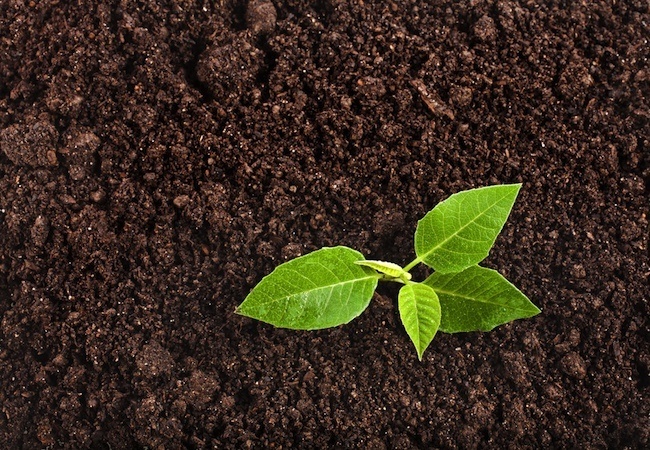
The part of the plant that absorbs water is _________.
Roots
Flowers
Stem
Leaves
All plants have these parts.
Leaves and roots
Leaves and stems
Roots and stems
Roots, leaves and stems
What do you call to the plants that grow on water?
Aerial Plant
Aquatic Plant
Terrestrial Plant
Floating Plant
What would happen to aquatic plants if you plant it on land?
It will grow.
It will have many flowers.
It will have many fruits.
It will not grow.
Which of the following is an example of terrestrial plant?


Choose a plant that float on the water!


Where do elephants live?
Forest / Jungle
Desert
Polar region

What is wind?
Moving air
stopped air

Strong and fast moving wind is called
Storm
wind
rain

Windmills are used to produce
rain
electricity
What is matter? (choose the best answer)
Anything with mass and takes up space
Where to begin?
Solids
things I can see and touch
What is an example of a property of matter?
Smell
Shape
Boiling Point
All of the Above
A Solid has:
A definite Shape but not volume
Definite Shape and Definite Volume
Definite Volume but not a Definite Shape
Neither a Definite Shape nor a Definite Volume
Liquid has
A definite shape but not volume
definite shape and definite volume
definite volume but not a definite shape
neither a definite shape nor a definite volume
A Gas has:
a definite shape but not a definite volume
a definite shape and a definite volume
a definite volume but not a definite shape
Neither a definite shape nor a definite volume


What are the four front middle teeth that help to bite the food called?
incisors
premolars
molars
canines


Which teeth are identified in this picture? These teeth are big and strong to help you grind food so it can be swallowed
incisors
premolars
molars
canines
Which teeth help you cut your food?
canines
incisors
premolar
molars
An adult has ___ teeth.
42
32
22
What is the correct order of arrangement of teeth from front to back of the mouth?
Incisors, Canines, Premolars, Molars.
Canines, Premolars, Molars, Incisors.
Incisors, Premolars, Canines, Molars.
What are the last four teeth a person will get?
wisdom
molar
premolar
canine

¿What is this material made of?
Steel
Wool
Wood
Slick

¿What is this material made of ?
Wool
Silk
Glass
Wood
Which material is shiny and conducts electricity
Meetal
Polythene
Rubber
Metal
Which material is flexible and elastic and a opaque
Fabric
Tissue paper
Rubber
Wood
Which material is weak and absorbent
Fabric /faabrick
Paper /tissue paper
Polythene/plastic
None of theme
which property is most important for a raincoat?
rigid
hard
waterproof
transparent
A magnet will pick up an object that is made of...
plastic
iron or steel
glass
copper


This picture shows which stage of the butterfly?
pupa
egg
larva
adult
The parts of an animal's life from birth to death is called a____?
Life cycle
Seed Coat
Food Chain
Heart Rate

