
 Worksheets
extraordinario Inglés 2
Total questions: 83
Worksheet time: 42mins
Ella es mi mamá
They are my mom
You are my mom
She is my mom
He is my mom
Yo no estoy en la clase
I´m not in class
You aren´t in class
We aren´t in class
He isn´t in class
Están ellos en la casa?
Are we in the house?
Is he in the house?
Are they in the house?
Are you in the house?
Usted es
I´m
You´re
They´re
He´s

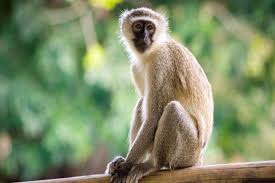
What can a monkey do?
It can fly.
It can talk.
It can climb trees.

What can a crocodile do?
It can run fast.
It can swim.
It can fly.
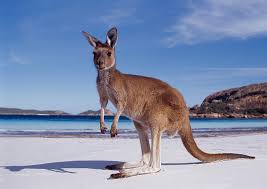
What can a kangaroo do?
It can jump.
It can swim.
It can talk.

What can a parrot do?
It can swim.
It can ride a bike
It can talk.

What can an elephant do?
It can climb a tree.
It can jump.
It can walk with four legs.
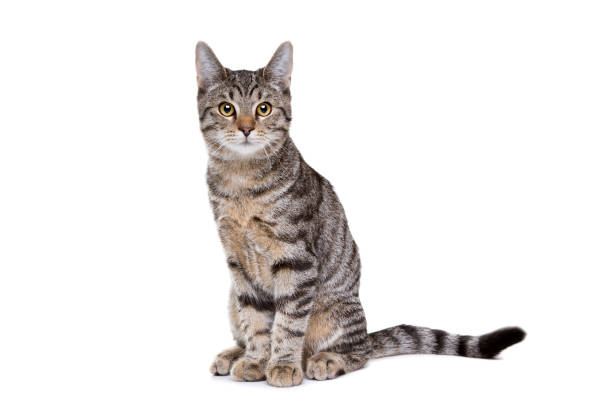
A cat ....
can´t climb trees.
can´t run fast.
can´t dive.

A tiger ....
can´t walk.
can´t jump.
can´t fly.

Can she sing?
Yes, she is.
No, she isn´t.
Yes, she can.
No, she can´t
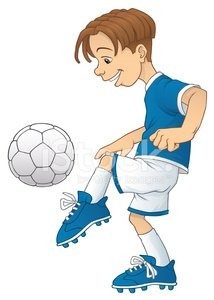
Can he play soccer?
Yes, he is.
No, he isn´t.
Yes, he can.
No, he can´t.


Can they swim?
Yes they can
No they can't
Yes they can't
Yes can they

I´M A FISH, I CAN´T SWIM BUT I CAN SING
I´M A FISH, I CAN SWIM BUT I CAN FLY
I´M A FISH, I CAN SWIM AND I CAN´T SING
I´M A FISH, I CAN SWIM BUT I CAN´T SING

SELECT THE CORRECT AFFIRMATION
I´M A PARROT, I CAN TALK, BUT I CAN´T RUN
I´M A PARROT, I CAN´T FLY BUT I CAN SWIM
I´M A PARROT, I CAN DIVE BUT I CAN´T RUN
I´M A PARROT, I CAN´T DIVE BUT I CANT RUN
¿Cuál de las siguientes oraciones está correctamente escrita?
He can swim
He can swimming
¿Cuál de las siguientes oraciones está correctamente escrita?
I can playing soccer
I can play soccer
¿Cuál de las siguientes oraciones está correctamente escrita?
It is can run in the park
It can run in the park.

en español significa:
no poder
pudo
poder

en español significa:
no poder
no pude
pude

(Complete with an affirmative form)
(completa con la manera afirmativa)
She ________ sing well.
can
can't

Alice and Mike ___________ run fast.
can't
can
Can habla de:
Habilidades físicas del presente
Posibilidades del futuro
Hechos concretos
Significado literal de "Can"
Podria
Poder
Pude
Significado literal de "Could"
Podria
Poder
Pude
Pude o podria
En inglés " Ellos pueden correr" seria:
They could run
They can run
They can to run
En inglés, El modal que se usa en " Ella pudo estudiar mas" es:
Can
Could
Should
La oracion " They couldn't stop the bus because it was late" esta en tiempo:
Futuro
Pasado
Presente
Could se usa en tiempo:
Presente
Pasado
Futuro y pasado
We ____ (play) video games yesterday at 3 o'clock.
were play
was playing
were playing
was play
They ____ (not/do) their homework yesterday at 3 o'clock
was not doing
were not doing
was not do
In 2010, we ____ (live) in a small flat in London.
were living
was live
were live
was living
Identifique en que forma esta la siguiente oración:
They weren´t watching tv.
Interrogativa
Afirmativa
Negativa
Elije la traducción correcta de esta oración:
The dog was eating on the bed.
El perro estaba durmiendo sobre la cama
El perro estaba jugando sobre la cama
El perro estaba comiendo sobre la cama
La siguiente formula gramatical " Was / were + S + verbo ing + complento " es para la forma :........
Negativa
Interrogativa
Afirmativa
My sisters __________________ chicken with fries
was cook
were cook
was cooking
were cooking
I ____________ tennis with Steven
was play
were playing
was playing
were play
Simón ................ his guitar last sunday
play
playing
played
plays
My mom .............. dinner last night
cooked
cooking
cooks
cook

elige el verbo en pasado
listening
listened
listen
listens

elige el verbo en pasado
cry
cried
crying
cries

elige el verbo en pasado
swim
swims
swam
swimming

elige el verbo en pasado
ate
eat
eating
eats

elige el verbo en pasado
dancing
dance
dances
danced

elige el verbo en pasado
sang
sing
sung
singing

elige el verbo en pasado
wash
washes
washed
washing

elige el verbo en pasado
spoke
speaks
speaking
speak

En el pasado simple hay verbos.....
plurales irregulares
verbos regulares y verbos irregulares
verbos imperativos
verbos auxiliares

uso del pasado simple
para hablar de acciones que pasaran
para hablar de una acción
para hablar de una acción concreta que comenzó y termino en el pasado.

Selecciona el pasado simple del verbo '' drink ''
drink
drinked
drinkked
drank

Selecciona el pasado simple del verbo '' go ''
wented
went
going
go on

Selecciona el pasado simple del verbo '' she is''
she was
were
she were
was

Sujeto + verbo auxiliar (to do) + “not” + verbo principal (en infinitivo)…
es la estructura de una oración ...?
afirmativa
negativa (verbo to be)
negativa
interrogativa (verbo to be)
interrogativa
¿Did es un auxiliar que se usa en presente simple?
Falso
Verdadero

El Did lo utilizamos en la forma:
afirmativo
Negativo
Afirmativo y Negativo
Negativo e Interrogativo

El did se debe trabajar con verbos en pasado simple
Regulares
irregulares
Regulares e irregulares
ninguno
Encontra la oración que tiene un error
I used too play board games
I didn't use to wake up so early
Did you use to be so tall?
No hay ningún error
Encontra la oración que tiene un error
I didn't use to like vegetables
Did you used to practice sports?
I used to pretend to be a superhero
No hay ningún error
Encontra la oración que tiene un error
I used to play in the garden
I use to sing all day long
I used to run everyday
No hay ningún error
¿Qué ocurre con "use to" en preguntas/negaciones?
Le agregamos D porque es un verbo regular
Va en infinitivo porque ya está el auxiliar
Le agregamos ing
No tengo idea
¿Qué auxiliar usamos para negaciones/preguntas con "use to" en pasado?
DO
DOES
DID
NINGUNO
¿Cómo va el verbo después de "Used to"?
en pasado
con ing
en infinitivo
con s/es
What's the meaning of "Used to"?
usaba
solía
¿Cómo va el verbo después de "Used to"?
en pasado
con ing
en infinitivo
con s/es
¿Did es un auxiliar que se usa en presente simple?
Falso
Verdadero
¿Did es un auxiliar que se usa en presente simple?
Falso
Verdadero
¿Did es un auxiliar que se usa en presente simple?
Falso
Verdadero
THERE IS se utiliza para...
oraciones en singular.
oraciones en plural.
THERE ARE se utiliza para...
oraciones en singular.
oraciones en plural.
Translate:
"THERE ISN'T A MUSEUM IN THE CITY"
No hay museos en la ciudad.
Hay un museo en la ciudad.
Hay tres museos en la ciudad.
No hay un museo en la ciudad.

There is a boy.
There are two boys.

There are two cats
There is a cats
Complete:
"____________four chairs in the living room".
There is
There are
Complete:
"_____________ a telephone in the bedroom".
There are
There is
There ... a small cat playing with some toys.
are
have
is
A: Are there two birds in the tree?
B: Yes, ...
there is
are there
there are
A: ... a taxi waiting for us?
B: Yes, ...
Is there/ is there
Is there/ there is
Are there/ there is
_____________ a telephone in the bedroom.
There are
There is
____________four chairs in the room.
There is
There are
_________________five pens in the box.
There are
There is

