
 Worksheets
Rates and material change revision
Total questions: 21
Worksheet time: 12mins
Which of these pieces of equipment is beaker?


Which piece of equipment should you use to measure out liquids?


Silver
S
Ag
Au
Sn
Carbon
C
Ca
Cu
Cr
Copper
Cu
C
Cr
Co
Sodium
Ne
S
Na
Mg
Iron + copper oxide =
Iron + copper oxide
Iron oxide + copper oxide
Iron oxide + copper
Magic
Which one of the following combinations result in a displacement reaction?
Iron with magnesium chloride
magnesium with iron chloride
Iron with Zinc Sulphate
gold with silver nitrate
Which metals rusts?
Copper
manganese
iron
potassium
What environmental element assists rusting?
nitrogen
oxygen
carbon
hydrogen
Which solution would turn litmus red?
Potassium hydroxide
Sodium chloride
HNO3
Ammonia

What is the nature of the solution present in the beaker?
Alkali
Acidic
Neutral
Water

Which of the set of pH paper depicts that the dipped solution is highly acidic?
(compare with the pH scale and find out)


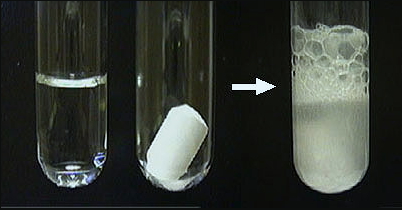
How could we make this reaction happen more quickly?
Decrease the concentration of the acid
crush the chalk to increase the surface area
Put the test tube in an ice bath
Sodium + Hydrochloric acid ->
Sodium chlorine
Sodium chlorine + hydrogen
Sodium chloride + hydrogen
Sodium chloride
How can you test for hydrogen gas?
sniff it
squeaky pop test
add universal indicator
add lemon water

