Wayground logo

Free Printable Worksheets

Font size

S
M
L
XL
Worksheets

Molecueles of life

Total questions: 25

Worksheet time: 25mins

Name
Class
Date
1.

What is the function of glucose in human body?

a)

Substrate for cellular respiration

b)

Energy storage

c)

To form glycogen

d)

Can be crystalized

2.

What is the name of this molecule?

a)

Fructose

b)

β-glucose

c)

α-glucose

d)

hexose sugar

3.

The Oxygen atoms in the molecule shown have this charge:

a)

Positive

b)

Partial Positive

c)

Negative

d)

Partial Negative

4.
Water is a universal solvent because it...
a)
It can be found anywhere
b)
It freezes when it gets cold
c)
floats when frozen
d)
Dissolves most substances
5.
Which end of the water molecule has a slightly positive charge?
a)
the oxygen end
b)
the hydrogen end
c)
both ends are slightly positive
d)
neither end is positive
6.

What type of bond is found BETWEEN water molecules?

a)

hydrogen bonds

b)

ionic bonds

c)

nonpolar covalent bonds

d)

polar covalent bonds

7.

Which part of a water molecule has a Negative Charge?

a)

The Hydrogen

b)

The Oxygen

c)

The Left

d)

The Right

8.

Water is polar. What does that mean?

a)

it is a molecule with opposite charges on opposite ends

b)

it is a molecule with no charge

c)

it is a molecule with identical charges on opposite ends

d)

it is a molecule with too many protons

9.

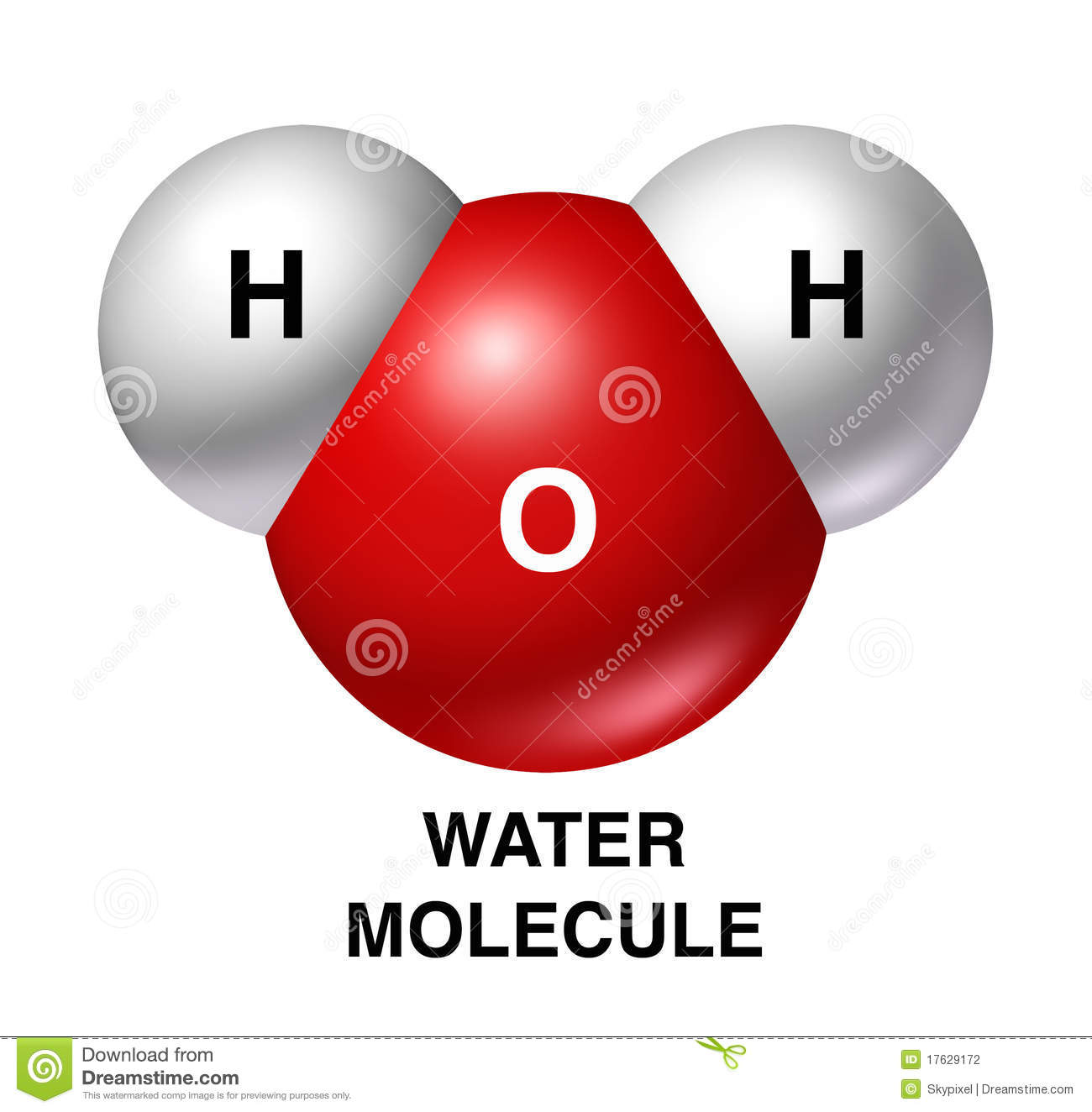
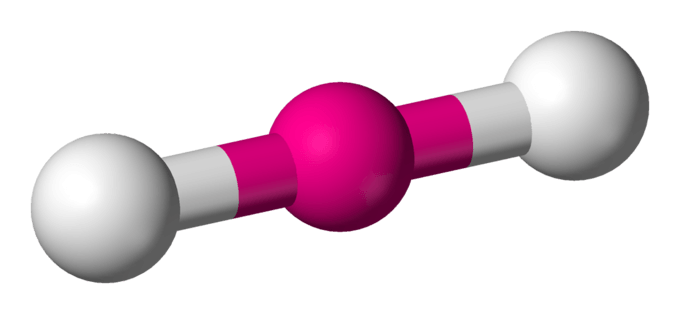
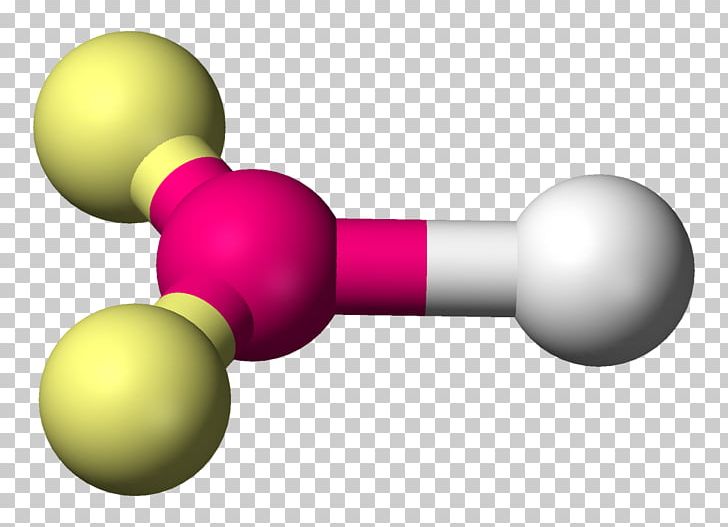
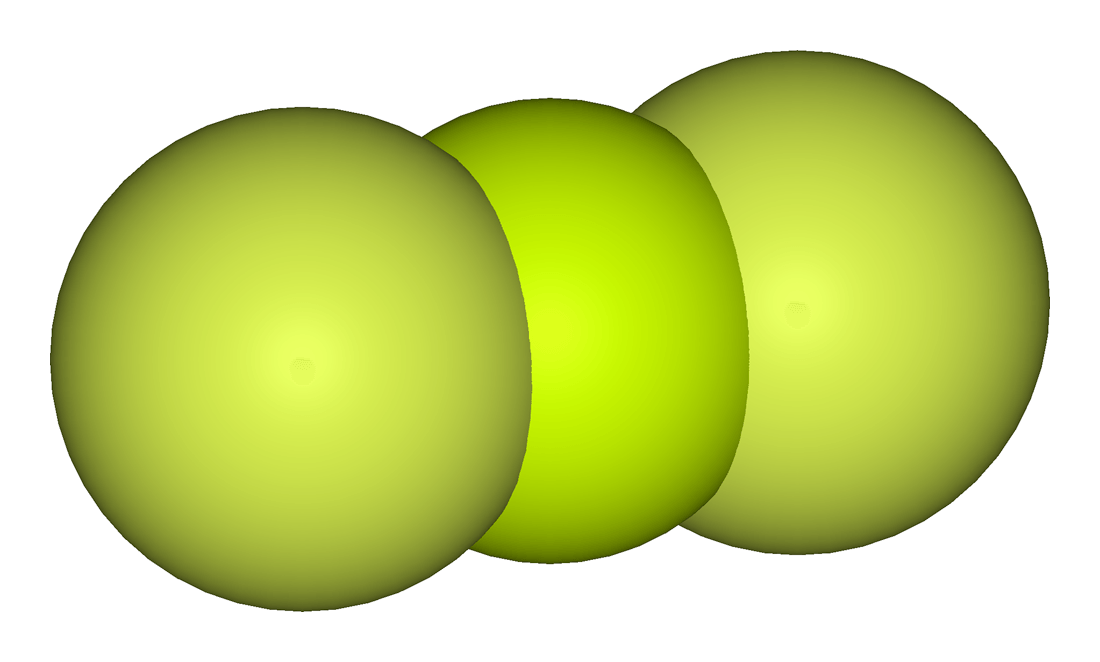
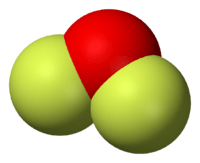
Which of the following is the correct molecular structure for water, H2O?
a)
b)
c)
d)
10.

Which is a disaccharide?

a)

Glucose

b)

Fructose

c)

Sucrose

d)

Cellulose

11.

Which provides long-term energy storage?

a)

glycogen, because it is a polysaccharide

b)

glucagon, because it is a complex protein

c)

glucose, because it is a monosaccharide

d)

cellulose, because it is a complex carbohydrate

12.

In which form do plants store energy?

starch

glycogen

chitin

cellulose

a)

Starch

b)

Glucogen

c)

Chitin

d)

Cellulose

13.

Which statement about carbohydrates is true?

a)

Carbohydrates transmit genetic information.

b)

Carbohydrates provide energy for living things.

c)

Carbohydrates regulate cell processes.

d)

Carbohydrates fight disease.

14.
A single unit of sugar is referred to as:
a)
Monosaccharide
b)
Monocarbohydrate
c)
Mononutrient
d)
Monopolymer
15.
What type of carbohydrate is this?
a)
polysaccharide
b)
disaccharide
c)
monosaccharide
d)
it isn't a carbohydrate
16.
What type of carbohydrate is this?
a)
polysaccharide
b)
disaccharide
c)
monosaccharide
d)
it isn't a carbohydrate
17.

Which polysaccharide is used by plants to make their cell wall?

a)

starch

b)

glycogen

c)

cellulose

d)

chitin

18.
What elements make up carbohydrates?
a)
Carbon, hydrogen, nitrogen, oxygen
b)
sulfur, carbon, hydrogen
c)
glucose and fructose
d)
carbon, hydrogen, oxygen
19.
How many sugar units make up monosaccharides?
a)
one
b)
two
c)
three
d)
zero
20.
What molecule is this
a)
sucrose
b)
protein
c)
glucose
d)
cellulose
21.

Tendency of the same molecules to stick to one another

a)

cohesion

b)

adhesion

c)

polar molecules

d)

capillary action

22.
How are DNA and RNA similiar?
a)
They have nucleotides.
b)
They have the same sugar.
c)
They have the same bases.
d)
They are double strands.
23.

What molecule is this

a)

glucose

b)

steroid

c)

polypeptide

d)

triglyceride

24.
What is a peptide bond?
a)
Bond that holds two amino acids together.
b)
A bond that holds hydrogen and oxygen molecules together.
c)
A bond that holds the phosphate group of one nucleotide and a sugar of a neighboring nucleotide.
d)
A bond that is formed by the sharing of electrons.
25.
What is the monomer of proteins?
a)
amino acids
b)
polypeptides
c)
nucleotides
d)
monosaccharides