
 Worksheets
Thermal heat transfer, electromagnetic spectrum
Total questions: 50
Worksheet time: 1hrs 23mins

What type of heat transfer takes place when you touch a warm mug of hot chocolate?
Radiation
Convection
Conduction
None of the above

Conduction requires
Electricity
the electromagnetic spectrum and particles
air or water flow
direct contact

Heat transfer always moves ...
cold to hot
east to west
hot to cold
north to south
If you walk barefoot on hot asphalt, energy is transferred by which process?
Convection
Radiation
Conduction
Reflection

When air is heated, its volume ____________.
increases
decreases
remains the same
When air is heated, its density ___________.
increases
decreases
remains the same
Which of the following is an application of convection?
The movement of heat through a metal pan to the food.
The use of ice box to keep drinks cool.
The sea breeze that blows from sea to land.
The use of wool blanket to keep the body warm.
In the process of convection, energy is transferred _________.
because of temperature differences in a solid
because of density differences in a liquid
by the diffusion of molecules throughout a fluid
by the vibration of molecules

Some dye in a beaker of water is gently heated. Why are the streaks of dye seen in the water?
The hot dye is a better conductor than the cool water.
The hot dye is a better convector than the cool water.
The hot water is less dense than the cool water.
The hot water is denser than the cool water.
By which process is thermal energy transferred through a vacuum?
conduction only
convection only
conduction and convection only
radiation only
Which type of surface is the best absorber of infra-red rays?
black and rough
black and smooth
white and rough
white and smooth
list the types of heat transfer
conduction,convection,radiation
thermometer,heat,kinetic energy
temperature,convection current, density
evaporation, condensation, precipitation

Which phase is the best conductor of heat?
Solid
Liquid
Gas


Boiling Water
Conduction
Convection
Radiation
than in hot things.

Which EM waves have the longest wavelength?
radio
x-rays
ultraviolet
gamma rays
Which EM waves have the shortest wavelength?
radio
x-rays
ultraviolet
gamma rays
Which color waves have the lowest frequency?
red
yellow
green
violet
Which color waves have the shortest wavelength?
red
yellow
green
violet
What happens to frequency when wavelength decreases?
stays the same
decreases
increases
There is no relationship between wavelength & frequency.
What are the causes of sea level rise? (select all)
glaciers melting
thermal expansion
sea level rise isn't real
What is causing temperatures to get warmer on earth?
The earth is moving closer to the sun
The sun is just getting hotter; no one knows why
Carbon dioxide and other greenhouse gases are trapping more and more heat from the planet

Write a hypothesis, if the ice on the island melts what will happen?
Two objects with different temperature in thermal contact will reach thermal equilibrium when.....
both object becomes hotter
both objects become colder
both object reach the same final temperature

What happens to the temperature if I add ice cubes to a glass of soda
The heat transfers from the coke to the ice
The heat transfers from the ice to the coke
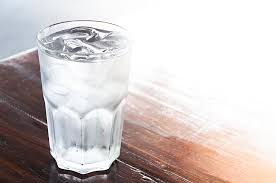
Johnny put ice in his water. Which idea do you think best explains why the water got cold?
The coldness from the ice moved into the water
The coldness and the heat moved back and forth until the water cooled off.
The heat from the water moved into the ice.
The water does not cool of
The dependent variable is the (a) .
The independent variable is the (a) .
The dependent variable is the
what data is being collected on
what is kept the same
what the scientist changes
The independent variable is the
what data is being collected on
what is kept the same
what the scientist changes
Which factor is most responsible for the increase in sea level rise?
The currents shifting in the ocean bringing cooler water to some locations.
The thermal expansion of liquid water in the ocean.
The glaciers melting and adding water to the oceans.
The increase in ocean water salinity due to more evaporation.
The measure of hotness or coldness is (a) .
temperature or heat
__________is the form of energy that is transferred between objects that are different temperatures.
Heat or Temperature
Heat
Temperature
Radiation, conduction, and convection are three ways that heat is transferred or moves.
True or False
false
true

Darius sets up two trays of water with a heat lamp between them. He records the initial temperature of the water. Then, he turns the heat lamp on. After 20 minutes, Darius records the temperature of the water again. His set up and data are shown below.
Which of the following BEST explains the results of this experiment?
The water in the trays remained at similar temperatures due to convection. Because heat rises with warm air, the thermal energy from the lamp did not reach the trays of water.
The water in the trays remained at similar temperatures due to convection. Because the trays were located the same distance from the lamp, they gained a similar amount of thermal energy.
The water in Tray 1 gained more energy due to conduction from the lamp. Because the light molecules bumped into the water molecules in Tray 1 more, the water in this tray was heated more.
The water in Tray 1 gained more thermal energy due to radiation from the lamp. Because the light from the lamp was directed at Tray 1 more, the radiation from the light heated the water in this tray more.
MAIN greenhouse gas responsible for Climate Change is:
nitrogen
carbon
carbon dioxide
methane
What is the direct cause of rising sea levels?
Melting Sea Ice
Melting Land Ice
Climate Change
Which human activity contributes the MOST carbon dioxide to the atmosphere?
fishing
farming
breathing
burning fossil fuels
T/F - The amount of carbon dioxide CO2 in the atmosphere is decreasing.
True
False

