
 Worksheets
HeLP S.1 PHYSICS QUIZ
Total questions: 100
Worksheet time: 1hrs 6mins

How many centimeters are in one meter?
10
100
1,000
1,000,000
How many meters are in a kilometer?
1,000
2,000
100
200

How many feet are in 1 mile?
3000
1,000,000,000
4660
5280
What are the small spaces between the centimeters on a ruler called?
Nanometer
Milimeter
Centimeter
Kilometer

How many meters would be in 25,000 centimeters
25
50,000
250
2,500


What would be the most accurate tool to measure the length of this object?
Meterstick
Yardstick
Ruler
Measuring cup

2 centimeters
0 centimeters
4 centimeters
1 centimeter

What would be the best unit of measurement to measure this object?
Miles
Inches
Feet
Yards
Celeste walked 24 21 kilometers this week for exercise. There are 1000 meters in 1 kilometer. How many meters did Celeste walk?
24,500 meters
24,000 meters
25.000 meters
25.500 meters
Convert 3.4 km to metres.
0.003 m
0.034 m
3400 m
34 000 m
Express 5615 g in kilograms.
5.615 kg
56.15 kg
5615 kg
5 615 000 kg
Express 65.023 l in litres and millilitres.
6 l 523 ml
65 l 2 ml
65 l 23 ml
65 l 230 ml
A force is a_______ or a ________that causes movement.
push, taste
push, pull
pull, run
pull, lift

Which type of force do you see in the picture?
Push
Pull
Throw

The boy is _________ on the heavy wagon.
pulling
kicking
Pushing

A push moves things _______ .
Close to you
Away from you

When you pick things up, you're _______.
pushing
pulling

Which requires more force to move it?
A heavy object, like a bowling ball.
A light object, like a tennis ball
Find the odd one out
Swimming
Playing
Running
Sleeping
When you pull a toy car, you need to apply, ________.
work
force
light
sound

Balanced force
when objects touch
to apply
when the forces exerted on opposite sides of an object are equal in strength
when the forces exerted on opposed sides of an object are NOT equal in strength.

contact
when objects touch
the path along which an object moves
pull
push

This is an example of a _____
pull
gravity
push
lift

This is an example of a _______
push
gravity
lift
pull

a force exerted between the surfaces of objects in contact with one another
friction
push
pull
gravity
A push and a pull on an object is an example of a _______
mean thing to do
gravity
force
speed

The basketball is an object that is _______.
at rest
showing gravity
an electric force
in motion

The picture represents a forces exerted on opposite sides of an object that are not equal in strength.
seesaw
magnetic force
unbalanced force
balanced force
What do we use to measure the distance an object moves in a certain amount of time?
speed
gravity
motion
force


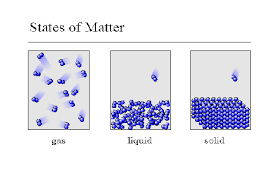
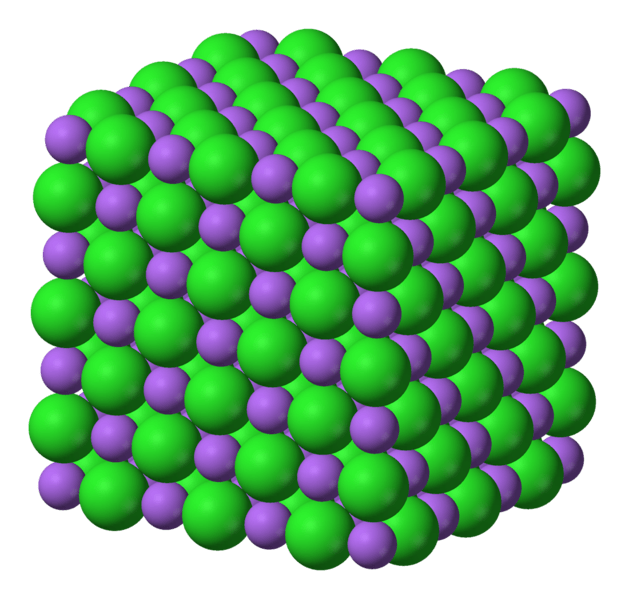
Which state of matter does this picture show?
Solid
Liquid
Gas
As temperature increases, what happens to particles?
They speed up
They slow down
Has a definite mass and volume, but not a definite shape
solid
liquid
gas
ice
Has neither a definite shape or volume
solid
liquid
gas
water
How many states of matter are there?
1
2
3
10
Liquids take the shape of their
container
mass
matter
water
Mass is the amount of ______ an object has.
shape
volume
mass
matter
The three basic properties of matter are ______, ______, and ______.
atoms, shape, water
solids, liquids, gases
solids, water, oxygen
mass, shape, volume
All matter is made up of very tiny particles called
air
atoms
matter
particles

What state of matter is this
solid
liquid
gas

What state of matter is this
solid
liquid
gas

What state of matter is this
solid
liquid
gas

What state of matter is this (inside)
solid
liquid
gas

What state of matter is this
solid
liquid
gas
Which state of matter has particles (atoms) that are very close together
solid
liquid
gas
Which state of matter has particles that are very far apart from each other
solid
liquid
gas

Hitting a moving tennis ball with a tennis racket changes its ________ and ________.
shape; direction
speed; shape
shape; speed
direction; speed

At the start of a football game, a footballer kicks a ball placed in the middle of the field to move the ball.
What is the effect of force on the object?
Change the direction of a moving object
Make a moving object stop
Make a moving object move slower
Make a stationary object move
What is the motion of the object?
which of the following is not an effect of force:
to move a body from rest
to stop a moving body
to change the colour of an object
to change the shape of a body

in the given figure force is
changing the direction of motion
changing the shape
stopping a moving object
none of the above
A force can make a moving body move faster
true
false

What effect will the force done by the red player?
The ball will stop moving.
The ball will permenantly change shape.
The ball will slow down.
The ball will change the direction of its movement

What is the effect of force shown here?
Change in shape
change in speed
change in direction
force can stop an object

How does the force act here?
Change speed and direction
Force stops the ball and changes its shape
Force stops the ball
Change only speed

Which statement is true
Force cannot move an object from its rest
Force does not let the object move from place to another
Force helps the object change its speed
Force does not help us do work

What changes does the ball have?
Change in color
Change in motion
Change in direction
Change in shape

What changes does the picture show?
change in shape and direction
change in motion and direction
change in color and direction
change in motion and position

What changes described the balloon ?
change in motion and color
changes in direction and shape
change in motion and shape
changes in shape and color
Hitting a moving tennis ball with a tennis racket changes its ________ and ________.
shape; direction
speed; shape
shape; speed
direction; speed
At the start of a football game, a footballer kicks a ball placed in the middle of the field to move the ball.
What is the effect of force on the object?
Change the direction of a moving object
Make a moving object stop
Make a moving object move slower
Make a stationary object move
which of the following is not an effect of force:
to move a body from rest
to stop a moving body
to change the colour of an object
to change the shape of a body
in the given figure force is
changing the direction of motion
changing the shape
stopping a moving object
none of the above
A force can make a moving body move faster
true
false
What effect will the force done by the red player?
The ball will stop moving.
The ball will permenantly change shape.
The ball will slow down.
The ball will change the direction of its movement
What is the effect of force shown here?
Change in shape
change in speed
change in direction
force can stop an object
How does the force act here?
Change speed and direction
Force stops the ball and changes its shape
Force stops the ball
Change only speed
Which statement is true
Force cannot move an object from its rest
Force does not let the object move from place to another
Force helps the object change its speed
Force does not help us do work
What changes does the ball have?
Change in color
Change in motion
Change in direction
Change in shape
What changes described the balloon ?
change in motion and color
changes in direction and shape
change in motion and shape
changes in shape and color

This instrument would be used to measure
distance
time
temperature
volume

This instrument would be used to measure
distance
time
temperature
volume

This instrument would be used to measure
distance
time
temperature
volume

This instrument would be used to measure
distance
time
temperature
mass

This instrument would be used to measure
distance
time
temperature
volume

This instrument would be used to measure
distance
time
mass
volume

This instrument would be used to measure
distance
time
temperature
volume

This instrument would be used to measure
distance
mass
temperature
volume
This instrument would be used to measure
distance
time
temperature
volume
This instrument would be used to measure
distance
time
temperature
volume
This instrument would be used to measure
distance
time
temperature
mass
This instrument would be used to measure
distance
time
temperature
volume
This instrument would be used to measure
distance
time
mass
volume
This instrument would be used to measure
distance
time
temperature
volume

This instrument would be used to measure
distance
time
temperature
volume

This instrument would be used to measure
distance
mass
temperature
volume

This instrument would be used to measure
distance
time
temperature
volume

This instrument would be used to measure
distance
mass
temperature
volume

This instrument would be used to measure
distance
mass
temperature
volume

