
Font size
 Worksheets
7th Grade Civics Review #1 - Introduction / Foundations of Govt
Total questions: 44
Worksheet time: 25mins
Locke argued that we had 3 main natural rights. What are they? (Select 3)
Life
Liberty
Pursuit of Happiness
Property
According to John Locke, if the government didn't protect the people's natural rights, what could the people do?
Overthrow the government
Petition the government for their rights
Nothing, the people don't have rights
Which American Founding Father did John Locke influence the most?
Ben Franklin
George Washington
John Adams
Thomas Jefferson
What role did the government have, according to John Locke?
Protect the people's natural rights
Take away people's natural rights
Help determine the people's natural rights
Thomas Jefferson used John Locke's natural rights in which famous U.S. document?
U.S. constitution
Declaration of independence
English Bill of Rights
Magna Carta

Which type of government do the people have the most control?
dictatorship
monarchy
democracy


Who was Thomas Hobbes?
Scholar and Philosopher
US President
A physician
Doesn't he teach science at MVHS?
State of Nature means everyone has the right to everything
True
False
Social Contract is when the people give up all of their rights in order to be protected?
True
False
Did Hobbes agree with the idea of a social contract?
Yes
No
What was the book that Thomas Hobbes wrote?
Why Government
How to lose a guy in 10 days
Leviathan
He did not write one
Sovereign means
ruler
subject
peasent
rich
Locke did not believe in social contracts
True
False
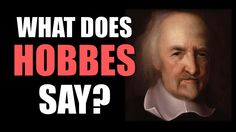

What is the key concept behind the Social Contract?
It is a contract you sign with your cell phone carrier when downloading social media apps.
You surrender every right you have to the government with no benefit for yourself.
You agree to have inappropriate content removed from apps such as Snapchat.
You surrender certain rights in order for the government to provide you with protection and order.
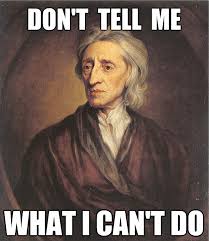

According to both Hobbes and Locke, in a State of Nature...
There are no rules, no one in charge and no way for people to protect themselves.
Everyone would get along and be peaceful.
We'd all still live in the Garden of Eden rocking those wicked fig leafs.
Santa Claus is king and we're all just elves in his workshop!

Identify the four roles of government. Read the choices closely.
Jobs and Protection
Protect the Country and Keep Order
Public Order and the Lottery
Help Citizens and Make Laws


Definition: System of government in which power rests with the people.
Consent of the Governed
Federalism
Representative Government
Democracy

A written plan of government.
The Declaration of Independence
The English Bill of Right
The Constitution
280 Characters
Led by a king or queen.
Monarchy
Oligarchy
A small group rules the country.
Oligarchy
Democracy
Citizens often have no rights.
Democracy
Dictatorship
Nobody is in charge.
Monarchy
Anarchy
In a _______________ system there are separate elections for the legislature and the executive.
Presidential
Parliamentary
Can exist with other forms of government.
Dictatorship
Theocracy
One person is in charge.
Autocracy
Democracy
Government where the people have a voice in what happens.
Democracy
Monarchy
Democracy where citizens elect others to serve in government.
Direct
Representative
In a ____________ system there are no separate elections for the legislature and the executive.
Presidential
Parliamentary
1) The Executive is made up of Prime Minister or premier and an official cabinet.
2) The Prime Minister is member of the legislative branch.
3) The Prime Minister is a member of the majority party of Parliament.
Presidential System
Parliamentary System
Example: United States; citizens vote for representatives on local, state and national levels who make laws.
Monarchy
Anarchy
Theocracy
Representative Democracy

Example: Ancient Greece; citizens gathered to make decisions for their city-states and voted directly on issues.
Monarchy
Republic
Totalitarian
Direct Democracy


