
NEW
Font size
 Worksheets
Scientific Method & Properties of LIfe
Total questions: 34
Worksheet time: 24mins
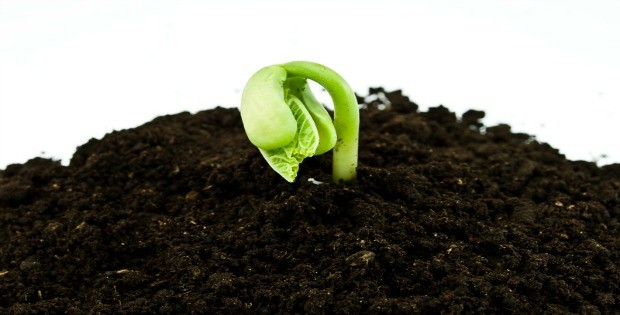
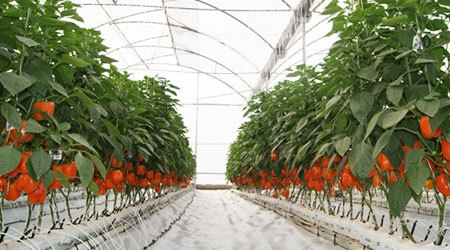
Bob read about growing plants in water. He wanted to know how plants could grow without soil.
coming up with a question
test the hypothesis with an experiment
form a hypothesis
draw conclusions
The information you collect while doing your experiment is called
conclusions
data
hypotheses
procedures
How many independent variables should you have in an experiment?
two
as many as possible
four
one
What is an independent variable?
What a scientist changes in an experiment to test their hypothesis
What scientist measure to see if it responded to a change
What happens when you do an experiment
What you keep the same throughout all experimental groups
What is an dependent variable?
What a scientist changes in an experiment to test their hypothesis
What scientist measure to see if it responded to a change
What happens when you do an experiment
What you keep the same throughout all experimental groups

At what temperature did bread mold the slowest?
20
40
60
80
A(n) ___________________________ is what you can learn about an object by using your 5 senses.
Qualitative Observation
Quantitative Observation
Inference
Hypothesis
Something that you keep the same in an experiment is called a(n) _________________________.
variable
control
procedure
conclusion
I want to know if low strength bleach, medium strength bleach, or maximum strength bleach will get Heinz ketchup stains out of white T-shirts the best. What is the variable in this experiment?
the type of stain
the strength of the bleach
the color of shirt
the brand of ketchup
The plastic bottle holds two liters of soda. Is this a Qualitative Observation, Quantitative Observation, or an Inference
Qualitative Observation
Quantitative Observation
Inference
If I floss more, then I will have fewer cavities. What is the independent variable?
Number of cavities
Amount of flossing
Type of floss used
Amount of brushing
If I put on a higher factor sunscreen, then I will burn less. What is the dependent variable?
Severity of sunburn
Factor of sunscreen
Time spent in the sun
Weather conditions
For a graph, we need
A title
Axis labelled with units
Independent variable on x-axis, dependent on y-axis
All of the above
You want to know which brand of microwave popcorn pops the best.
What is the dependent variable?
brand of popcorn
the amount of kernels popped
Biology is the _____.
study of abiotic factors
study of life
study of chemicals and their properties
study of the physical properties of the world
Any living thing ...
is an abiotic factor.
meets 7 of the characteristics of life.
contains DNA.
moves.
After eating, the pancreas releases a hormone called insulin to help the cells take in the sugar from the food to keep the blood stream at the appropriate sugar level. This is an example of ...
all living things containing DNA.
all living things maintaining homeostasis.
all living things evolving.
all living things reproducing.
Heliotropism is the seasonal motion of plant parts (flowers or leaves) to face their direction of the Sun. This is an example of ...
all living things being made of cells.
all living things maintaining homeostasis.
all living things growing and developing.
all living things responding to stimuli.
The building up or breaking down of materials is called ____.
homeostasis
metabolism
multicellular
stimulus
True or False: Living things must be multicellular.
True
False
True or False: To be living, you must contain all 8 characteristics of life.
True
False

