wayground logo

Free Printable Worksheets

Font size

S
M
L
XL
Worksheets

1.1.3 Tissues Review

Total questions: 30

Worksheet time: 22mins

Name
Class
Date
1.

True or False: Adipose is not a connective tissue

a)

True

b)

False

2.
Which of the following is not one of the four basic types of tissue?
a)
epithelial
b)
connective
c)
muscle
d)
avascular
3.
What type of Connective tissue is found at the ends of bones to reduce friction?
a)
Cartilage
b)
Dense connective tissue
c)
Adipose Tissue
d)
Loose connective tissue
4.

This tissue type covers and protects surfaces, both outside and inside the body.

a)

NERVOUS

b)

CONNECTIVE

c)

EPITHELIAL

d)

MUSCULAR

5.

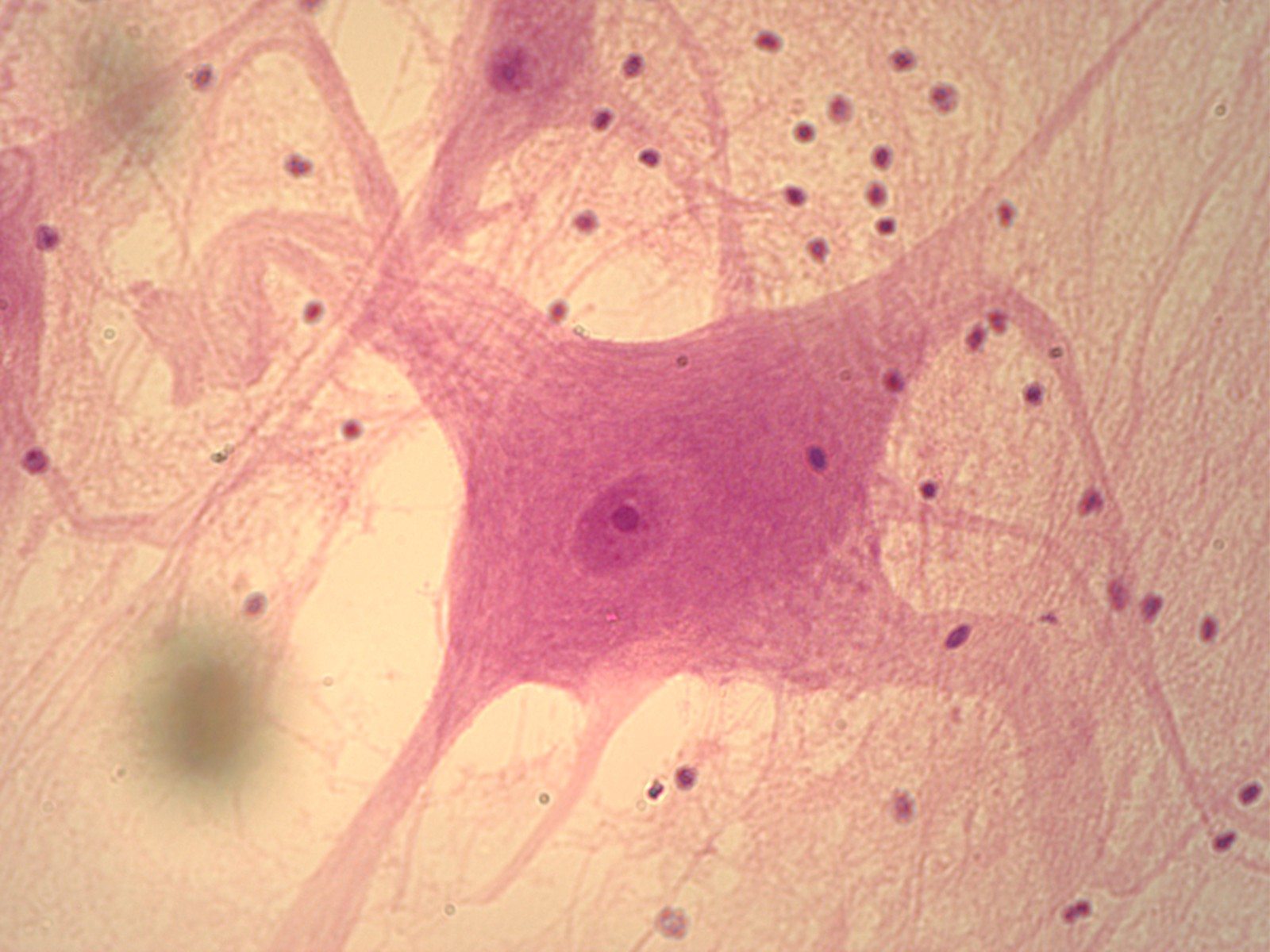
This type of tissue is located in the brain and spinal column

a)

smooth muscle

b)

skeletal muscle

c)

cardiac muscle

d)

nervous

6.
What tissue is this
a)
Bone
b)
Cartilage
c)
Blood
d)
Adipose
7.

Squamous, cuboidal, and columnar are all types of of which tissue?

a)

epithelial

b)

connective

c)

muscle

d)

nerve

8.
This type of tissue includes ligaments, tendons, and cartilage
a)
epithelial
b)
connective
c)
muscular
d)
nervous
9.
Nervous tissue
a)
Tissue that is responsible for lining and covering 
b)
Tissue responsible for protecting, supporting, and binding together other body tissues
c)
Tissues that contracts and shortens to produce movement
d)
Tissue that receives and conducts electrochemical impulses from one part of the body to another
10.

The name of the blue bone under the eye

a)

parietal bone

b)

zygomatic bone

c)

sphenoid bone

d)

mandible

11.

The name of the pink bone on the side of the head

a)

zygomatic bone

b)

occipital bone

c)

maxilla

d)

temporal bone

12.

The orange bone on the front of the skull

a)

parietal bone

b)

frontal bone

c)

nasal bone

d)

lacrimal bone

13.

The pink bone on the top of the skull

a)

parietal bone

b)

occipital bone

c)

frontal bone

d)

lacrimal bone

14.

The orange bone on the back of the skull

a)

lacrimal bone

b)

sphenoid bone

c)

occipital bone

d)

temporal bone

15.

The gray bone that makes up the bottom part of the jaw

a)

mandible

b)

maxilla

c)

lacrimal bone

d)

temporal bone

16.

The orange bone on the front of the face

a)

maxilla

b)

mandible

c)

occipital bone

d)

nasal bone

17.

What is the location of the orbicularis oculi?

a)
tissue around lips
b)
tissue around eyes
c)
tissue around the nose
d)
occipital bone
18.
The masseter is a chewing muscle. What is the other chewing muscle?
a)
frontalis
b)
buccinator
c)
sternocleidomastoid
d)
temporalis
19.

Which muscle is labeled E

a)

frontalis

b)

orbicularis oculi

c)

orbicularis oris

d)

zygomaticus

20.
a)
nerve
b)
elastic cartilage
c)
fibrocartilage
d)
cardiac muscle
21.
Define tissue with regards to anatomy
a)
A group of structurally and functionally related cells that come together to perform common functions
b)
Multiple sheets of thin paper used to clean your nose
c)
A series of different cells in the same area
d)
The smallest structural and functional unit of an organism
22.
What tissue type is this?
a)
Nervous tissue
b)
Cardiac muscle
c)
Smooth muscle
d)
Connective tissue proper
23.
What tissue type is this?
a)
Skeletal muscle
b)
Nervous tissue
c)
Adipose tissue
d)
'Specialised' connective tissue
24.
Cells make up.....
a)
Tissues
b)
Organs
c)
Organ systems
d)
more cells
25.
a)

Elastic cartilage

b)

Dense regular connective tissue

c)

Elastic connective tissue

d)

Fibrocartilage

26.
Identify:
a)
Smooth Muscle
b)
Columnar
c)
Transitional
d)
Pseudostratified
27.
Where is epithelial tissue found?
a)
glands
b)
covering body surfaces
c)
lines organs
d)
all of the above
28.

Which of the following tissues binds everything together?

a)

Connective

b)

Muscle

c)

Epithelial

d)

Nervous

29.

A histologist

a)

Removes tissue from a patient to send it for biopsy

b)

Treats tissues that are damaged

c)

Decides what tissues should be examined based chief complaint

d)

Studies tissues to determine if there are changes or damages that may indicate medical conditions


30.
Name this tissue
a)
Bone
b)
Cartilage
c)
Blood
d)
Adipose