
NEW
Font size
 Worksheets
Grade 12 - Health Science Diagnostic Test
Total questions: 40
Worksheet time: 25mins
The cause of the disease
Etiology
Prognosis
Diagnosis
Syndrome
Substances made by white blood cells to help fight pathogens are ___________.
Antibodies
Antibiotics
Red blood cells
Mucus
What is a long term effect of excessive alcohol use?
Blurred vision
Liver damage
Lost of taste
Pale skin
All of the following are non-communicable disease except ________.
Heart attacks
Diabetes
Hypertension
Measles
Washing your hands
Eating a balanced diet and participating in physical activity
Learn stress management techniques
This term is used when a disease affects a large proportion of the people over a large area.
Epidemic
Pandemic
Disease
Pathogens
Endocrine glands secrete _____.
Hormones
Neurotransmitters
Chemical Substances
Saliva
What is the direct cause of asthma attacks?
Blood clots in the trachea
Swelling and excess mucous in the airways
Excess fluid in the air sacs
Infection of the lungs
What hormone is released when blood glucose levels rise above normal?
Insulin
Glucagon
Glycogen
Leptin
The cell that able to receive recombinant DNA for cloning purpose known as -------
Vector
Target DNA
Plasmid
Host cell
Kidney disease is :
Which of the following is a type of Specialty Hospital?
Emergency Department
Autistic people may have differences in:
Communication
Executive functions
Sensory perception
All the above
The contract which details your insurance coverage is called:
Premium
Deductible
Co-Pay
Policy
Goal setting
Refusal skills
Self esteem
Good decisions
Which of the following describes Professionalism?
Style of speaking or behaving
Dressing appropriately
Specific style of behavior in the workplace
Working effectively with others
A kind of medicine that can be sold and bought in an ordinary store without an order from a doctor
Over the counter medicine
Prescribed medicine
Natural herbals
Oral medication only
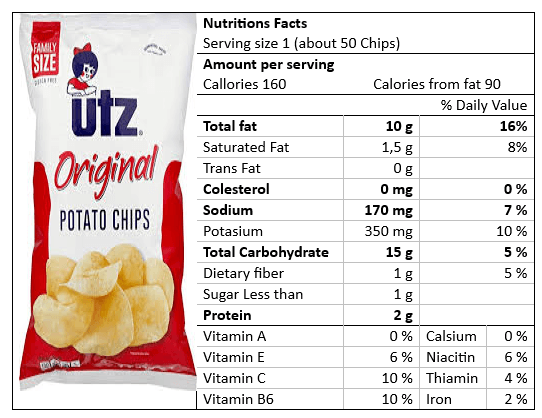
How much potassium does the product contain ?
350 miligrams
350 grams
170 miligrams
170 grams
A test or treatment that requires incisions to the skin:
Non-invasive procedures
Integrity
Incompetence
Invasive procedures
What would be the MOST concerning finding in an allergic reaction?
Elevated blood pressure
Change in mental status
Airway swelling
Increased Heart Rate
What should you tell the 911 operator when he asks, "How bad are the burns?"
"They are fourth-degree burns."
To give chest compressions to an adult, your hands should be placed
In the middle of the chest along the breastbone
Just above the collarbone
On either side of the rib cage
On the lower tip of the breastbone
Care for a person who is unresponsive and has a blocked airway includes:
Giving chest compressions
Looking for an object between compressions and breaths
Pressing on the person's abdomen about 5 inches deep
Both A and B

How would you FIRST stop bleeding?
Heimlich maneuver
Direct pressure
Tourniquet
Ice
Which of the following statement is true about evacuation procedures?
Evacuation drills are not compulsory
Escape route map arrows must be prepared in corridors and exits
Escape route map must be prepared in School Science Laboratory
Escape route map must be prepared in School Administration department
Which of the following is the normal range for pulse?
60-100
80-100
12-20
60-80
Normal respirations are .....
12-20 per minute
10-25 per minute
11-22 per minute
5-30 per minute

When does body temperature tend to be lowest?
Late afternoon
Late evening
Morning
Around noon

What is the name of the circled area of the ECG in the diagram?
P Wave
QRS Complex
T Wave
Cardiac Cycle
To protect your back, always avoid...
Twisting and bending at the same time
Pivoting and bending at the same time
Lifting light objects
Consistent excersice
What is a Motor vehicle accident?
When a worker hits an object that is not moving.
The unintended collision of one motor vehicle with another, a stationary object, or person, resulting in injuries, death and or loss of property.
Any case in which a person works or exerts themselves beyond their physical capabilities
An accident in which a worker is hit and injured by an object, tool or equipment
Which of the following tests is used to determine the percentage of red blood cells within a volume of blood?
Packed cell volume (PCV)
Complete blood count (CBC)
White blood cell test
Platelet test
What is teamwork?
How you work with others in a group.
Working in a team.
The combined action of a group of people, especially when effective and efficient.
A decently done project created with others.
What do you learn from teamwork?
Fosters creativity and learning, builds trust, and encourages healthy risk taking.
You can get to know different people.
You can see how others learn and apply skills.
Someone who is a "good kid" will do all the work.
Which form of pathogen is used in vaccination ?
Activated and strong pathogenic antigens
Inactivated and weakened pathogenic antigens
Hyperactive and strong pathogen
Preformed antibodies
What are some examples of common food allergies?
Fruits, vegetables, dairy, grains, meat
Fish, wheat, eggs, soy peanuts, nuts, milk, fish
Watermelon and pineapple
Broccoli and cabbage
Which action is most commonly associated with the immune system?
Removing wastes from your digestive system
Removing carbon dioxide from your bloodstream
Turning your skin red when you've been exposed to too much sunlight
Raising your body's temperature when you've been infected by a virus
Which of the following tests is used to check increase or decrease in blood cell counts?
Packed cell volume (PCV)
Complete blood count (CBC)
White blood cell test
Platelet test
Proteins that are elevated by the presence of one or more types of cancer?
Red blood cells
Tumor Markers
Neocleotides
Metabolites

