
 Worksheets
our environment
Total questions: 30
Worksheet time: 18mins
Which is a nonrenewable resource?
air
soil
trees
crops
fossil fuels
Which is a renewable resource?
Fossil fuels
minerals
coal
fresh water
natural gas
Which term refers to the number and variety of species that live in an area?
Biodiversity
Ecosystem
Environment
Natural resources
Which can be broken down by natural processes?
lead
mercury
biodegradable pollutants
nonbiodegradable pollutants
When is World Environment Day is celebrated?
5 February
5 August
5 June
5 may
Which of the following is a primary consumer in a grassland ecosystem?
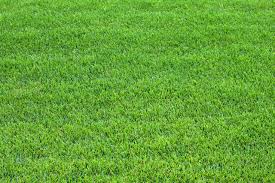
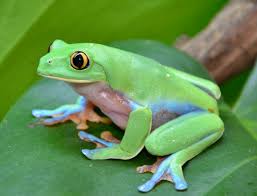
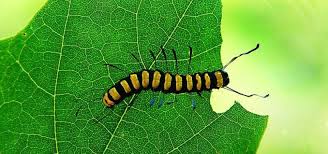
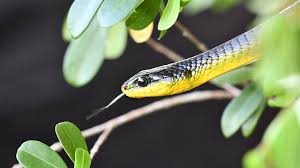
What percentage of energy is passed on to next tropic level?
10%
50%
90%
100%

What is this called?
Food Web
Food Chain
Abiotic Factors
Biotic factors

Which organism recieves the least amount of energy from the producer?
Owl
Grasshopper
Lilypad
Mouse
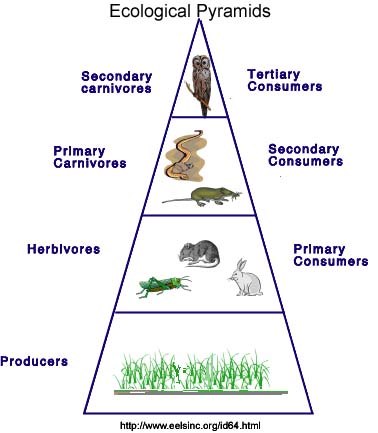
The phenomenon by which toxins concentrate in the organisms at higher trophic levels within an ecosystem is known as...
Biotoxicity
Biomagnification
Eutrophication
Predation
Consider the following food chain:
Algae > Mayfly > Minnow > Trout
In a polluted ecosystem, which organism is likely to have the HIGHEST level of toxic chemicals in its body?
Algae
Mayfly
Minnow
Trout
What does the Ozone in the atmosphere do?
causes the greenhouse effect
causes acid rain
protects the Earth from harmful infrared (IR) rays
protects the Earth from harmful ultraviolet (UV) rays
What damage can UV rays cause?
can cause sunburn.
can cause some types of skin cancer.
cataracts.
all of the above
What is causing damage to the Ozone layer?
Methane
Carbon dioxide
CFCs
All of the above
Identify the non- biodegradable substance from the following.
Paper
Tin cans
Vegetable peels
Wood
An artificial ecosystem is
Pond
Forest
Desert
Crop field
Each step of a food chain is called as
Trophic level
Food web
Eutrophication
Biological magnification
Which of the following constitute a food chain?
Grass, tiger and ant
Tiger, goat and human
Goat, human and grass
Human, fish and crab
Calculate the amount of energy available to snake in the given food chain if there is 6500 J of energy available to grass hopper.
Grass ----> grass hopper ---> frog -----> snake
6500 J
650 J
65 J
6.5 J
Why do we need to manage the garbage we produce
i)To improve the health and quality of life
ii)For preventing environmental pollution
iii) To produce more biodegradable plastics
iv) To reduce the strain on natural resources
i and iv
iii and ii
i, ii and iii
i,ii and iv
Non biodegradable waste materials can be treated by composting technique.
true
False
Every food chain in the ecosystem begins with____which are the original source of food.
Saprophytes
Producers
Parasytes
Consumers
Which of the following are trophic levels? Choose 2 options:
Primary Consumers
Sunlight
Top Carnivores
Producers
Which among the following statements is incorrect in view of the plants?
They convert the solar energy into mechanical energy.
They prepare their food from organic compounds.
They are also called producers.
They are the initial source of energy in a food chain
All the interacting organisms in an area together with the non-living constituents of the environment form a/an __________.
ecosystem
nature
forest
city
As human beings occupy the top level in any food chain, the maximum concentration of these chemicals get accumulated in our bodies. This phenomenon is known as
Biological magnification
Biological accumulation
Chemical magnification
Chemical accumulation

What will happen if deer is missing in the food chain given above? Choose 2 correct options:
The population of tiger decreases
population of grass increases
The population of tiger increases
The population of grass decreases
Human-made materials like ____ will not be broken down by the action of bacteria or other saprophytes.
Vitamins
Fats
Carbohydrates
Plastics


