
 Worksheets
How is Earth's Surface Built Up?
Total questions: 21
Worksheet time: 20mins
Much of the Florida landscape is built upon limestone. Frequent rains seep down and erode the limestone as the rainwater travels to underground caverns or aquifers. Which of the following landforms could be created as a result of this process?
A delta would form as the limestone sediment is carried by aquifers.
A swamp would be created as the rain water combines with the water in the aquifer.
Sinkholes would form as a result of the collapse of the surface layer in an underground cavern.
Stalagmites would be created as the water dripped down from the cavern ceiling and formed a mound.

This sandbar occurred as a result of running water, wind, and waves. Waves picked up the sand from the beach and deposited it in the water. How is the formation of a sandbar different from the changes to a beach caused by wind erosion?
Sandbars develop only in fresh water and erosion happens near salt water.
Sandbars make beaches safer and erosion makes beaches more dangerous.
Sandbars are built up surfaces and erosion removes the surface of the beach.
Sandbars cause organisms to lose their habitats and erosion creates new habitats.
A marine biologist notices an abundance of fish and other wildlife in an area where the end of a river meets a bay. The area is rich in sediment and nutrients, which the river has carried along and deposited at its end. What is this area of deposition called?
a sinkhole lake
an alluvial fan
a barrier island
a delta
What happens to a rock when it is weathered?
It is broken into smaller pieces or dissolved.
It is moved by air, wind, or smaller.
It changes in to a new substance
It is changed in to a tree.
are dropped in a new place

The Grand Canyon was created by...
water erosion.
Bob the Builder.
a volcano.
The Mid Atlantic Ridge
time
earth’s surface
earth’s surface

Which of these examples is deposition?
wind blowing sand
sand that was dropped on the beach by waves
pebbles falling downhill due to gravity
a tree root breaking a rock

Weathering, erosion, and deposition impact Earth's geographic features.
true
false

Waves dropping sand onto land until a beach is formed is an example of...
physical weathering
erosion
deposition
chemical weathering
what is volcano?
they are the point where the disturbance originates in the interior of the earth.
they are the opening {vent} in the earth's crust through which molten rock and gases erupt from deep inside the earth.
they are vibrations that move through the earth and over its surface.
they are the folding of the mountains.

molten rock that has erupted onto Earth’s surface
magma
lava
metamorphic rock
sedimentary rock
molten rock below Earth’s surface
lava
intrusive igneous rock
magma
extrusive igneous rock
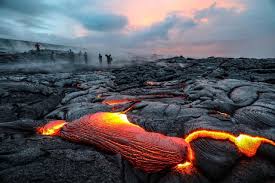
Before lava reaches the surface, the molten material is called ____.
rock
magma
volcanic ash
liquid fire
Molten material that leaves a volcano's vent is called ___________.
gas
magma
lava
liquid fire
After sediment has been carried down a stream, the stream eventually loses energy and ___________ the sediment in a new location.
waves goodbye to
drinks
doesn't care about
deposits

unsorted rock material deposited directly by ice as it melts
glacial drift
stratified drift
till
glacier
Which mountain range is in Asia?
Rocky Mountains
Himalayas
Alps
Andes

