
 Worksheets
6.1 Q Organization of the Periodic Table
Total questions: 35
Worksheet time: 30mins


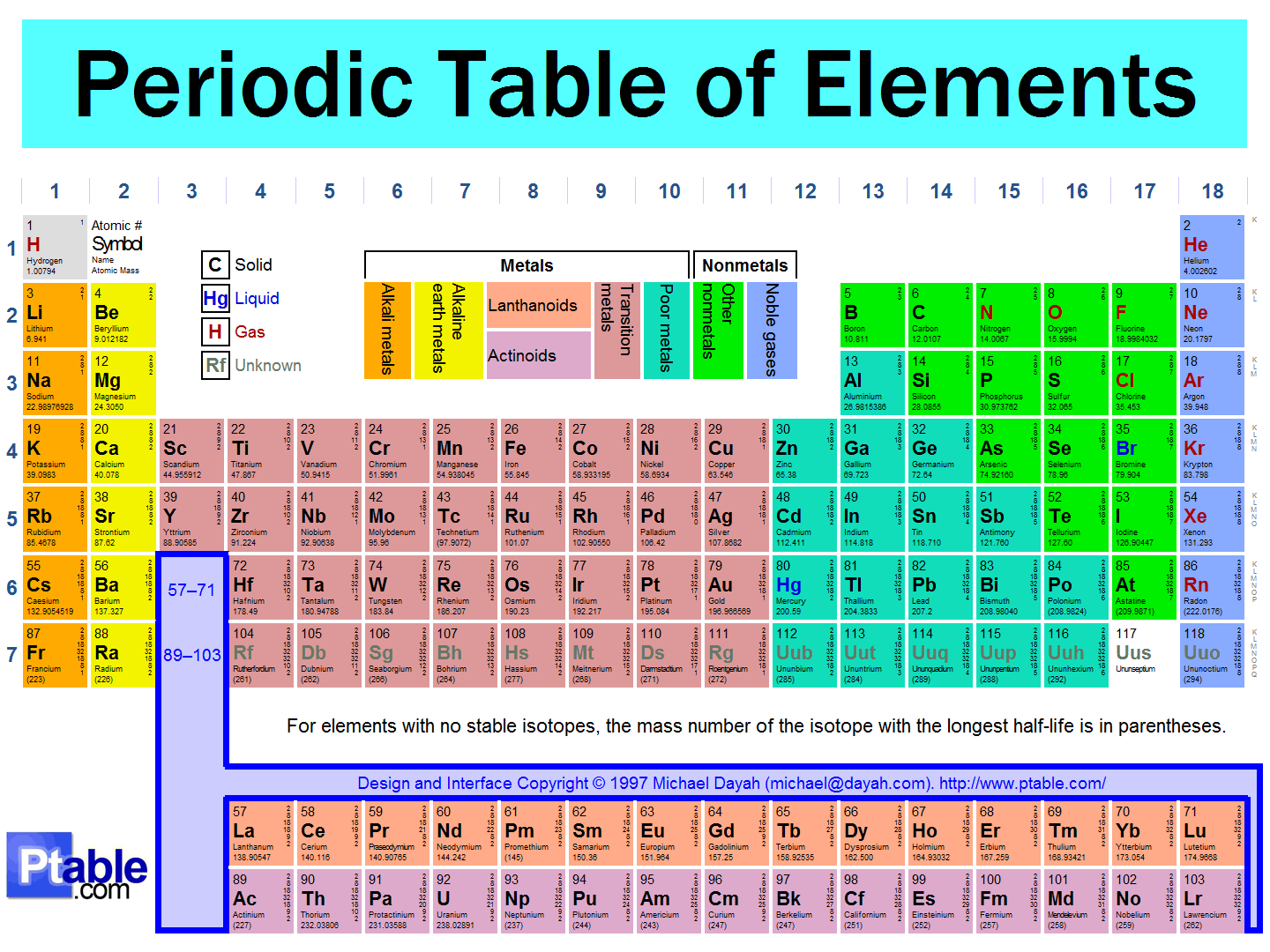
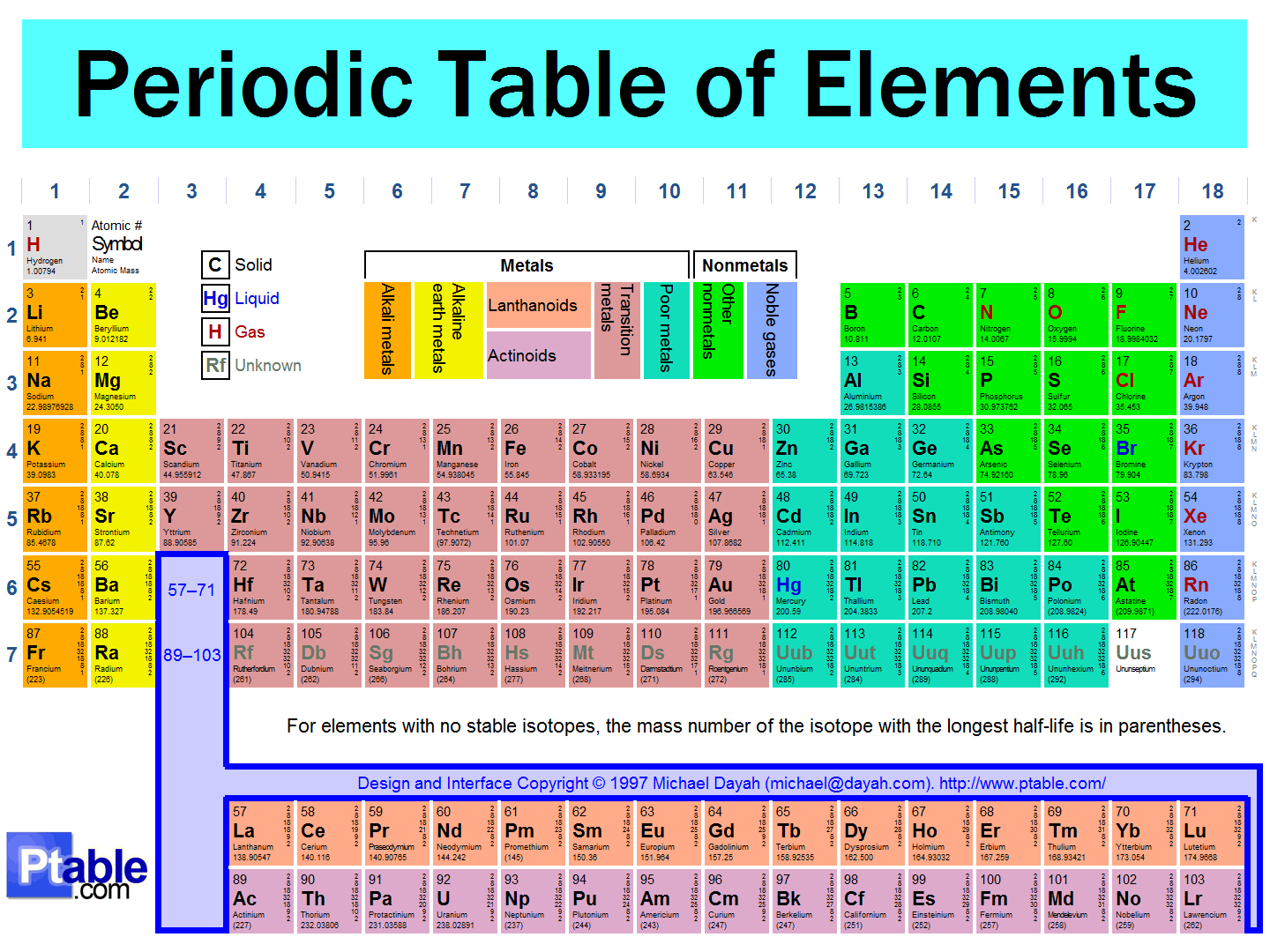

______________ refers to the way a metal can be hammered or rolled into thin sheets.
Luster
Malleable
Metalloids
Solid
Metals are found on the ______________ side of the periodic table.
nonmetals
left
right
metals
This group of elements have properties that are opposite those of metals. ______________________
luster
nonmetals
metalloids
metals
Copper is a common metal. Which of the following properties does this metal most likely have?
High conductivity, high malleability, and low luster
Low conductivity, low malleability, and low luster
High conductivity, high malleability, and high luster
Low conductivity, high malleability, and high luster
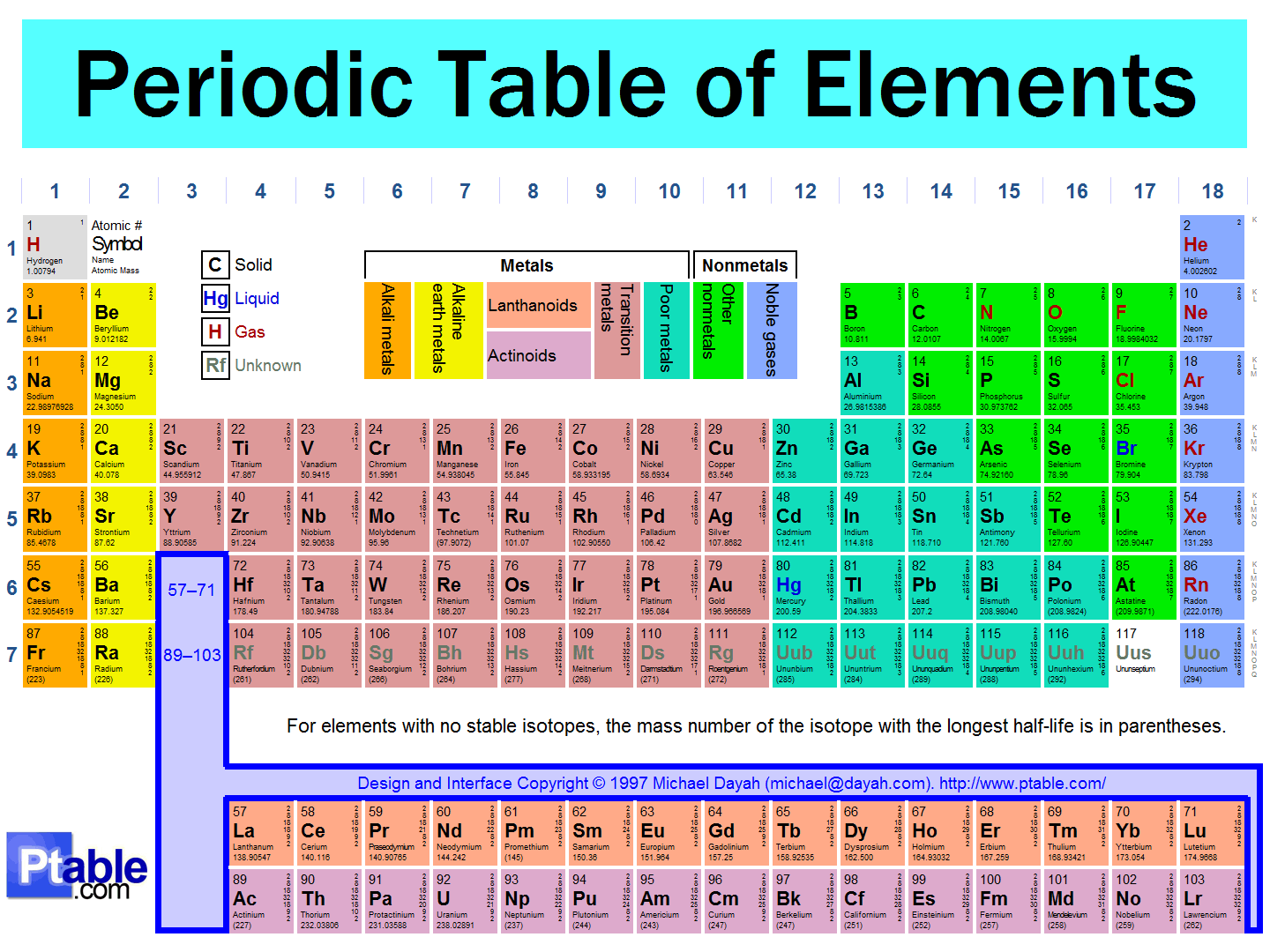
The vertical (up and down) columns in the Periodic Table are called
groups
towers
periods
atomic numbers
Which of the following are physical properties of metal?
Luster
Conductivity
Malleability
Ductility
Name this group: These metals are the most reactive.


Name this group: These metals are the second most reactive.


Name this group: These metals contain familiar metals such as gold, iron, and copper.


Find these groups: Locate Lanthanides and Actinides.


Which of the following could be properties of nonmetals?
Poor electrical conductivity
Poor thermal conductivity
Dullness
Brittleness
I am a metal
I am in group 2
I am in period 6
I am…
Mo
Re
S
Ba
I am a nonmetal
I am in period 2
I am in group 16/6A
Ba
Si
Ba
O
Find an element with similar chemical properties to Barium (Ba).
Ca an Ra, because they are in the same group and have similar chemical properties.
Cs and La, b/c they are in the same period number.
Ca and Y, b/c they are 90 degree angle and have similiar properties.
What is the name of group number 1?
halogens
noble gases
alkali metals
alkaline earth metals
A row on the Periodic Table of Elements
family
period
row
isotope

Which element is found in group 2, period 6?
Oxygen (O)
Barium (Ba)
Selenium (Se)
Carbon (C)
Which halogen is found in period 4?
Krypton (Kr)
Xenon (Xe)
Bromine (Br)
Iodine (I)
a unique number for each element that equals the number of protons in an atom of that element
element name
element symbol
atomic number
atomic mass
Name this group: These elements, also known as inert gases, tend to be nonreactive.
Halogen family
Noble gases
Carbon family
Nitrogen family

