
Font size
 Worksheets
MM - Respiratory
Total questions: 50
Worksheet time: 27mins
What 2 gases are processed by the respiratory system?
Carbon Dioxide
Nitrogen
Oxygen
Hydrogen
Which combining form references the bronchus?
Bronchiol/o
Bunch/i
Bronch/i
Bronchi/o
WHat combining form means blue?
Cyan/o
Blu/e
Cian/o
Chin/o
which of the following means "to air"?
ventilate/o
ventilat/o
-pnea
-pnear
If the prefix "dys-" means difficulty, which of the following word means difficulty breathing?
Dysbreathing
Dysrrhea
Dyspnea
Dysectomy
What is the purpose of the nasal conchae?
Catch debris that enters our nose
increase the surface area in our nose to help warm the air
Guard against someone getting things stuck in their nose
help keep the nose open for air to flow through
If I needed to find the small air sacs in the lungs, what would I be looking for?
Bronchioles
Bronchi
Lobes
Alveoli
WHat part of the lung is 1 mm in diameter?
Lobes
Alveoli
Bronchi
Bronchioles
What is the purpose of our epiglottis?
Closes of the esophagus when we breath
Covers the larynx when eating and drinking
Cover the nasal passage when speaking
Covers the oral cavity when breathing through our nose.
Where do the bronchi, blood vessels, lymphatic vessels and nerves enter the lungs?
Hilum
Lahyme
Concave
Lobe

What letter points to the lung?
A
B
C
D
What letter points to the trachea?
C
B
E
D
What letter points to the Alveoli?
C
D
E
F
What letter points to the nose?
A
B
C
D
What letter points to the Pharynx?
F
B
C
D
What letter points to the Bronchi?
C
D
E
F
What are the functions of the respiratory system?
Move oxygen from the outside environment into the body. Removing carbon dioxide and water from the body.
Carries needed substances to cells. Carries waste away from cells.
Breaks down food into molecules that the body can use. Eliminate waste from the body.
Helps the body move. Helps with posture and flexibility.
What is the function of the nose?
It is where signals are sent to the brain.
It is where digestion begins.
It is where air enters the body.
It is where wastes are removed from the body.
What is the function of the lungs?
It is organs where gas exchange takes place.
It is the organs where blood is filtered.
It is the organs where blood is pumped around the body.
It is the organ where food is broken down into molecules that the body can use.
What is the function of the pharynx?
It is the place that air travels to after the nose.
It is the place that air travels to after the trachea.
It is the place that air travels to after the bronchi.
It is the place that air travels to after the alveoli.
What is the function of the trachea?
It is the tube that air travels down after the bronchi. Another name is the throat.
It is the tube that air travels down after the pharynx. Another name is the windpipe.
It is the tube that air travels down after the nose. Another name is the windpipe.
It is the tube that air travels down after the pharynx. Another name is the throat.
What is the function of the bronchi?
They are the sacs in the trachea where gas exchange takes place.
They are the branches that lead after the pharynx into the trachea.
They are the sacs in the lungs where gas exchange takes place.
They are the branches that lead after the trachea into the lungs.
What is the function of the alveoli?
They are the sacs in the trachea where gas exchange takes place.
They are the branches that lead after the pharynx into the trachea.
They are the sacs in the lungs where gas exchange takes place.
They are the branches that lead after the trachea into the lungs.
What do cili and mucus do in the breathing passages?
They line the breathing passages so they can trap things that don't belong in the body.
They help gas exchange to occur in the lungs.
They help break down food into molecules the body can use.
They help carry needed substances to the cells in the body.
What is the pathway that air follows throughout the body?
Nose-> Trachea -> Bronchi -> Pharynx -> Lungs -> Alveoli
Nose -> Bronchi -> Pharynx -> Trachea -> Lungs -> Alveoli
Nose -> Pharynx -> Trachea -> Alveoli -> Branchi -> Lungs
Nose -> Pharynx -> Trachea -> Bronchi -> Lungs -> Alveoli
What are the gases that are exchanged in the lungs?
Nitrogen and Oxygen
Water and Oxygen
Oxygen and Carbon Dioxide
Carbon Dioxide and Water
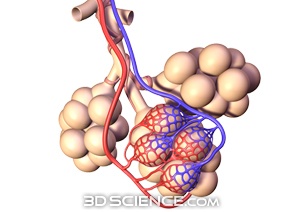
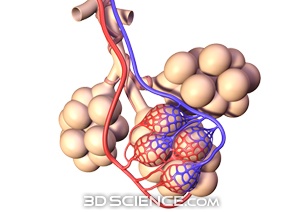
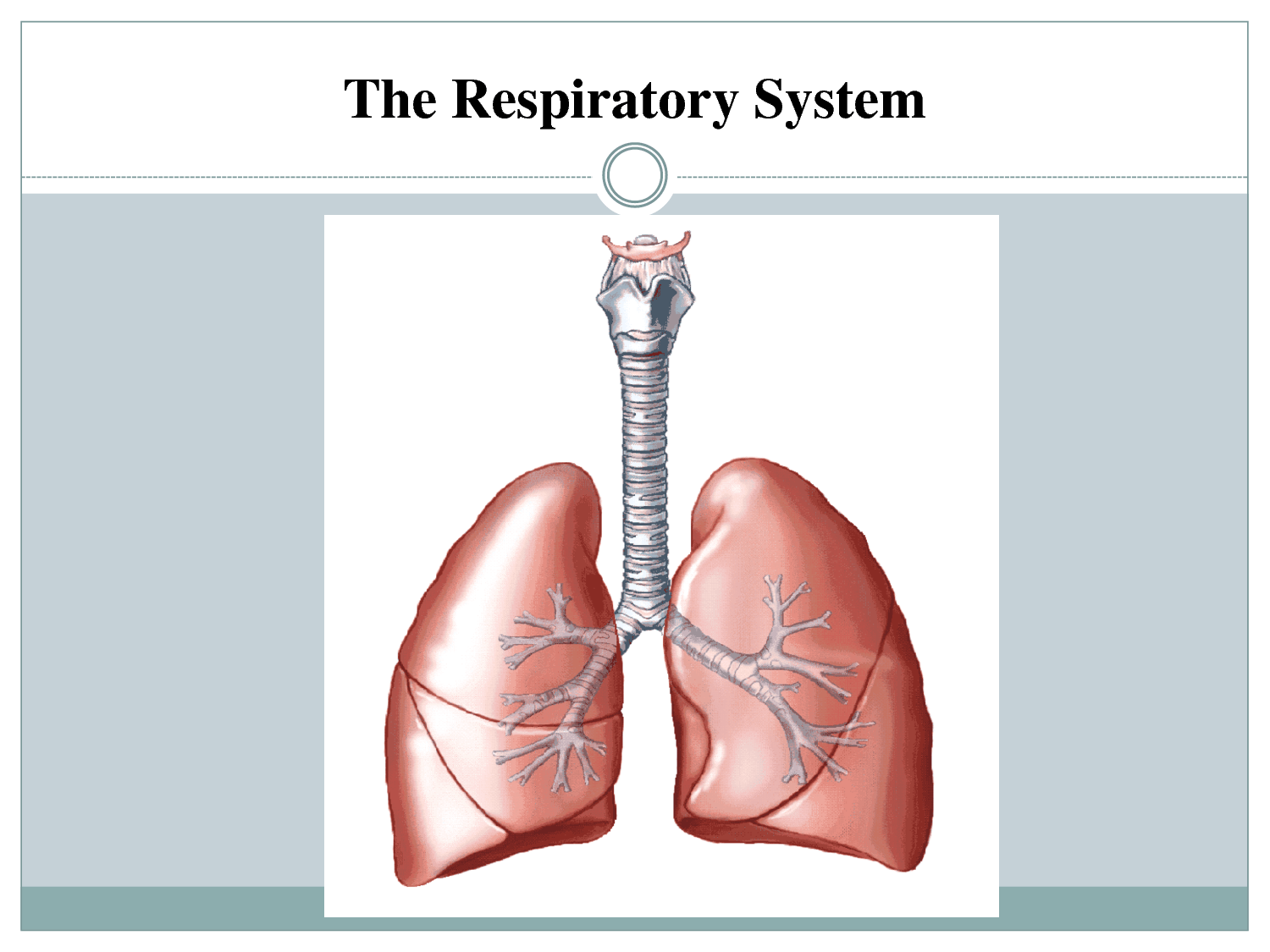
The drawing in of breath; inhalation.
Inspiration
Expiration
Breathing out; exhalation of breath.
Inspiration
Expiration
What is the site of gas exchange?
alveoli
nose
lung
bronchi
A cavity within a bone or other tissue, especially one in the bones of the face or skull connecting with the nasal cavities.
Sinus
Nose
Pharynx
Larynx
The only externally visible part of the respiratory system
Eyes
Nose
Pharynx
Larynx
Which lung has 2 lobes?
Right
Left
Olfactory receptors are located in the mucosa of the nose. What are these receptors used for?
sight
smell
touch
taste
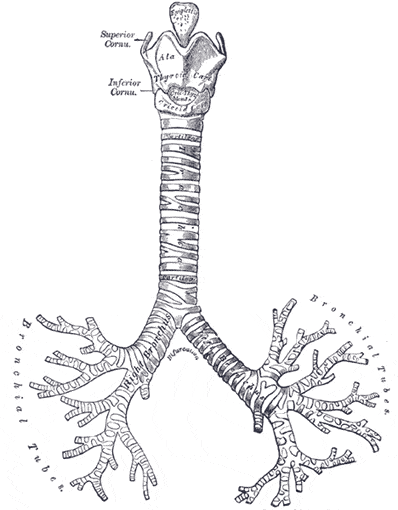

Which of the following happens when you exhale?
chest cavity expands
your lumgs become smaller
your chest cavity becomes smaller
your lungs take in and give off oxygen

Which of the following shows what happens to the chest cavity when air rushes into the lungs?
decrease in volume
deflates
expands
relaxes
The main ORGAN responsible for breathing is:
the Brain
the Lungs
the Liver
the Kidneys
1000 mg equals how many grams?
1 mL
1000 mg
100 g
1 g
Your patient is ordered 1/4 Ensure 6 oz by NG tube q4h for 24 hours. How many mL of Ensure will you need to prepare enough for the entire day?
9 mL Ensure
270 mL Ensure
420 mL Ensure
810 mL Ensure

The black colored lungs are _______ lungs versus the pink, healthy lungs.
pneumonia
bronchitis
asthmatic
smoker

This person has had a:
Hint: Use your medical terminology tricks!
tracheotomy
colostomy
urostomy
nephrostomy
What is the correct path that air takes as it moves from the nose to the lungs?
pharynx – larynx – bronchi – trachea – alveoli
larynx – pharynx – trachea – bronchi – alveoli
pharynx – larynx – trachea – bronchi – alveoli
larynx – pharynx – bronchi – trachea – alveoli

An injury to this could cause you to lose your voice.
(a)

