
Font size
 Worksheets
Lesson 2 Test Review
Total questions: 63
Worksheet time: 32mins
Homo Habilis is also known as
"Upright Man"
"Smart Man"
"Handy Man"
"Neanderthal Man"


Which of the following did all of the hominids have in common?
All of them had were covered in fur.
All of them made and used tools.
All of them were bipeds (walked on two feet)
All of them made cave art.


Prehistoric humans are called _________________.
Paleoanthropologists
Hominins
Homo sapiens
Cavemen
What trait made Homo Erectus well suited for traveling?
A short, stocky body
A ridge above the eyes
Long, strong leg bones
Round, smooth foreheads
What advantage did the invention of the spear thrower give to early modern humans?
Cooking animals for food.
None of these.
Hunting animals from a distance.
Hunting the animals in groups.
Which new capability enabled hominids to survive in the colder climate of Europe?
building fire and shelters
drawing art on cave walls
gathering food from plants
making tools out of bones

What continent did the earliest hominids live?
A. South America
B. Africa
C. Asia
D. Australia
What does an anthropologist do?
They study mathematical equations
They study human development and culture
They study animals
They study the earth's features
What is a hominid?
An insect
A type of word
an early human
An area of land
What is a capability?
a disease of the foot
a hat with large brim
a superpower
being able to do something
What does migrate mean?
To move from one place to another
to become married
a bad headache
to closely read
biped
a bike
a gum with 2 flavors
walks on 2 feet
having 2 hands
What does upright mean?
riding in a hot air balloon
to be correct
to do the right thing
to stand with back straight
What does analyze mean?
to look closely at something
to ask many questions
to get good grades
to be critical of others
What is survival?
being an actor on a stage
to be a wild animal
to live outdoors
To have what is needed to live
What is a timeline?
a sequence of events on a continuous line
a telephone
a machine to travel in
an underground train
What is a land bridge?
a bridge across town
a piece of land connecting 2 continents
a pile of dirt left by archaeologists
a game played with cards
Who made cave paintings, carvings, and musical instruments?
Homo neanderthalensis
Homo habilis
Homo sapiens
Homo erectus
What advantage over previous hominin groups did the invention of the spear thrower give to early modern humans?
to hunt animals in organized groups
to kill animals from a distance
to injure animals with knives
to cook animals for food
At Neanderthal sites, evidence from burial mounds, showing signs that people cared for the sick and injured, has led scientists to believe that Neanderthals had
a sense of community.
a desire to make art.
a complex religion.
creative minds.
Large brains helped Homo neanderthalensis survive, giving them the ability to
run much faster.
plant crops for food.
bend farther forward.
design better tools.
Homo erectus was the first hominin to use
fire.
hands.
stone tools.
fish hooks.
What trait made Homo erectus well suited for traveling?
round, smooth foreheads
long, strong leg bones
ridge above the eyes
short, stocky build
The bones of a number of hominins were found in one location. Using this evidence, scientists concluded that this type of hominin probably
lived in groups.
had language.
died in wars.
made tools.
Homo habilis (Handy Man) is known for being
the cave painter.
the language user.
the toolmaker.
the biped.
Which of these helped Homo habilis survive against animal attacks?
living together in groups
using bows and arrows
burying their dead
buildling shelters
Which statement about Homo habilis (Handy Man) describes a capability that helped their group survive?
They could not walk on two feet.
They lived 50,000 years ago.
They came before Neanderthals.
They knew how to make tools.
How did the Leakeys discover the Homo habilis (Handy Man) hominin group?
They found cave paintings.
They found a complete male skeleton.
They found ancient documents.
They found remains in Africa.
A paleoanthropologist specializes in the study of the
trade and barter systems among modern humans.
communication and social systems of early apes.
development and culture of the earliest hominins.
kings and queens of the earliest modern humans.
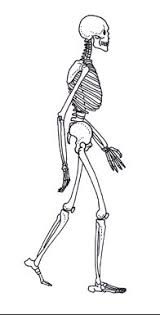
The ability to walk upright on two legs is called:
bipedalism
quadropedalism
bicyclepedalism
tripedalism
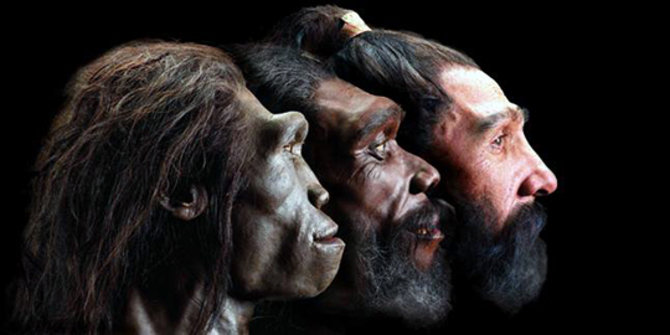
Modern humans and their closest relatives belong to the same family. Members of this family are called:
hominids
primates
homo sapiens
Lucy
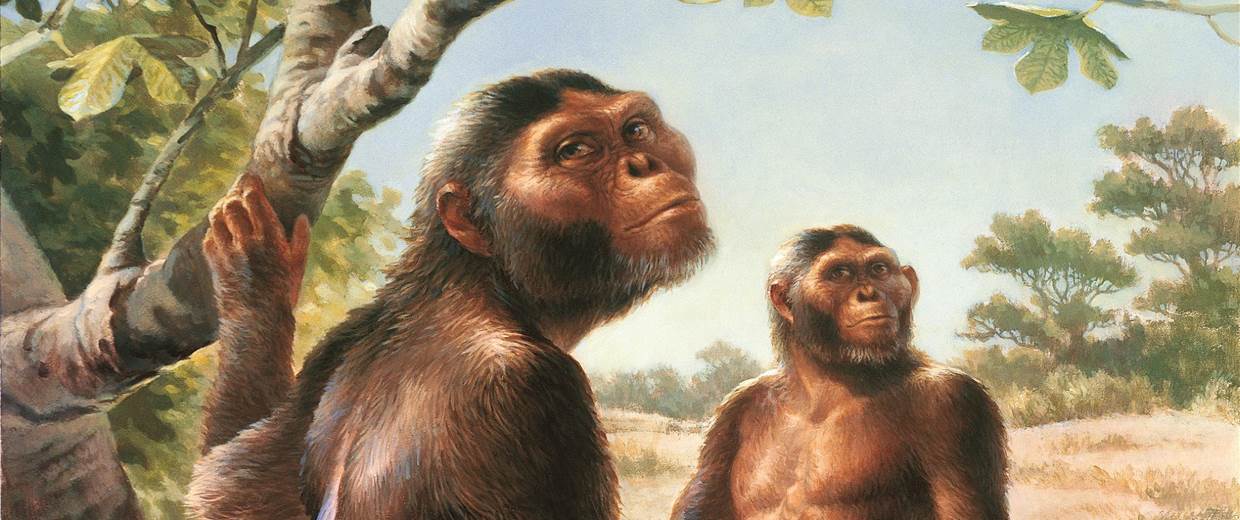
All of these are advantages of bipedalism EXCEPT:
Hands are free to carry food.
Save energy when walking long distances.
Hands are free to use tools.
Easier to balance on two legs.
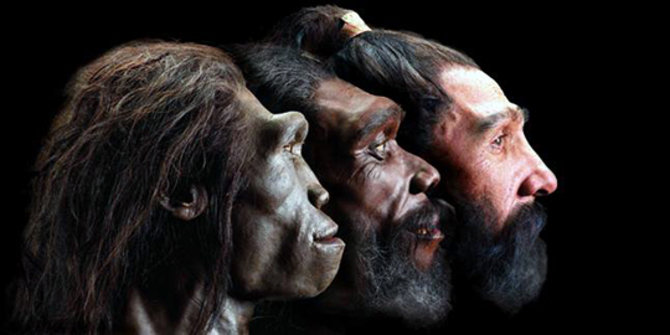
Which hominid species is most closely related to Homo sapiens?
Homo habilis
Australopithecus afarensis
Homo neanderthalensis
Homo heidelbergensis
What continent did humans evolve from?
the Americas
Asia
Africa
many places all at once
Who are the closest living relatives to humans?
chimpanzees
gorillas
lemurs
kangaroos
Which of the following is the correct order of human evolution?
walking upright, using tools, controlling fire, larger brains, language
language, larger brains, controlling fire, using tools, walking upright
larger brains, language, using tools, controlling fire, walking upright
larger brains, walking upright, using tools, controlling fire, language
Related organisms have similar _______.
Genetic Material
Diet
Behavioral Patterns

Why do humans have longer childhoods than apes?
Apes have bodies that grow at a faster rate than humans and so they need less time to become an adult.
Humans are less mature than apes so their brains take longer to develop.
Human bodies are smaller than apes which means they need more time to develop.
Human brains are more complex and take longer to develop than ape brains.
SELECT ALL THAT APPLY: Which of the following must be true in order for organisms to be considered the same species?
They must be able to mate
They must be able to produce viable offspring
They must have structural similaries
They must have the same bone structure


Random Gamete Fertilization
Crossing Over in Meiosis 1

