
Font size
 Worksheets
Causes and Events of the American Revolution
Total questions: 42
Worksheet time: 19mins
Which concern of the colonists led to the American Revolution?
opposition to British tax policies
Fear of attacks by American Indians
Desire for greater religious freedom
Increasing immigration from countries other than Britain
British colonists object to the Proclamation of 1763 because they -
feared it would provoke attacks from American Indains
did not want to share control of the fur trade with France
resent the limits it imposed on westward expansion
wanted to be able to trade freely with foreign nations
Which excerpt from the Declaration of Independence best explains why colonists were unhappy about their lack of representation in the British parliament?
"He has refused to pass other laws for the accommodation of large districts of people."
"For imposing Taxes on us without our consent."
He has refused to Assent to Laws, the most wholesome and necessary for the public good."
"For transporting us beyond Seas to be tried for pretended offences."
Why were the colonists upset about the taxes?
the colonists were not upset; they agreed to the taxes
because the taxes were only for the rich people
because they had no representatives in Parliament
because the taxes came from France
.The 1765 act that taxed all paper and printed goods in the colonies was called the ____________.
Sugar Act
Tea Act
Stamp Act
Quartering Act
What did the colonists call the laws that were passed as a punishment for the Boston Tea Party?
The Boston Massacre
The Intolerable Acts
The Stamp Act
The Quartering Act
Why did England start placing taxes on the colonies?
To pay the cost for new buildings
To show colonists who is in charge
To build roads in the Ohio River Valley
To pay for the cost of the French and Indian War
Which of the following is a action used by colonist to fight British taxes?
boycotting
voting
the colonists did not fight the taxes
walk-outs
What did the Stamp Act put a tax on?
glass, paint, lead, paper, and tea
Tea
Food
newspapers, contracts, pamphlets and court documents—even on playing cards.
The Sons of Liberty were Patriots or Loyalists?
Patriots
Loyalists
What did the Sons of Liberty dump into the Boston Harbor as a form of protest due to taxation without representation?
Tea
Toilet Paper
Stamps
Crackers
The Battle of Saratoga was called the turning point of the war because ___________.
up until this point, the Patriots were winning the war, but the Redcoats won this battle which made the French decide to join the war and help the Redcoats win.
it was the battle when George Washington decided to run for the 1st president.
up until this point, the Redcoats were winning the war, but the Patriots won this battle which made the French decide to join the war and help the Patriots win.
King George decided to withdraw half of his troops since he won this battle so easily.
What was Thomas Jefferson most famous for?
The main author of the Declaration of Independence
Was the treasurer of The United States of America
Was the 1st President of the United States of America
He made a secret agreement with the British to hand over the fort at West Point, New York. Was a Traitor
Which battle kicked off the Revolutionary War?
The French and Indian War
Lexington and Concord, Massachusetts
Battle of Bunker Hill
Battle of Saratoga
When the British surrendered at this battle, the Revolution was almost over.
The Battle of Yorktown
Battle of Trenton
The Battle of Saratoga
The Battle at Bunker Hill
Who was King George the Third ?
Ruler of Great Britain during the American Revolution
Leader of the continental army
The 3rd President of the United States of America
An inventor and Scientist
The British and Colonists signed this document that formally recognized the independence of the 13 colonies
The Declaration of Independence
The Treaty of Versailles
The Emancipation Proclamation
The Treaty of Paris
Why was The Declaration of Independence written?
to tell King George that the colonies wanted to be independent states and not under British rule
to persuade other colonists to fight for their freedom from Great Britain
to tell King George that the colonists would remain under British rule
to tell the British Parliament that they would no longer pay taxes on tea
True or False: The Redcoats (British) won the Battle of Lexington and Concord.
True
False
What was the effect of the Intolerable Acts?
Colonists started boycotts
Colonists threw tea into Boston Harbor
Colonists moved past the Appalachian Mountains
Colonist wrote a letter to the king listing their grievances.
Sugar Act
Stamp Act
Townsend Acts
What was the effect of the events listed above?
Colonists started boycotts
Colonists threw tea into Boston Harbor
Colonists moved past the Appalachian Mountains
Colonist wrote a letter to the king listing their grievances.
What is the significance of "taxation without representation"?
Colonist were angry they could not move west
Colonist were angry they did not have a voice in Parliament
Colonist were angry they lost the French and Indian War
Colonist were angry they did not have a voice in the House of Burgesses
Which of the following was an Intolerable Act?
Preventing the Massachusetts legislature from making laws
Banning any town meetings not authorized by the governor
Forcing colonists to quarter British soldiers
All of these choices.
Why were the battles of Lexington and Concord so important?
They marked the beginning of the Revolutionary War.
They marked the end of the French and Indian War.
The Minutemen won both battles.
The British were defeated.
Thomas Paine's pamphlet, Common Sense, was important during the Revolutionary War because it
explained why a bill of rights was needed
encouraged the French to help the American army
challenegd Americans to claim independence from Great Britain
described a plan to defeat the British army
What battle is known as the "Shot Heard 'Round the World"?
Bunker Hill
Lexington & Concord
Saratoga
Yorktown
What battle convinced foreign countries to help the Americans?
Lexington & Concord
Bunker Hill
Saratoga
Yorktown
What was the first form of government for the new United States?
The Mayflower Compact
The Virginia House of Burgesses
The U.S. Constitution
The Articles of Confederation
What year was the Declaration of Independence signed and accepted?
1776
1620
1607
1787
What was the last major battle of the American Revolution?
Lexington & Concord
Yorktown
Saratoga
Valley Forge
What officially ended the American Revolution?
Treaty of Guadalupe Hidalgo
Treaty of Versailles
Treaty of Paris 1763
Treaty of Paris 1783
Who was the leader of the Continental Army?
George Washington
John Paul Jones
The Marquis de Lafayette
Haym Solomon
What did the Winter at Valley Forge show about the American army?
The war was too hard so they quit
It was hard but they didn't give up or quit
It convinced the French to join the war
England surrendered

Which battle persuaded France to help aid the Patriots and was considered a turning point in the American Revolution?
Battle of Saratoga
Battle of Yorktown
Battle of Lexington and Concord
Battle of Trenton
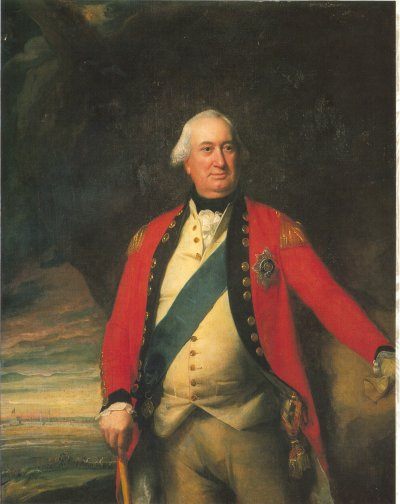
General Cornwallis surrendered to General Washington during this battle, which ended the American Revolution.
Yorktown
Lexington and Concord
Saratoga
Bunker Hill
Which document listed the reasons the colonist wanted to separate from Britain?
Mayflower Compact
Articles of Confederation
Declaration of Independence
Treaty of Paris 1783

