
 Worksheets
Biology Mocks Paper 1 Quizziz 3
Total questions: 30
Worksheet time: 23mins
Which lengths are equivalent to 1 μ m?
1- 1000 mm
2- 0.001 nm
3- 0.001 mm
4- 1 000 000 nm
5- 0.01 mm
6- 1000 nm
1 and 4
2 and 5
3 and 4
3 and 6
The following features are found only in the plant cell
Lysosome
Cell wall
Chloroplast
Central vacuole

What is the vascular tissue that carries water throughout a plant?
phloem
seedling
xylem
What are produced by white blood cells to neutralise poisons released by pathogens?
antihystamines
antigens
antitoxins
antibiotics
Athlete's Foot is caused by:
fungus
bacteria
parasite
virus
Which pathogen is treated with antibiotics?
virus
bacteria
parasite
fungi
Which pathogen is non-living?
Virus
Bacteria
Fungi
Parasite/Protist
They are all alive


What enzyme is found in saliva that starts digesting carbohydrates?
amylase
chyme
pepsin
bile
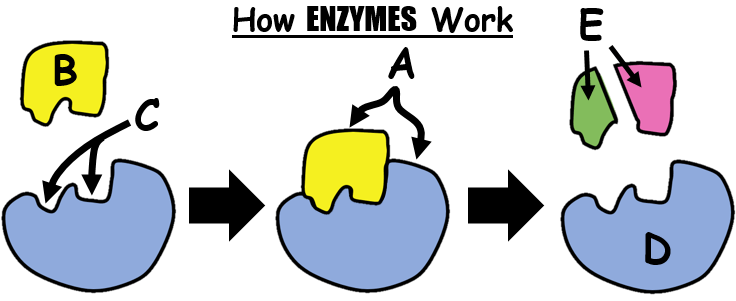
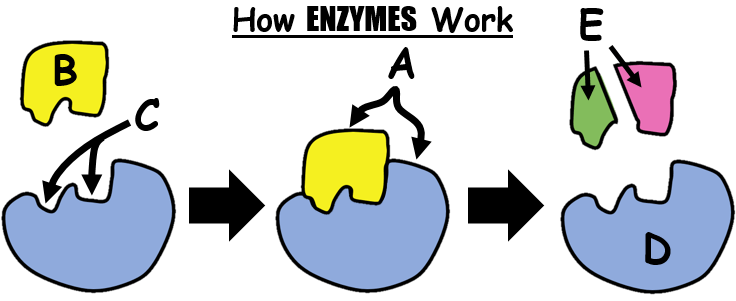
Enzymes are an example of
Lipids
Carbohydrate
Protein
Nucleic Acid
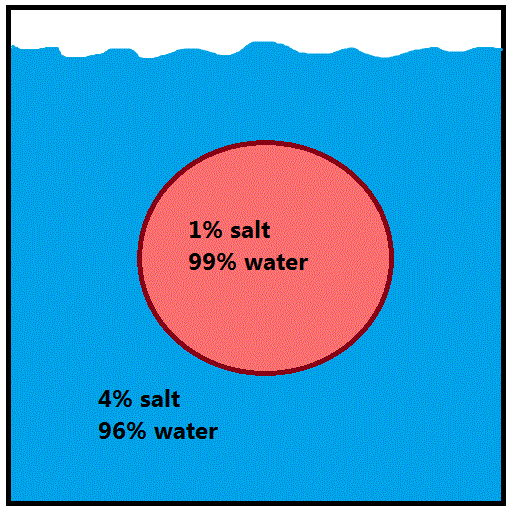
Where will the water go?
Into the cell
Out of the cell
Equally in & out - it's isotonic
There is no water
Which is true about active transport?
Substances move from a high to low concentration
Substances move down the concentration gradient
Energy is required
No energy is required
The X axis represents the _________ variable.
Independent
Dependent

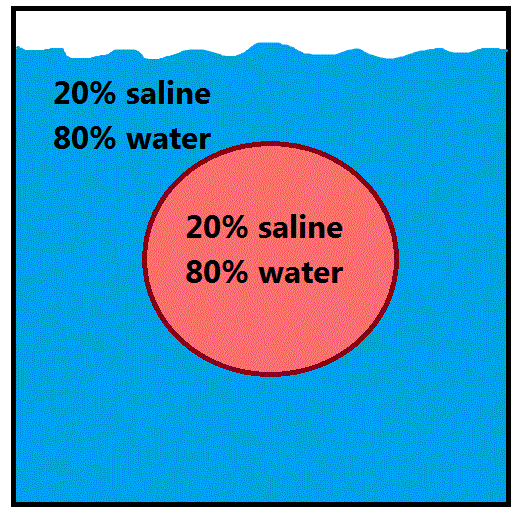
A blood cell is placed into the jar, as seen. Where will the water go?
Into the cell
Out of the cell
Equally in & out - it's isotonic
The water is a lie
Osmosis is an example of diffusion.
True
False
Which of the following explains how the concentration gradient affects the rate of diffusion?
The greater the difference in concentration, the quicker the rate of diffusion.
The higher the temperature, the more kinetic energy the particles will have, so they will move and mix more quickly.
The greater the surface area, the faster the rate of diffusion.

