
 Worksheets
Quiz Chapter 1 - Chapter 8 (Year 7)
Total questions: 30
Worksheet time: 20mins

What is the name of the bone that houses the brain?
Cranium
Ulna
Sternum
Carpals
What is the name of the bone making up the upper part of the leg?
Radius
Tibia
Femur
Fibula
This attaches your bone to bone
Tendons
Ligaments
Aponeurosis
The deltoid is a muscle in
the back
leg
chest
arm
1 of the 4 main jobs of the muscular system is
to give us posture
sensory response (taste, smell, touch, etc)
protect from disease
deliver oxygen to the body
The largest muscle in the body is the
gluteus medius
gluteus maximus
gluteus minimus
buccinator


What letter points to the lung?
A
B
C
D
What letter points to the nose?
A
B
C
D
What are the functions of the respiratory system?
Move oxygen from the outside environment into the body. Removing carbon dioxide and water from the body.
Carries needed substances to cells. Carries waste away from cells.
Breaks down food into molecules that the body can use. Eliminate waste from the body.
Helps the body move. Helps with posture and flexibility.
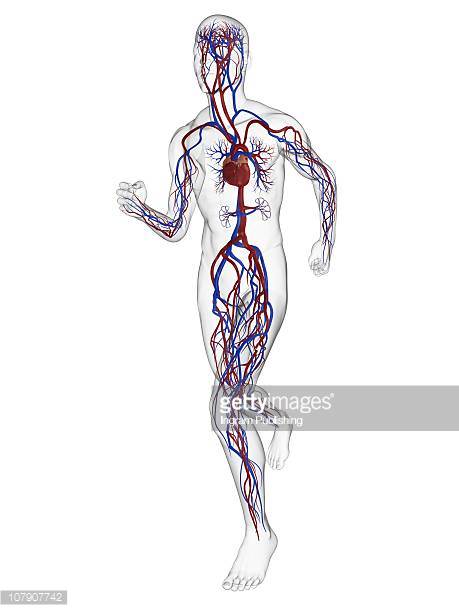
What is the main organ of the circulatory system?
small intestine
bone
lungs
heart

The job of the heart is to . . .
pump blood around the body.
send food to the small intestines.
break down food.
give energy to the body.

The circulatory system works with the ___________ system to provide our body with oxygen.
respiratory
digestive
muscular
skeletal

A condition of excess body fat is called
heart attack
obesity
fad diet
diabetes
An eating disorder is a
choice
illness
If you suspect a friend is suffering form an eating disorder you should
ignore it an hope it goes away
tell everyone else about it
try to force him/her to eat
talk open and honestly with your friend
What type of soft tissue connects muscles to bones?
Tendons
Muscles
Bones
Ligaments

What are the names of these two bones?
Tibia and Fibula
Tibula and Fibia
Tinea and Fillia
Tibia and Fibbia
Warm up before exercise to reduce the risk of ________, which can cause pain, swelling, and difficulty moving the affected muscle. -Over stretching and tearing of muscle fibers.
Strain
Sprain
Cramp
Tendonitis

What injury it this?
wound
bruise
dislocation

What injury it this?
strain
sprain
fracture

