
 Worksheets
IGCSE Biology Ecology Revision Quiz
Total questions: 17
Worksheet time: 51mins
What is the name of an organism that makes its own food
Consumer
omnivore
producer
predator
What process removes carbon dioxide from the air?
Respiration
Decomposition
Photosynthesis
Combustion


Which of these organisms would RECEIVE energy from the snake?
The approximate amount of energy that is transferred between each trophic level is:
10%
0.1%
90%
It totally depends on the ecosystem.
Why are there generally a maximum of five trophic levels?
It's far easier to draw a pyramid that way.
Because energy is lost at each level, there isn't enough energy left to support any more consumers.
Generally a top predator is so fierce it has no predators and therefore can rule the top trophic level without fear.
There simply is not a word beyond quaternary.
BTW the word after quaternary is quinary (always read all the options in multiple choice questions)

Which one is most likely the pyramid of biomass?
A
B
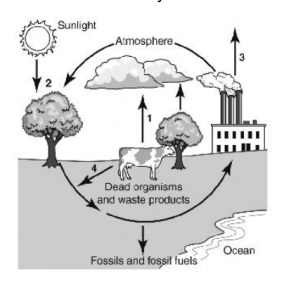
Which of these are classed as abiotic factors that could affect a population?
Light
Temperature
Pathogens
Dissolved oxygen concentration
Food availability
what is the name for all the animals of the same species living in an ecosystem??
community
population
Biosphere
All of these
Which nitrogen cycle process is occurring when bacteria convert ammonium to nitrite and then into nitrate?
nitrogen fixation
nitrification
denitrification
ammonification
assimilation


