Worksheets
Ohio Fossils Questions
Total questions: 12
Worksheet time: 6mins

What type of climate supported Ohio’s trilobites?
Trilobites lived in warm shallow seas.
The climate has always been the same in Ohio.
Scientists believe Ohio used to be much closer to the equator due to plate tectonics. This means the climate would have been much warmer.
Scientists believe Ohio used to be farther away from the equator due to plate tectonics. This means the climate would have been much cold.

What type of climate supported Ohio’s wooly mammoths and mastodons?
They lived during the ice age.
The climate was the same as it is now.
The climate was warmer than it is now.

What kind of fossils would today's climate create in Ohio?
polar bears, penguins, whales
sharks, dolphins, sea turtles
deer, frogs, squirrels
Fossilized rock in the shape of dinosaur bones are which type of fossil?
real bone
mold fossil
cast fossil
trace fossil
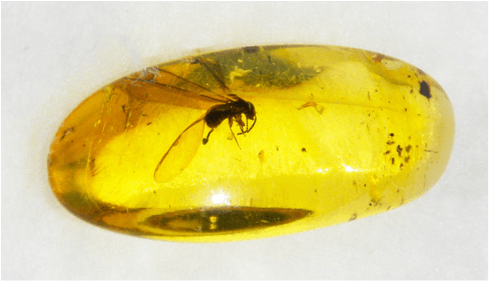
Which type of fossil is created when an organism gets trapped in tree resin?
Trace
Mold/Imprint
Amber
Cast

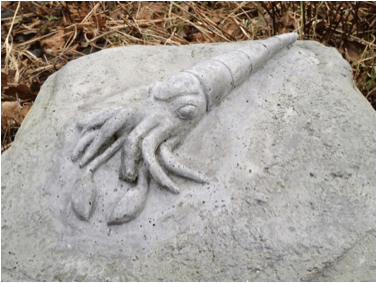
What kind of fossil is this?
Mold fossil
Cast fossil
True Form fossil
Trace fossil