wayground logo

Free Printable Worksheets

Font size

S
M
L
XL
Worksheets

Atoms And Molecules

Total questions: 30

Worksheet time: 27mins

Name
Class
Date
1.

The total number of electrons in a neutral atom of every element is always equal to the atom's ________________________.

a)

atomic mass number

b)

number of neutrons

c)

number of shells

d)

number of protons

2.

The atomic mass is equal to which two items added together?

a)

Protons

b)

Neutrons

c)

Electrons

d)

Atom

e)

Electron Shells

3.

Elements can be made of a single _____

a)

subatomic particle

b)

particle

c)

atom

d)

molecule

4.

A ______ is made when more than one element is chemically bonded together.

a)

atom

b)

compound

c)

particle

d)

bond

5.
The positive particles of an atom are 
a)
electrons 
b)
positrons 
c)
neutrons 
d)
protons 
6.
The particles that are found in the nucleus of an atom are
a)
neutrons and electrons
b)
electrons only
c)
protons and neutrons
d)
protons and electrons
7.
The central region of an atom where its neutrons and protons are is called the
a)
nucleus 
b)
electron cloud
c)
core 
d)
center 
8.
The smallest part of an element is known as the 
a)
Periodic Table
b)
Atom
c)
Group
d)
Period
9.

Two or more atoms joined together for a(n)...

a)

Element

b)

Compound

c)

Molecule

d)

Mixture

10.
An element is made up of only one kind of _____.
a)
isotope
b)
plastic
c)
atom
d)
metal
11.
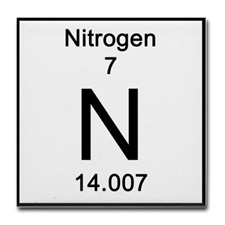
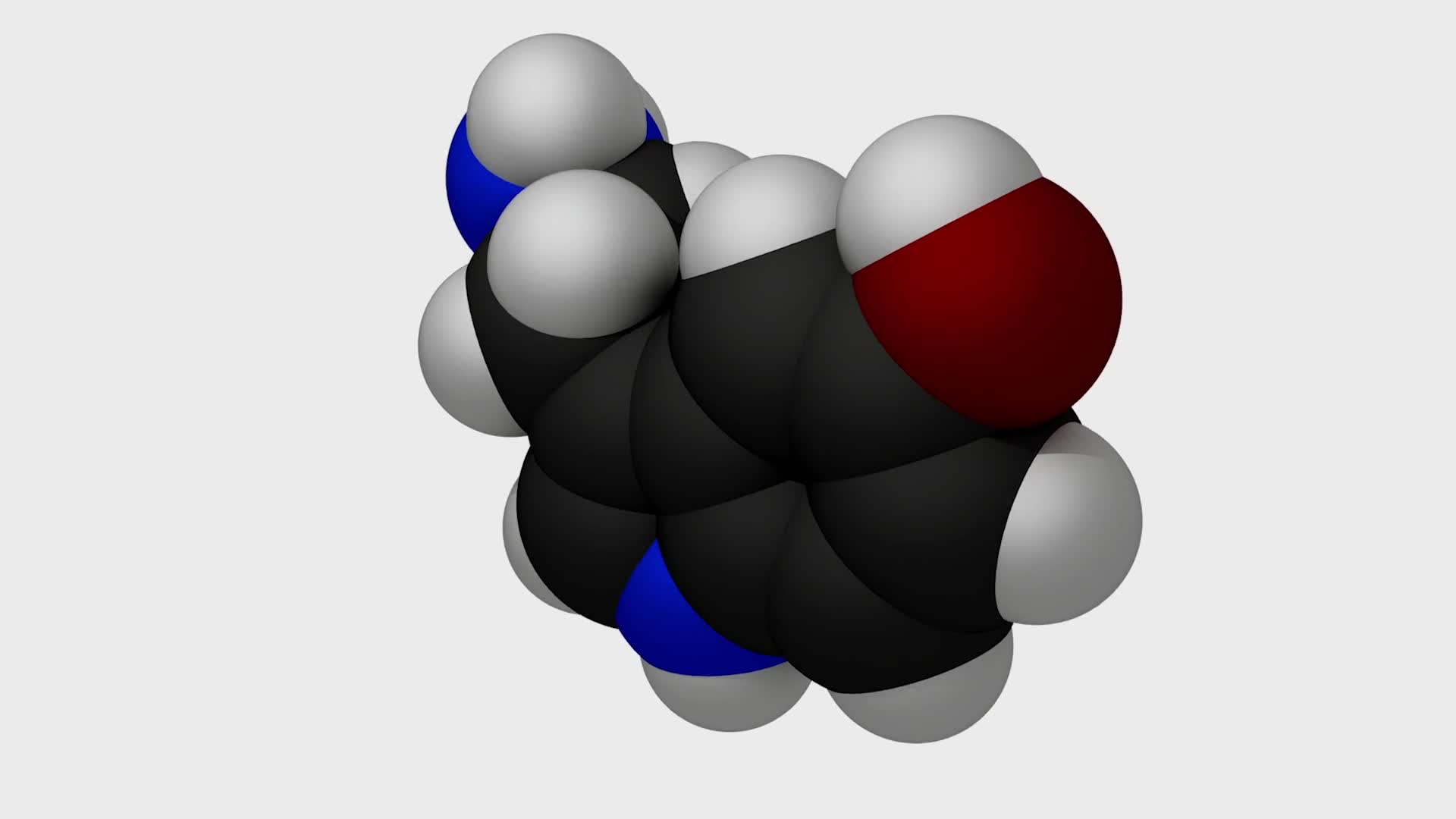
What is the number of protons that the element in this image contain?
a)
14
b)
7
c)
15
d)
18
12.
What is the atomic mass of "F"
a)
9
b)
18
c)
17
d)
19
13.
What are the 3 particles that make-up the atom?
a)
protons, neutrons, and isotopes
b)
neutrons, isotopes, and electrons
c)
positives, negatives, and electrons
d)
protons, neutrons, and electrons
14.
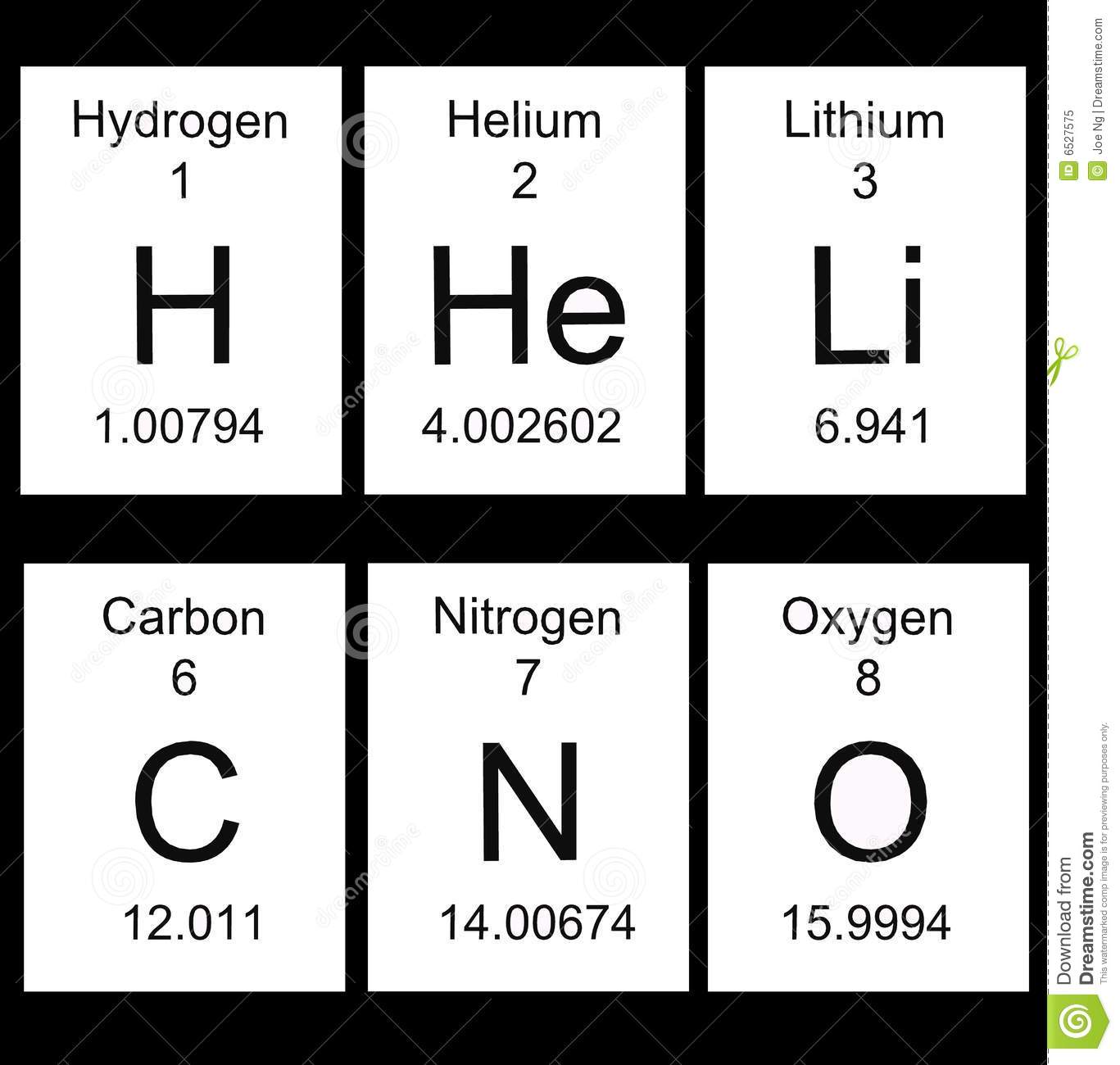
How many protons are in an atom of carbon?
a)
12.01
b)
8
c)
6
d)
14
15.

Which number here is the atomic number?

a)

5

b)

10.811

16.
An atoms overall charge is _____.
a)
Positive 
b)
Depends on its mood 
c)
Neutral 
d)
Negative 
17.
Which statement best describes an electron?
a)
Smaller mass than a proton and a negative charge
b)
Smaller mass than a proton and a positive charge
c)
Greater mass than a proton and a negative charge
d)
Greater mass than a proton and a positive charge
18.

An element that has a charge is called...

a)

A proton

b)

A neutron

c)

An ion

d)

An atom

19.
How many Hydrogen are in 4H2O?
a)
6
b)
8
c)
2
d)
4
20.
How many Oxygen are in H2O?
a)
1
b)
2
c)
0
d)
4
21.
How many atoms are there TOTAL in:
H2SO4
a)
6
b)
5
c)
7
d)
3
22.
How many elements are in C6H12O6?
a)
1
b)
2
c)
3
d)
4
23.
The number at the bottom of each square on the periodic table is the ...
a)
atomic number
b)
atomic mass
c)
chemical symbol
d)
element name
24.
All matter is made of 
a)
energy 
b)
atoms 
c)
electrons 
d)
compounds 
25.
Two or more atoms chemically bonded together are called a
a)
atom
b)
element
c)
molecule
d)
mixture
26.
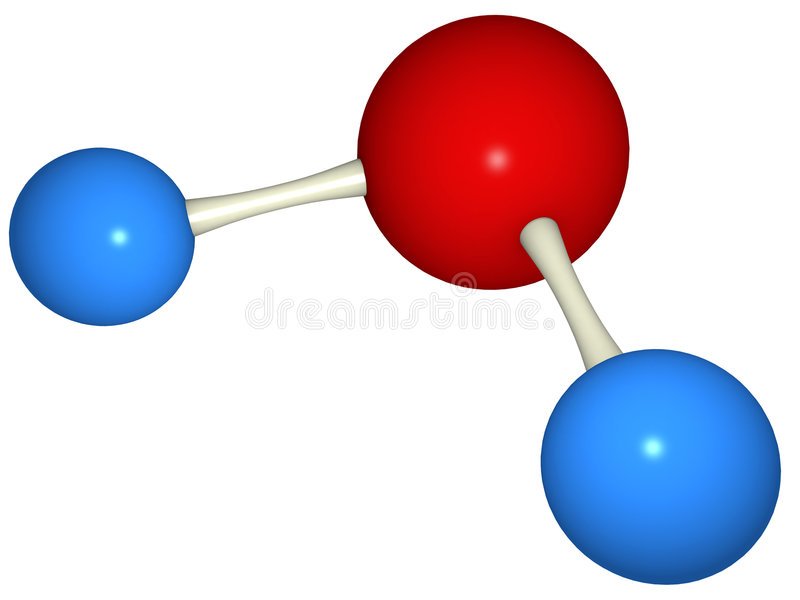
How many hydrogen atoms are there in a water molecule? 
a)
0
b)
1
c)
2
d)
3
27.
A molecule is made up of ____ or more atoms.
a)
1
b)
2
c)
3
d)
4
28.

The image shows the periodic grid of potassium. How many electrons are found in the potassium atom?

a)

19

b)

20

c)

39

d)

40

29.

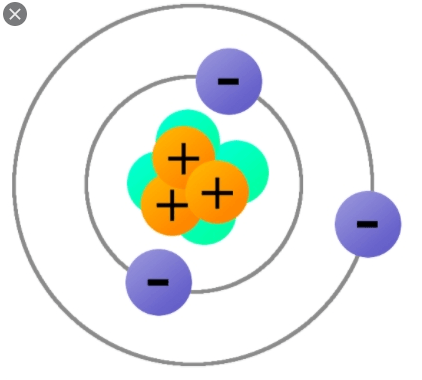
Which part of an atom is represented by the blue circles?

a)

electrons

b)

neutrons

c)

protons

30.

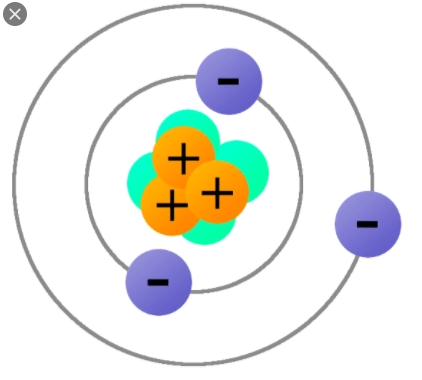
Which part of an atom is represented by the orange circles?

a)

electrons

b)

neutrons

c)

protons