
NEW
Font size
 Worksheets
Surface Processes on Earth
Total questions: 34
Worksheet time: 24mins
The breaking down and changing of rocks at or near Earth's surface is called
weathering
mass movement
sheet erosion
uplift
Which of the following is NOT a cause of mechanical weathering?
unloading
frost wedging
dissolving
biological activity
Organic matter in soil is also called
regolith
humus
talus
loam
A soil's texture is determined by its
thickness
mineral composition
particle sizes
water content
Which factor has the greatest effect on soil formation?
climate
time
atmospheric pressure
distance from the ocean
Which of the following is NOT a cause of chemical weathering?
water dissolving rock
frost wedging
acid rain
oxidation
The movement of rock particles by wind, water, ice, or gravity is called...
loam
sedimentary
deposition
erosion
During mechanical weathering, which statement best describes what happens to the mineral composition of the weathered rock?
the mineral composition changes during mechanical weathering
the mineral composition dissolves when exposed to water during mechanical weathering
the mineral composition remains unchanged during mechanical weathering
rocks are not made of minerals
the mechanical breakup of rock caused by the expansion of freezing water in cracks and crevices
exfoliation
talus
chemical weathering
frost wedging
The process of sediment being dropped or settling in a new location is called-
precipitation
deposition
weathering
erosion

Which of the following describes how microorganisms influence the chemical characteristics of soil?
They loosen and mix the soil by digging burrows underground.
They add inorganic material to the soil by weathering rocks on Earth’s surface.
They add moisture to the soil by creating pores through which water can move.
They add organic material to the soil by breaking down the remains of plants and animals.
Which soil horizon typically contains the least organic matter?
A horizon
B horizon
C horizon
O horizon

30% Sand
10% Silt
60% Clay

Which particles can wind most easily move?
cobble
pebbles
silt
gravel

The result of this glacier will be a(n) ____.
U-shaped valley with scratched bedrock
U-shaped valley with round sediments
V-shaped valley with scratched bedrock
V-shaped valley with round sediments
Which agent of erosion causes long, narrow, U-shaped valleys?
wind
landslides
meandering rivers
continental glaciers
Deltas are landforms of...
Erosion
Transportation
Deposition
All of the above.
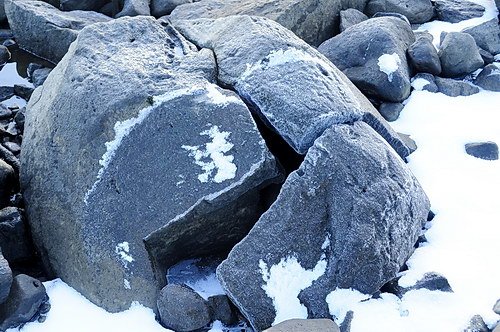

Rain washing away soil from a hillside is an example of...
Erosion
Weathering
Deposition
Washing out


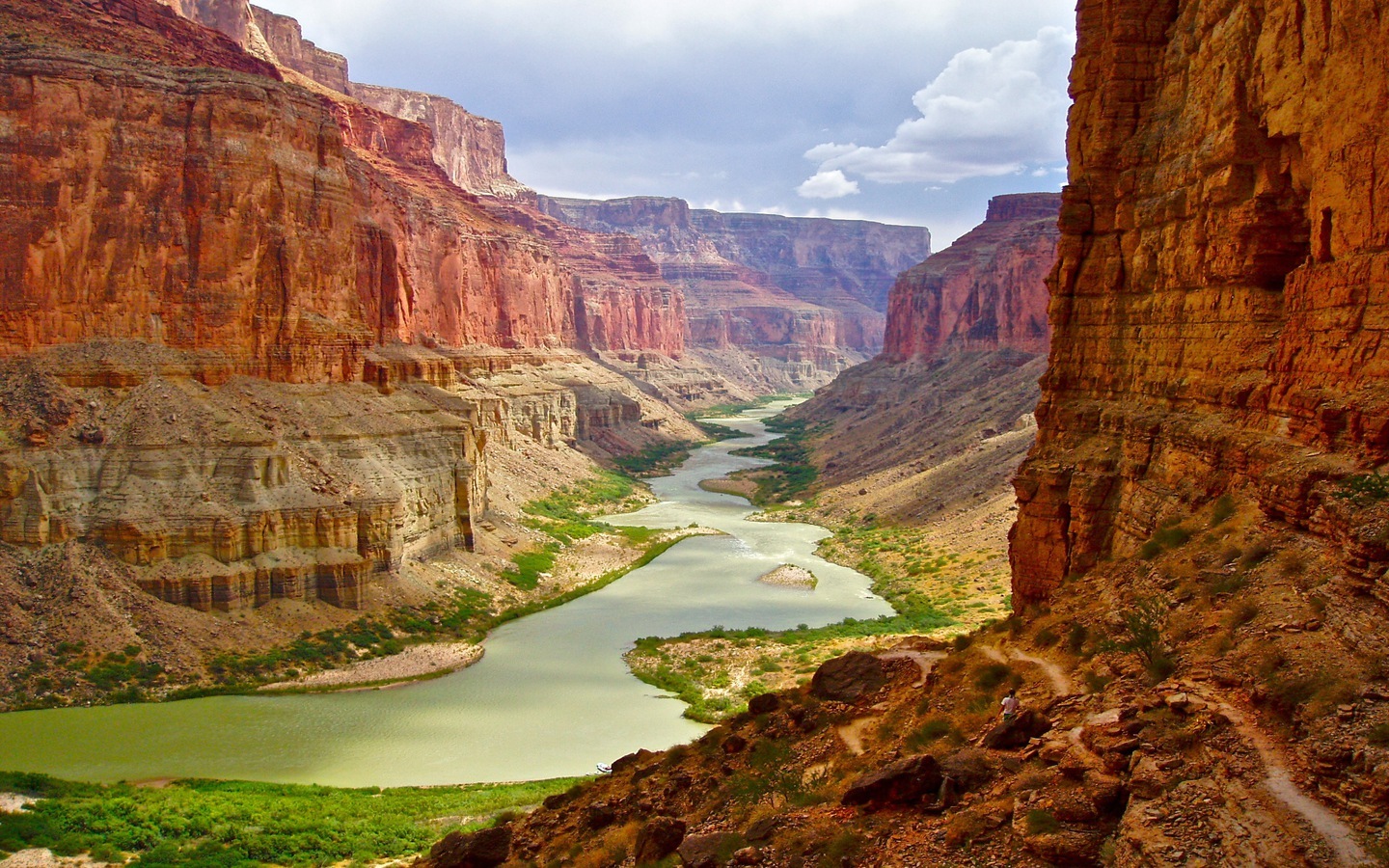
Which process is responsible for breaking rocks into smaller pieces without changing their chemical composition?
Compaction
Mechanical weathering
Deposition
Chemical weathering
What is the main component of soil that provides nutrients for plant growth?
Sand
Organic matter
Clay
Gravel
Which of the following best describes deposition?
The removal of soil by wind or water
The breaking down of rocks into smaller pieces
The dropping of sediments in a new location
The movement of tectonic plates
Which process involves the movement of sediments from one place to another?
Weathering
Erosion
Deposition
Compaction
What is the main reason why clay soils retain more water than sandy soils?
Clay particles are larger
Clay has more organic matter
Clay particles are smaller and pack tightly
Clay is found in the O horizon
Which process is responsible for breaking rocks into smaller pieces without changing their chemical composition?
Compaction
Mechanical weathering
Chemical weathering
Deposition
What is the main cause of soil erosion on agricultural land?
Volcanic activity
Earthquakes
Rainfall
Wind
Which of the following best explains why sandy soils drain water quickly?
Sandy soils contain more organic matter
Sandy soils have tightly packed particles
Sandy soils are found in the B horizon
Sandy soils have large particles and large pore spaces

