
 Worksheets
Unit 2: Neolithic Revolution
Total questions: 75
Worksheet time: 3hrs 30mins
Name
Class
Date
1.
Which word means almost the same as agriculture?
a)
Hunting
b)
Farming
c)
Building
d)
Gathering
2.
What is a synonym for to domesticate?
a)
To tame
b)
To abandon
c)
To hunt
d)
To frighten
3.
Which word means almost the same as artifact?
a)
Modern tool
b)
Living thing
c)
Ancient item
d)
Natural object
4.
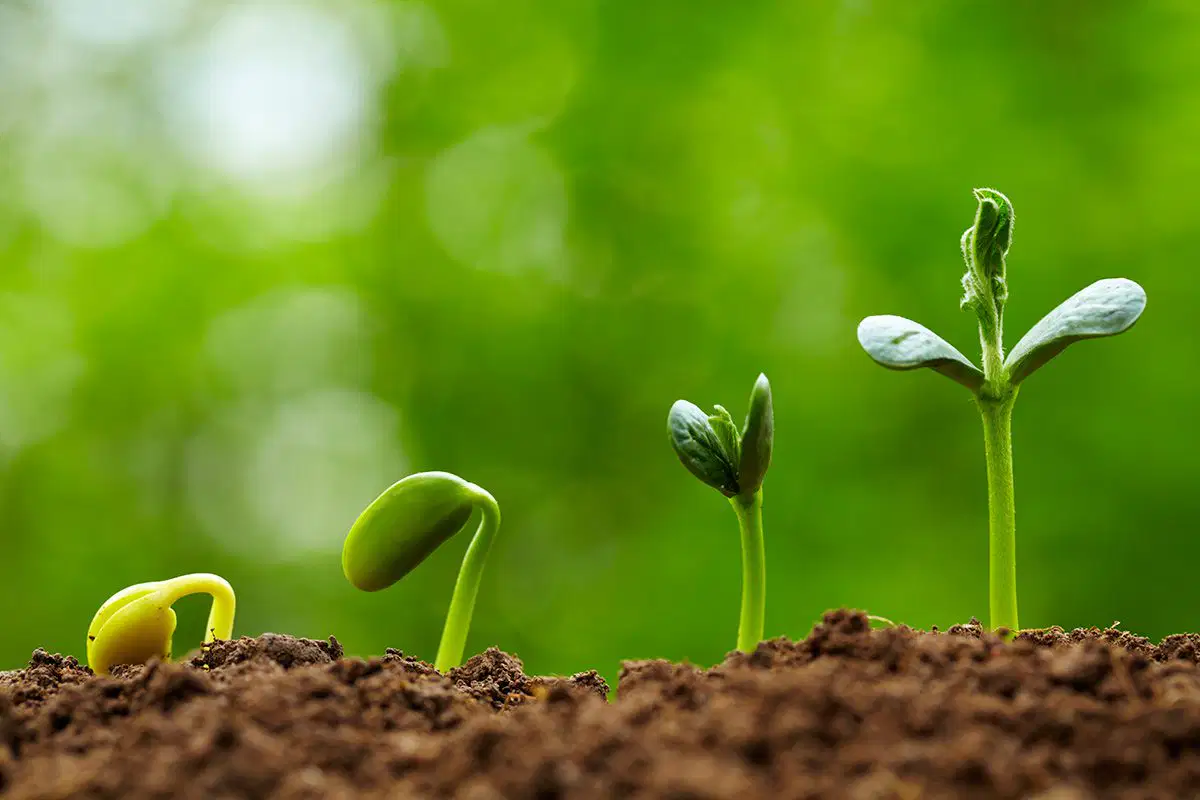
What is a synonym for to cultivate?
a)
To destroy
b)
To neglect
c)
To ignore
d)
To grow crops
5.
Which word means almost the same as resource?
a)
A waste
b)
A problem
c)
Something useful
d)
A toy
6.

What is a synonym for archeology?
a)
The study of the past
b)
The study of space
c)
The study of the sea
d)
The study of the future
7.
Which word means almost the same as to interpret?
a)
To confuse
b)
To hide
c)
To guess
d)
To explain
8.
What is a synonym for Neolithic?
a)
Old Stone Age
b)
New Stone Age
c)
Iron Age
d)
Bronze Age
9.

Which word means almost the same as society?
a)
A community
b)
A single person
c)
An animal herd
d)
A small house
10.

What is a synonym for pasture?
a)
Forest
b)
Grazing land
c)
Desert
d)
Mountain
11.

Which word means almost the same as hunter-gatherer?
a)
Forager
b)
Settler
c)
Farmer
d)
Builder
12.
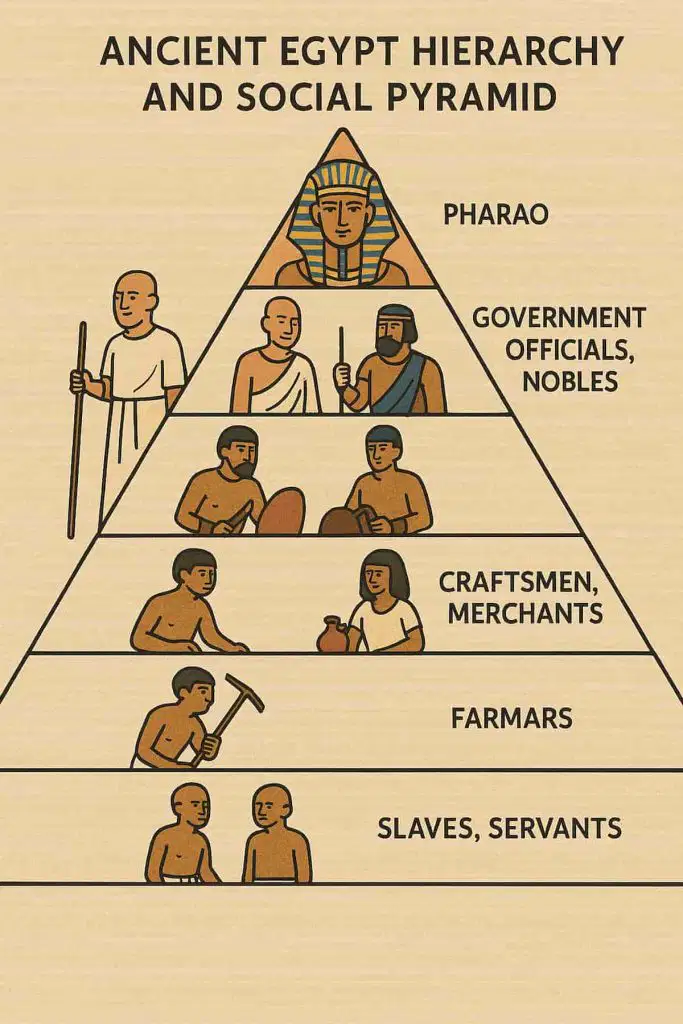
What is a synonym for hierarchy?
a)
Chaos
b)
Social ranking
c)
Equality
d)
Flat land
13.
Which word means almost the same as culture?
a)
Building material
b)
Weather
c)
Traditions
d)
Language
14.

What is a synonym for dense?
a)
Emptiness
b)
Concentration
c)
Spread out
d)
Smallness
15.
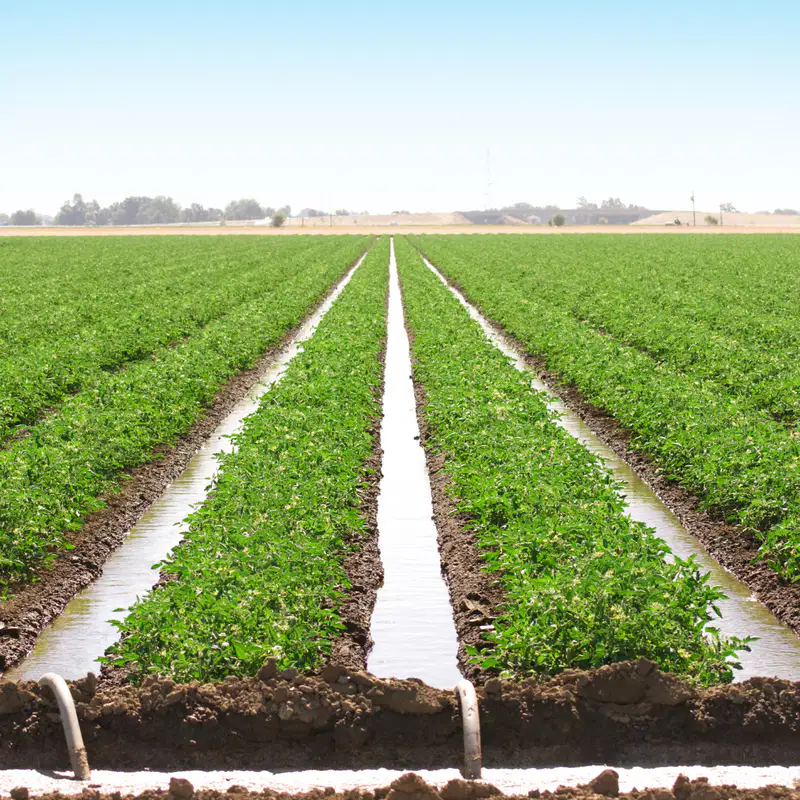
Which word means almost the same as to irrigate?
a)
To water crops
b)
To dry out
c)
To dig up
d)
To fertilize
16.
What is a synonym for agriculture?
a)
Hunting
b)
Crop growing
c)
Foraging
d)
Fishing
17.
Which word means almost the same as to domesticate?
a)
To chase
b)
To release
c)
To abandon
d)
To train
18.
What is a synonym for artifact?
a)
Relic
b)
Living plant
c)
New building
d)
Modern machine
19.
Which word means almost the same as society?
a)
A single hunter
b)
A person alone
c)
A large group
d)
A small tent
20.
What is a synonym for to cultivate?
a)
To neglect land
b)
To leave alone
c)
To search
d)
To prepare land
21.
What is an antonym (opposite) for to cultivate?
a)
To harvest
b)
To neglect
c)
To grow
d)
To water
22.
Which word is the opposite of to domesticate?
a)
To tame
b)
To release into the wild
c)
To train
d)
To feed
23.
What is an antonym for hunter-gatherer?
a)
Nomad
b)
Farmer
c)
Forager
d)
Tracker
24.
Which word is the opposite of agriculture?
a)
Farming
b)
Hunting and foraging
c)
Wild growing
d)
Harvesting
25.
What is an antonym for Neolithic?
a)
Old Stone Age
b)
New Stone Age
c)
Modern Era
d)
Future
26.
Which word is the opposite of resource?
a)
An asset
b)
A waste
c)
Something valuable
d)
A supply
27.
What is an antonym for to interpret?
a)
To understand
b)
To misunderstand
c)
To explain
d)
To look at
28.
Which word is the opposite of archeology?
a)
The study of facts
b)
The study of old things
c)
Speculation
d)
The study of people
29.
What is an antonym for artifact?
a)
A natural object
b)
An ancient tool
c)
A piece of pottery
d)
A woven basket
30.
Which word is the opposite of density?
a)
Closeness
b)
Crowding
c)
Sparseness
d)
Concentration
31.
What is an antonym for hierarchy?
a)
Social order
b)
Ranking
c)
Equality
d)
Structure
32.
Which word is the opposite of culture?
a)
Shared traditions
b)
Way of life
c)
Individuality
d)
Traditions
33.
What is an antonym for society?
a)
A community
b)
Isolation
c)
A large group
d)
A shared way of life
34.
Which word is the opposite of pasture?
a)
Meadow
b)
Desert
c)
Grassland
d)
Field
35.
What is an antonym for to irrigate?
a)
To water
b)
To supply liquid
c)
To dry out
d)
To channel
36.
Which word is the opposite of agriculture?
a)
Planting
b)
Growing
c)
Hunting
d)
Farming
37.
What is an antonym for to domesticate?
a)
To train
b)
To make wild
c)
To breed
d)
To raise
38.
Which word is the opposite of artifact?
a)
Relic
b)
Ancient object
c)
New invention
d)
Piece of pottery
39.
What is an antonym for hunter-gatherer?
a)
Nomad
b)
Forager
c)
Farmer
d)
Mover
40.
Which word is the opposite of to cultivate?
a)
To grow crops
b)
To plant seeds
c)
To neglect
d)
To farm
41.
Scientists use _____ to study the history of people by digging up old sites.
a)
Agriculture
b)
Archeology
c)
Artifact
d)
Pasture
42.
A community of people who share the same way of life is called a _____.
a)
Nomad
b)
Society
c)
Hunter-gatherer
d)
Hierarchy
43.
People learned _____ so they could grow their food instead of always hunting.
a)
Density
b)
Culture
c)
Agriculture
d)
Artifact
44.
The _____ Revolution led to permanent settlements and new inventions.
a)
Artifact
b)
Neolithic
c)
Pasture
d)
Resource
45.
The goal of farming is _____ plants and animals to be most useful for people.
a)
To interpret
b)
To domesticate
c)
To irrigate
d)
To cultivate
46.
A useful object, like a broken tool or piece of pottery, is called an _____.
a)
Resource
b)
Pasture
c)
Artifact
d)
Culture
47.
Early humans were _____ because they moved constantly to find food.
a)
Farmers
b)
Hunter-gatherers
c)
Settlers
d)
Leaders
48.
The land near the settlement was a perfect _____ for their newly tamed sheep and goats.
a)
Artifact
b)
Pasture
c)
Density
d)
Resource
49.
The amount of people living in one small area is called population _____.
a)
Resource
b)
Density
c)
Culture
d)
Hierarchy
50.
When the weather is dry, farmers need to _____ the fields to get water to the crops.
a)
To cultivate
b)
To domesticate
c)
To irrigate
d)
To interpret
51.
The farmers had to _____ the land to prepare it for planting seeds.
a)
To cultivate
b)
To irrigate
c)
To domesticate
d)
To interpret
52.
Having a powerful leader and then people with less power shows a _____ in the village.
a)
Culture
b)
Society
c)
Hierarchy
d)
Density
53.
The knowledge and skills of farming became a valuable _____ for the new community.
a)
Resource
b)
Artifact
c)
Culture
d)
Pasture
54.
The scientists must carefully _____ the old drawings on the cave walls to understand their meaning.
a)
To irrigate
b)
To interpret
c)
To cultivate
d)
To domesticate
55.
The shared traditions, beliefs, and way of life of the people made up their _____.
a)
Culture
b)
Hierarchy
c)
Density
d)
Pasture
56.
The _____ Age is when people learned to farm and stopped being nomads.
a)
Resource
b)
Artifact
c)
Neolithic
d)
Archeology
57.
_____ provided more consistent food than hunting and gathering.
a)
Hierarchy
b)
Culture
c)
Agriculture
d)
Density
58.
_____ shows us how people lived long ago by looking at the objects they left behind.
a)
To interpret
b)
To domesticate
c)
To cultivate
d)
Archeology
59.
The farmers had to _____ wild animals over many generations to make them useful.
a)
To interpret
b)
To cultivate
c)
To domesticate
d)
To irrigate
60.
The farming _____ grew larger and more complex as the population increased.
a)
Artifact
b)
Hunter-gatherer
c)
Society
d)
Pasture
61.
to interpret
a)
To explain facts and evidence by using logical thinking.
b)
To prepare and use land for growing plants or crops.
c)
This is the social structure of a society. It is used to describe who has what powers and responsibilities.
d)
This is grassland used for keeping llivestock.
e)
This is the science and skill of growing/producing plants and animals.
62.
resource
a)
This is something that is useful and has value to people.
b)
To supply water to an area of land, typically through pipes or channels, so that crops will grow.
c)
A group of people which share a specific time, area, traditions, and/or way of life.
d)
This is surviving by hunting and gathering all the food and resources you need to survive.
e)
To use selection and breeding to make plants or animals more useful to humans.
63.
Neolithic
a)
This is an academic term meaning "New Stone Age".
b)
This is the science of studying the past by what people have left behind.
c)
This is the measurement of how many of something there is in a regular area. Example: Houses per block
d)
This is a large community of people that share the same culture or way of life.
e)
Something that is left behind by humans.
64.
agriculture
a)
This is the science and skill of growing/producing plants and animals.
b)
To explain facts and evidence by using logical thinking.
c)
To prepare and use land for growing plants or crops.
d)
This is the social structure of a society. It is used to describe who has what powers and responsibilities.
e)
This is grassland used for keeping llivestock.
65.
to domesticate
a)
To use selection and breeding to make plants or animals more useful to humans.
b)
This is something that is useful and has value to people.
c)
To supply water to an area of land, typically through pipes or channels, so that crops will grow.
d)
A group of people which share a specific time, area, traditions, and/or way of life.
e)
This is surviving by hunting and gathering all the food and resources you need to survive.
66.
artifact
a)
Something that is left behind by humans.
b)
This is an academic term meaning "New Stone Age".
c)
This is the science of studying the past by what people have left behind.
d)
This is the measurement of how many of something there is in a regular area. Example: Houses per block
e)
This is a large community of people that share the same culture or way of life.
67.
pasture
a)
This is grassland used for keeping llivestock.
b)
This is the science and skill of growing/producing plants and animals.
c)
To explain facts and evidence by using logical thinking.
d)
To prepare and use land for growing plants or crops.
e)
This is the social structure of a society. It is used to describe who has what powers and responsibilities.
68.
hunter-gatherer
a)
This is surviving by hunting and gathering all the food and resources you need to survive.
b)
To use selection and breeding to make plants or animals more useful to humans.
c)
This is something that is useful and has value to people.
d)
To supply water to an area of land, typically through pipes or channels, so that crops will grow.
e)
A group of people which share a specific time, area, traditions, and/or way of life.
69.
society
a)
This is a large community of people that share the same culture or way of life.
b)
Something that is left behind by humans.
c)
This is an academic term meaning "New Stone Age".
d)
This is the science of studying the past by what people have left behind.
e)
This is the measurement of how many of something there is in a regular area. Example: Houses per block
70.
hierarchy
a)
This is the social structure of a society. It is used to describe who has what powers and responsibilities.
b)
This is grassland used for keeping llivestock.
c)
This is the science and skill of growing/producing plants and animals.
d)
To explain facts and evidence by using logical thinking.
e)
To prepare and use land for growing plants or crops.
71.
culture
a)
A group of people which share a specific time, area, traditions, and/or way of life.
b)
This is surviving by hunting and gathering all the food and resources you need to survive.
c)
To use selection and breeding to make plants or animals more useful to humans.
d)
This is something that is useful and has value to people.
e)
To supply water to an area of land, typically through pipes or channels, so that crops will grow.
72.
density
a)
This is the measurement of how many of something there is in a regular area. Example: Houses per block
b)
This is a large community of people that share the same culture or way of life.
c)
Something that is left behind by humans.
d)
This is an academic term meaning "New Stone Age".
e)
This is the science of studying the past by what people have left behind.
73.
to cultivate
a)
To prepare and use land for growing plants or crops.
b)
This is the social structure of a society. It is used to describe who has what powers and responsibilities.
c)
This is grassland used for keeping llivestock.
d)
This is the science and skill of growing/producing plants and animals.
e)
To explain facts and evidence by using logical thinking.
74.
to irrigate
a)
To supply water to an area of land, typically through pipes or channels, so that crops will grow.
b)
A group of people which share a specific time, area, traditions, and/or way of life.
c)
This is surviving by hunting and gathering all the food and resources you need to survive.
d)
To use selection and breeding to make plants or animals more useful to humans.
e)
This is something that is useful and has value to people.
75.
to irrigate
a)
This is to bring water to an area for the purpose of growing corps.
b)
This is to dry out a muddy piece of land so you can build on it.
c)
This is to cultivate animals for the purpose of hunting.
d)
This is to build an entrance through a fenced in area.
100 %

