
 Worksheets
Introduction to Cells
Total questions: 18
Worksheet time: 10mins
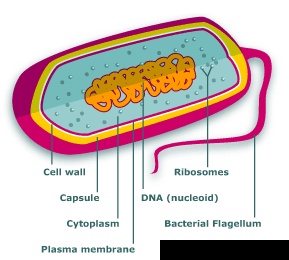
Which type of cell is this?
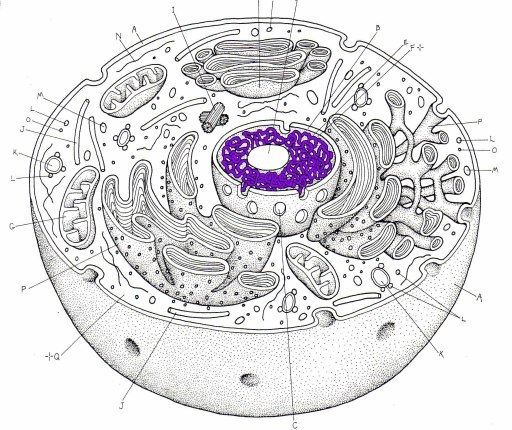
Which of the following organisms is made up of prokaryotic cells?
Plants
Bacteria
Animals
Fungi
Which type of cell has a nucleus?
Prokaryotic cells
Eukaryotic cells
Both prokaryotic and eukaryotic cells
None of these
Which type of cell has a cell membrane?
Prokaryotic cells
Eukaryotic cells
Both prokaryotic and eukaryotic cells
None of these
Which type of cell has a cytoplasm?
Prokaryotic cells
Eukaryotic cells
Both prokaryotic and eukaryotic cells
None of these
The main difference between PROkaryotic and EUkaryotic cells is that
one is alive and the other is not
one has a nucleus and the other does not
one makes proteins and the other does not
one has a cell membrane and the other does not
What is something that Prokaryotes and Eukaryote both have in common?
small in size
bacteria
have DNA
complex cells
A Vacuole can temporarily store materials it is found in _____ and ____.
plants and animals
reptiles and amphibians
All of these
fruits and vegetables
The cell membrane is the flexible barrier found in what type of cells?
all of these.
fungus, algae, and plant cells
dogs, cats, and bird cells
people, ameba, and bacteria

What important material is contained in the nucleus?
Jeans
Digestive enzymes
DNA
Nuclear ladders
A school’s cafeteria kitchen has a large, walk-in refrigerator where food is stored for lunch later in the week. Which cell organelle has a function that is similar to the refrigerator?
Vacuole
Nucleus
Chloroplast
Mitochondrion
The gel-like fluid supporting physically and chemically the organelles is the —
chloroplast
cytoplasm
mitochondria
cell membrane

