
 Worksheets
Unit 3: Brain
Total questions: 19
Worksheet time: 10mins
The Occipital Lobe is responsible for what?
(check all that apply)
Emotions
Creative thinking
Sensory functions
Visual information
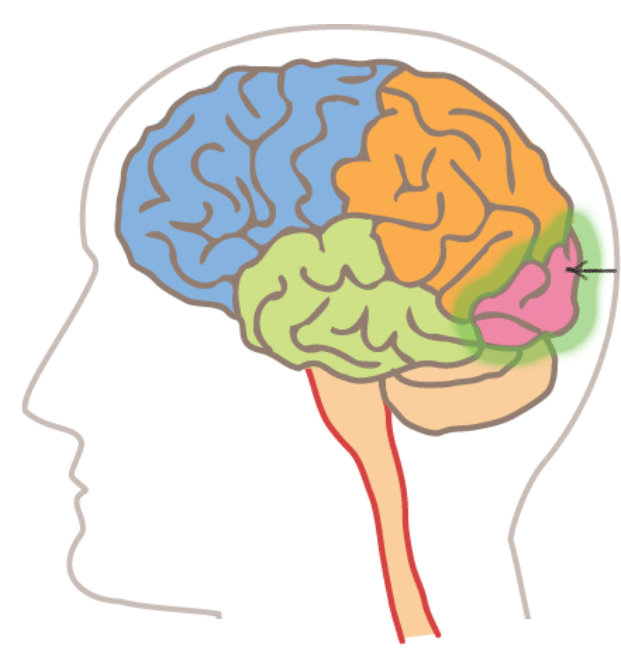
Identify the lobe of the brain highlighted.
Frontal lobe
Parietal lobe
Occipital lobe
Temporal lobe
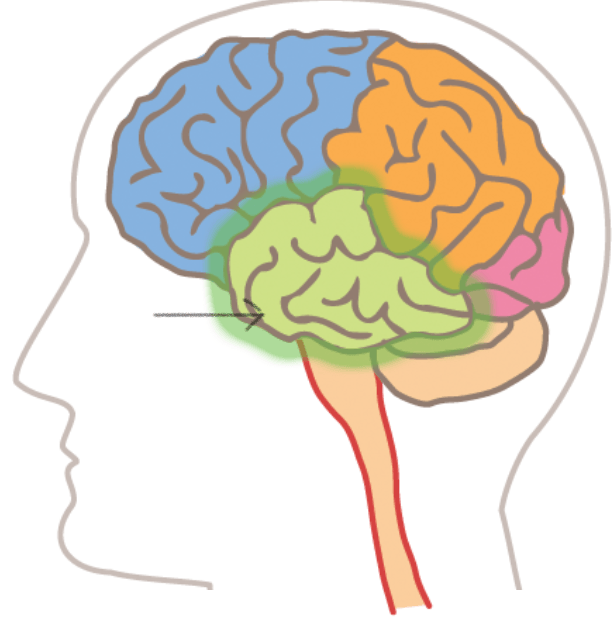
Identify the lobe of the brain highlighted.
Frontal lobe
Parietal lobe
Occipital lobe
Temporal lobe
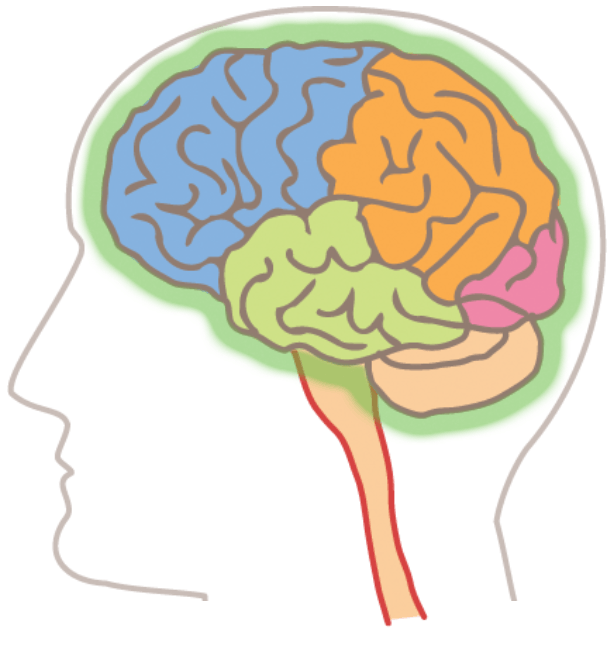
Identify the area of the brain highlighted.
Frontal lobe
Cerebrum
Cerebellum
Hypothalamus
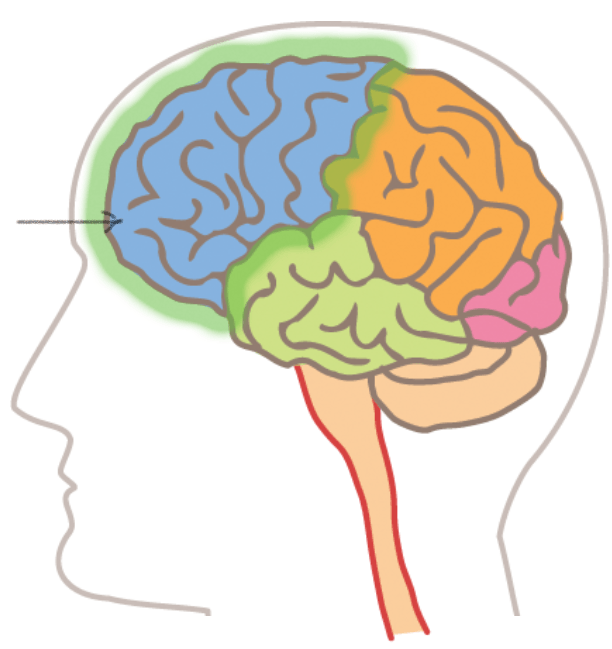
Identify the area of the brain highlighted.
Frontal lobe
Parietal lobe
Cerebellum
Cerebrum
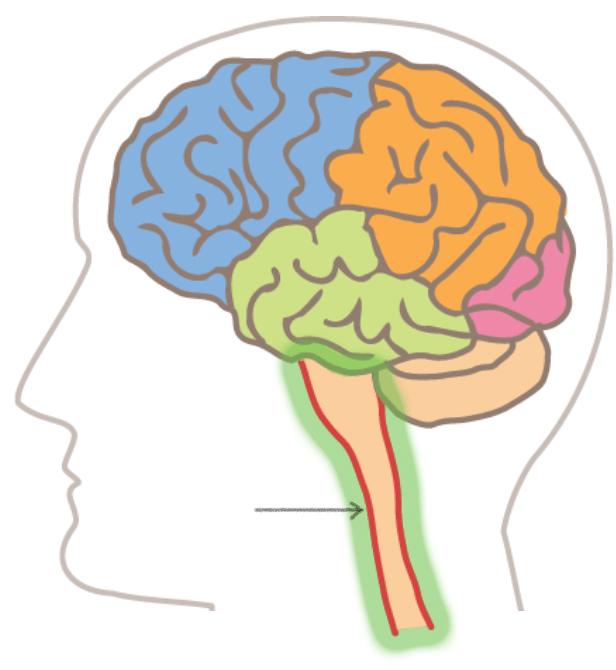
Identify the area of the brain highlighted.
Brain stem
Cerebellum
Spine
Medulla oblongata
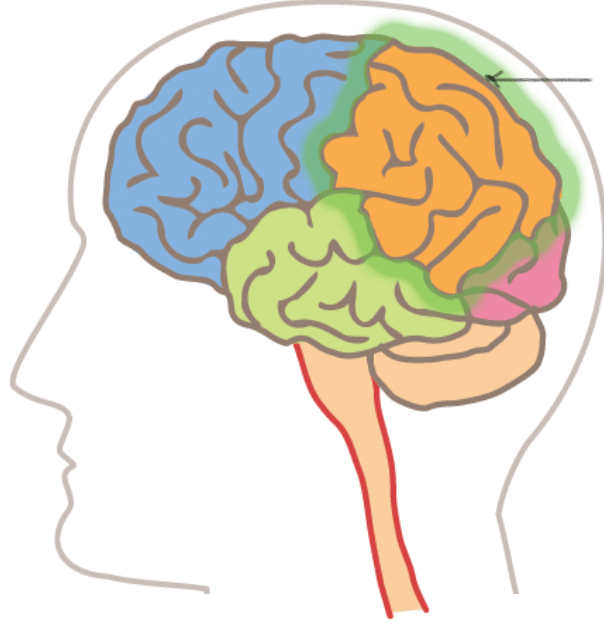
Identify the area of the brain highlighted.
Cerebellum
Parietal lobe
Brain stem
Temporal lobe
Responsible for integrating sensory information, including touch, temperature, pressure and pain.
Frontal lobe
Parietal lobe
Occipital lobe
Temporal lobe
These send electrical impulses to neighbouring neurons.
Synapses
Axon
Dendrites
Nucleus
Receive electrical impulses from the neighbouring neurons.
Dendrites
Axon
Soma
Nucleus
The Medulla does all of these except?
breathing
swallowing
thinking
digestion
The part of the brain that is used for functions such a memory, problem-solving, emotions, etc.
Frontal Lobe
Temporal Lobe
Parietal Lobe
Occipital Lobe
What is the main function of the Central Nervous System (CNS)
Communication system between the brain and the Peripheral Nervous System (PNS)
Communication system between muscle and the Peripheral Nervous System (PNS)
Communication system between the heart and the Peripheral Nervous System (PNS)
Communication system between the spine and the Peripheral Nervous System (PNS)
What is the main function of the Peripheral Nervous System (PNS)?
Communicate information from the body’s organs, glands and muscles to the CNS
Communicate information from the body’s organs, glands and muscles to the CNS and vice versa
Communicate information to the body’s organs, glands and muscles to the CNS
Communication between sensory neurons and motor neurons
Two subdivisions off the Peripheral Nervous System (PNS) are?
The brain and the spinal cord
Sympathetic nervous system and Parasympathetic nervous system
Sensory neurons and Motor neurons
Somatic Nervous System and Autonomic Nervous System
The somatic nervous system is:
Responsible for INVOLUNTARY MOVEMENT and relays information from the environment to the CNS and relays information from the environment to the CNS so the brain is able to make decisions about behaviour.
Responsible for INVOLUNTARY muscle stimulation which includes the stimulation of our organs such as heart, digestive tract and glands.
Responsible for VOLUNTARY MOVEMENT and relays information from the environment to the CNS and relays information from the environment to the CNS so the brain is able to make decisions about behaviour.
Responsible for VOLUNTARY muscle stimulation which includes the stimulation of our organs such as heart, digestive tract and glands.
The autonomic nervous system is:
Responsible for INVOLUNTARY muscle stimulation which includes the stimulation of our organs such as heart, digestive tract and glands.
Responsible for VOLUNTARY MOVEMENT and relays information from the environment to the CNS so the brain is able to make decisions about behaviour.
Responsible for VOLUNTARY muscle stimulation which includes the stimulation of our organs such as heart, digestive tract and glands.
Responsible for INVOLUNTARY MOVEMENT and relays information from the environment to the CNS so the brain is able to make decisions about behaviour.
The parasympathetic nervous system:
Is our emergency NS when we perceive that we are in danger or in times of stress. It initiates the fight, flight or freeze response.
Calms us back down and reverts the body back to normal functioning or homeostasis
Is our emergency NS when we perceive that we are in danger or in times of stress and calms us back down and reverts the body back to normal functioning or homeostasis
Calms us back down after it initiates the fight, flight or freeze response.
The outer layer of the forebrain, which contains billions of neurons, and is separated into lobes with specific functions, is called?
Grey matter
Cerebral cortex
Cerebullum
Cerebrum

