
 Worksheets
7°GEO - REVIEW 4 -EXAM 2
Total questions: 45
Worksheet time: 32mins
_______________ is the study of the world’s physical features-it’s landforms, bodies of water, climates, soils and plants.
Physical geography
Human geography
Catography
Meteorologist
_____________________ is the study of the world’s people, communities, and landscapes.
Human geography
Physical geography
Globe
Summary
________________ is the science of making maps.
Biography
Technology
Hydrology
Cartography
__________________ is the study of weather and what causes it.
Mapping
Branch
Meteorology
Hydrology
Geography teaches us about the Earth.
True
False
We have branches of Geography.
True
False
Culture is part of...
Human Geography
Physical Geography
Volcanoes are part of....
Physical geography
Human Geography
Landforms are part of....
Physical Geography
Human Geography


Other branches of _ examine specific aspects of the physical or human world.
math
science
social studies
geography
The study of the world's people, communities, and landscapes they create.
cartography
human geography
physical geography
________________ is the science of making maps.
Biography
Technology
Hydrology
Cartography
__________________ is the study of weather and what causes it.
Mapping
Branch
Meteorology
Hydrology
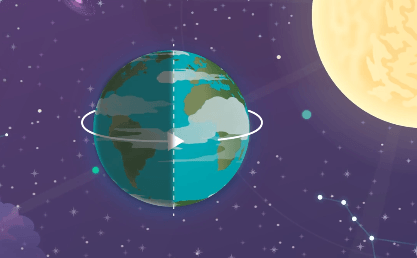

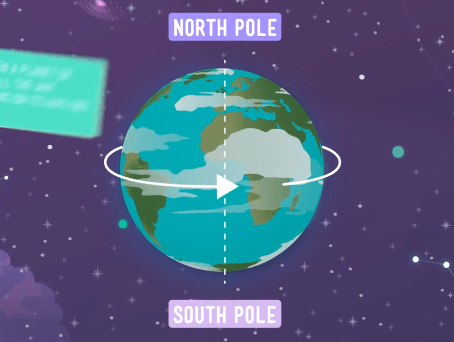
Revolution is
the motion of Earth around the sun
an object's motion around its own axis
The beginning of spring and autumn, when we receive an equal amount of sunlight and darkness.
The exact moment at which summer and winter start
Large bodies of salt water
Rain or snow
How long does it take for the Earth to complete one full rotation around it's axis?
24 hours
12 hours
6 hours
How long does it take the Earth to do the revolution movement?
365 days
24 hours
24 hours + 6 hours
28 days
What happens to our day and night hours on December 21st (Winter Solstice)?
Days are longer and nights are shorter.
Days and nights are 12 hours.
We probably have eclipses.
Days are shorter and nights are longer.
What happens to our day and night hours on June 21st (Summer Solstice)?
Days are shorter and nights are longer.
Days and nights are 12 hours.
We probably have eclipses.
Days are longer and nights are shorter.
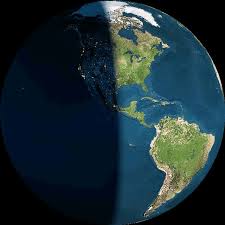


How long does the Earth take to complete an orbit around the Sun?
1 year
24 hours

What are the consequences of revolution and the tilt of our planet?
Day and de night
Seasons
Shadows
Most of the water on Earth is __________.
fresh water
ground water
salty water
standing water
Most of Earth's freshwater is found ...
in rivers
frozen in the form of snow, glaciers, and ice caps
in groundwater stored in cracks and spaces of soil and underground rock
in lakes
Salinity is the measure of how salty water is.
True
False
What are the two kinds of water that exist on Earth?
Freshwater
Saltwater
Sugarwater
Bluewater
Freshwater makes up how much of the Earth's water supply?
97%
75%
25%
3%
Saltwater makes up how much of the Earth's water supply?
97%
75%
25%
3%

Oceans are
Freshwater
Saltwater

Rivers are
Freshwater
Saltwater
Where can water be found in a SOLID state on Earth?
glacier
waterfall
cloud
steam

