
 Worksheets
Biology Quiz 1 2023
Total questions: 30
Worksheet time: 20mins


What is an independent variable?
the variable that changes because another variable changes
independent variables are only found on pie charts.
a variable most often found on the y-axis
the variable the experimenter manipulates or has control over
The variable that is measured throughout the experiment is the ________________
Hint: What you are testing and change as a result of your testing.
Controlled Variable
Responsive Variable
Dependent Variable
Independent Variable

What organelle is #1?
Mitochondria
Centriole
Nucleus
Golgi Body
What is one of the functions of lipids?
Storing genetic information
Long Term Energy
Short Term Energy
Acting as chemical signals
Homeostasis
allows for a wildly fluctuating internal environment
is impossible in vertebrates
is the maintenance of a relatively stable internal environment and often incorporates a form of feedback regulation
What is the definition of Biology?
The study of rocks, minerals, and tectonics.
The study of planets, stars, and galaxies.
The study of life including cells, animals, and plants.
The study of computers, mobile devices, and Bluetooth.
When should you notify the teacher if something goes wrong in the lab?
immediately
at the end of class
have your mom email the teacher later
never
After a natural disaster occurs, a good scientist will
hide under the desk
ask good questions
run far away
play video games

How many more females use Snapchat compared to males?
29
15
14
44

Mary is recording her plant's growth in a journal. How many inches has the plant grown from week 1 to 7?
22
18
14
What do living things have in common?
1. grow and develop
2. reproduce
3. use/need energy
4.respond to environment
5.made up of cell(s)
6.maintain homeostasis
1.Breathe
2. reproduce
3. use/need energy
4. Move
5. made up of cell(s)
6.maintain homeostasis
1. Stay the same size
2. reproduce
3. use/need energy
4.respond to environment
5.made up of cell(s)
6.maintain a temperature of 98.6 F
1. grow and develop
2. Breathe
3. use/need energy
4.Move through their environment
5.made up of cell(s)
6.maintain homeostasis
Which type of graph would be most appropriate to use if you wanted to show how the height of a person changed from birth until age 20?


None of the above
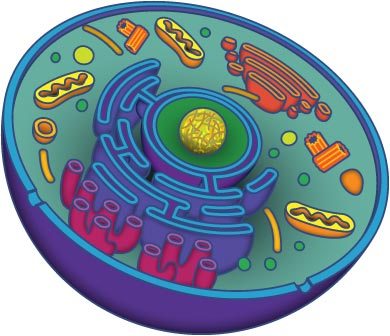
Unicellular organism that lacks a nucleus
Prokaryotic Cell
Eukaryotic Cell
Organism whose cells contain a nucleus
Prokaryotic Cell
Eukaryotic Cell
Converts solar energy to chemical energy stored in food
nucleus
mitochondria
chloroplast
endoplasmic reticulum
Powerhouse of the cell
nucleus
mitochondria
chloroplast
endoplasmic reticulum
What structures do all cells have in common?
cytoplasm
Ribosomes
DNA
cell membrane
nucleus
What do plant cells have that animal cells do not?
Chloroplasts
Cell wall
Large vacuoles
Nucleus
ribosomes
Multicellular organisms are made up prokaryotic cells.
True
False

Has NO nucleus
prokaryotic
eukaryotic
both
none of these

Contains cytoplasm
prokaryotic
eukaryotic
both
neither

Contains membrane bound organelles.
prokaryotic
eukaryotic
neither
both

