
 Worksheets
Year 8 Science
Total questions: 57
Worksheet time: 36mins
It refers to the space that matter occupies.
volume
mass
weight
density
It is the amount of matter in an object.
volume
mass
weight
density
Which of the following determines an object’s ability to float in water?
volume
mass
weight
density
Matter is
Anything that has volume
Anything that has mass
Anything that has mass and volume

What state of matter does the picture below represent?
solid
liquid
gas
plasma
What is a Solid?
Matter that has a fixed shape and size.
Matter that has a fixed size and no fixed shape
Matter that has no fixed shape or size
Matter that has no fixed shape and size
The state of matter that keeps its shape and volume when it is placed in a different container is called ______.
gas
liquid
solid
The state of matter that expands to fill its container is called ______.
gas
liquid
solid
What is matter made up of?
particles that are too large to be seen
tiny butter particles
particles that are too small to be seen
tiny water particles
Which state of matter has its own shape
Gas
Solid
LIquid

The diagram shows arrangement of particles in a
Solid
Liquid
Gas
Define a liquid.
Matter that has fixed shape but no fixed volume
Matter that has fixed shape and fixed volume
Matter that has fixed volume, but no fixed shape

The particles in the picture are tightly held together with very tiny movement. They have shape and fixed volume. Therefore, the picture represents _________.
solid
liquid
gas
plasma
In which state of matter will there be the LARGEST space between molecules?
Solid
Liquid
Gas
The measure of how much space something takes up is ______.
matter
mass
volume
density
What is a gas?
Matter that has fixed shape but no fixed volume
Matter that has no fixed shape and no fixed volume
Matter that has no fixed shape but fixed volume
compounds

What state is represented in the gif?
Solid
Liquid
Gas



How does acid tastes
Sweet
Bitter
Salty
Sour

Which acid is present in orange
Tartaric acid
Malic acid
Citric acid
Acitic acid
Which acid is present in your stomach
Naoh
Sulpher
Hcl
Salt
How does base tastes
Sour
Salty
Bitter
Sweet
If the soil is acidic what we should do to make it neutral
Add salt
Add acid
Add base
Add sugar
Acid + base =
(a)
Which is a natural indicator
Phenoptyalin
Sulpher
Litmus
Naoh
Which is not a natural indicator
Litmus
Turmeric
China rose
Phenoptyalin
When acid is added to blue litmus paper the colour is
Red
Blue
Green
Yellow
If the ph value is 5 what is the substance
Acid
Base
Neutral
Sweet
Complete the following word equation:
Metal + Acid -->
Salt + water
Salt + hydrogen
Salt + Water + Carbon dioxide
Complete the following word equation:
Metalcarbonate + acid -->
Salt + Hydrogen
Salt + Water + Carbon Dioxide
Salt + Water
How do you remove the water to leave solid copper sulfate crystals?
Filter
Evaporate
Distill
What does the word insoluble mean?
Does dissolve
Doesn't dissolve
Is part of a solid
What type of reaction produced an insoluble salt?
Neutralisation reaction
Precipitation reaction
Titration reaction
Insoluble reaction

Which salt would be formed by reacting cobalt carbonate and hydrochloric acid?
Cobalt sulfate
Cobalt chloride
Cobalt hydroxide
Cobalt sulfide
When a soluble salt is formed from an acid and an insoluble base, how do you know when an excess of a base has been added?
When bubbles of gas appear
When the reactant all dissolves
When some of the reactant is left unreacted/undissolved
When a colour change happens
Why do you add excess of the insoluble reactant when making a soluble salt?
To make sure all the acid is used up
To separate the solid from the solution
To make sure a reaction occurs
To have the reaction happen faster
How do you separate an excess insoluble reactant from a solution?
Filtration
Precipitation
Crystalisation
Evaporation
Which two chemicals could you react to make only potassium chloride and water?
Potassium and hydrochloric acid
Potassium hydroxide and hydrochloric acid
Potassium oxide and sulfuric acid
Potassium and sulfuric acid
When producing a soluble salt in a reaction between an acid and an alkali, how can you prepare dry solid crystals from the solution?
Filtration
Neutralisation
Condensation
Evaporation/crystallisation
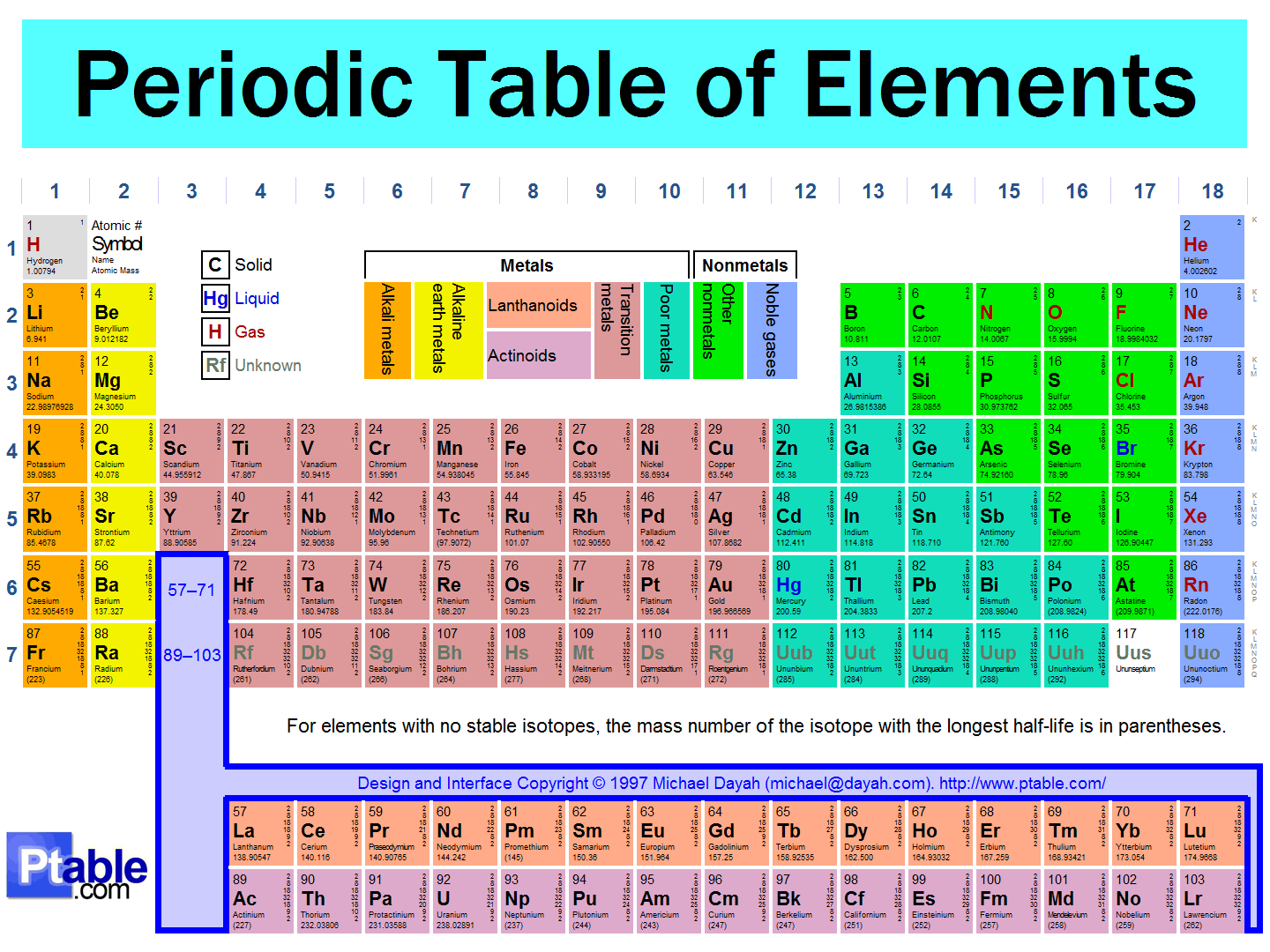
What is the symbol for Copper?
C
co
Cu
CU
_________________ + nitric acid --> calcium nitrate + water
calcium sulfate
calcium oxide
calcium carbonate
calcium
Crystallisation is used to separate ____ from a liquid.
undissolved liquid
dissolved liquid
undissolved solid
dissolved solid

