

Wayground logo

Free Printable Worksheets

Font size

S
M
L
XL
Worksheets

Nationalism+ Industrial Revolution

Total questions: 16

Worksheet time: 15mins

Name
Class
Date
1.
This nation took the lead in the unification of Germany
a)
Austria
b)
Bavaria
c)
Prussia
d)
Holstein
2.
Which of these is a term for the political strategy used by Bismarck to gain the support of the people?
a)
Realpolitik
b)
Anschluss
c)
Operation Enduring Freedom
d)
Hearts and Minds
3.
The strongest of the German states were
a)
Alsace-Lorraine
b)
Naples and Venetia
c)
Russia and Sweden
d)
Prussia and Austria
4.

Who was the Italian military commander that gained control of Sicily, overthrew the King in Naples, and joined with Northern Italy? He was instrumental in the unification of most of the Italian Peninsula (not Rome and Venetia). He was known as the "Sword of Unification."

a)

Count Cavour

b)

Giuseppe Garibaldi

c)

Giuseppe Mazzini

d)

Otto Von Bismarck

5.

Transportation in the 1800s was revolutionized by the development of the

a)

caravel

b)

astrolabe

c)

airplane

d)

steam engine

6.

Which phrase best illustrates the theory of laissez-faire capitalism?

a)

businesses operating with little government regulation

b)

the state establishing production quotas

c)

central planning committees setting prices on goods

d)

decisions related to distribution being based on community traditions
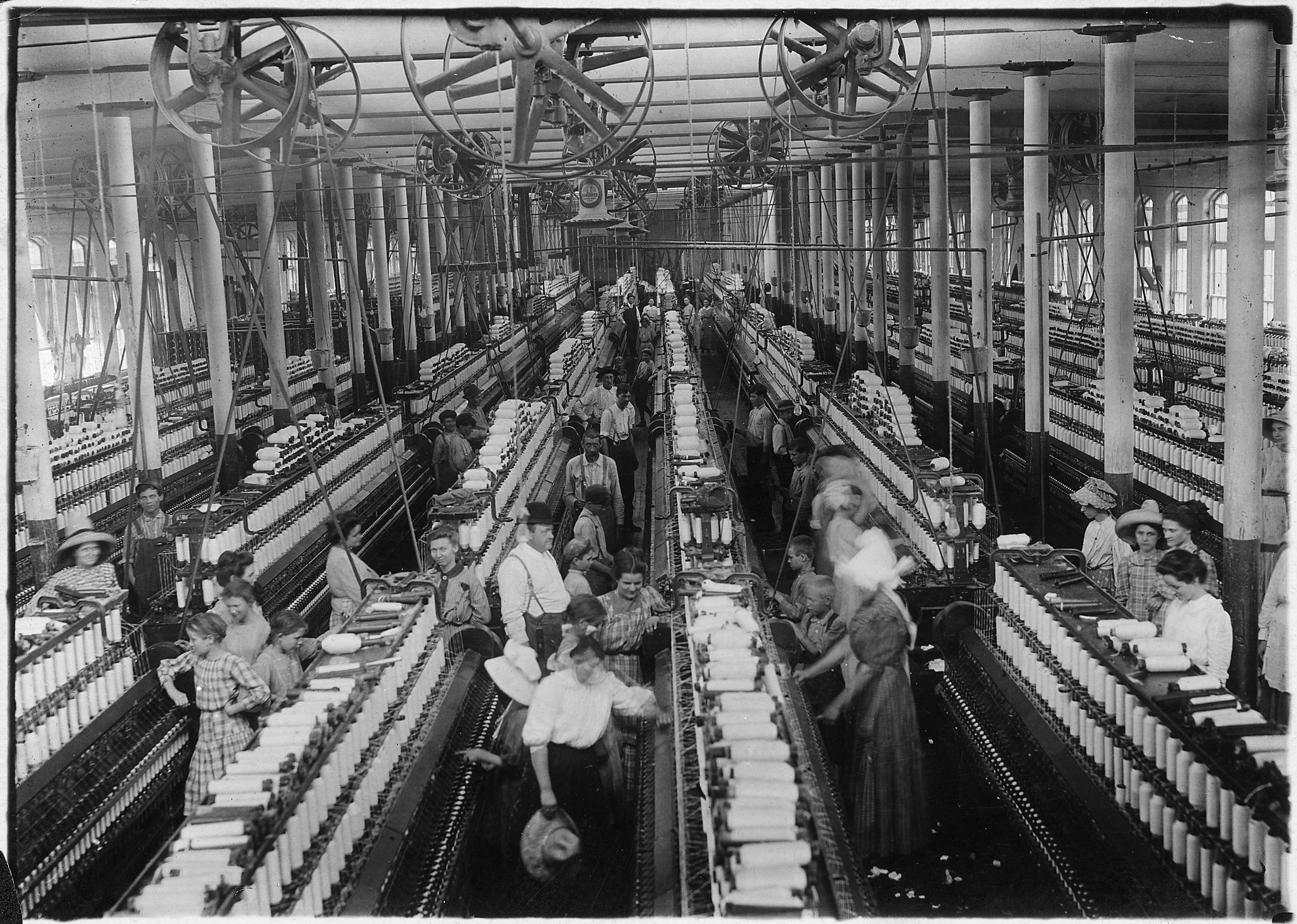
7.
What are identical components that can be used in place of each other?
a)
Interchangeable parts
b)
Factories
c)
Dynamos
d)
Assembly Lines
8.
Mass production led to:
a)
Products being more superior in quality
b)
goods became less expensive
c)
laborers received higher wages
d)
industries moved to rural areas
9.
Why did people move to the cities during the Industrial revolution?
a)
Jobs in factories
b)
Jobs on the farm
c)
Family
d)
Friends
10.
How did the Industrial Revolution affect the cities?
a)
Made the crime rate decrease
b)
Led to an increase in farm workers
c)
Make the cities cleaner and safer
d)
Led to an increase in population in the cities
11.
Where were most factories built before the steam engine was invented?
a)
in the mountains
b)
in the desert
c)
along rivers
d)
anywhere
12.
What were living conditions in the city like during the Industrial Revolution?
a)
Very extravagant
b)
Strict housing regulations
c)
Spacious and luxurious
d)
Crowded and unsanitary
13.

Adam Smith’s Wealth of Nations stressed the importance of

a)

tradition

b)

supply and demand

c)

large corporations

d)

government ownership

14.

Karl Marx predicted that laissez-faire capitalism would result in

a)

a return to manorialism

b)

a revolution led by the proletariat

c)

fewer government regulations

d)

an equal distribution of wealth and income

15.

Which two major ideas are contained in the

writings of Karl Marx?

a)

survival of the fittest and natural selection

b)

class struggle and revolutionary change

c)

separation of powers and checks and balances

d)

monotheism and religious tolerance

16.

What was one effect of the French Revolution?

a)

Differences between ethnic groups were eliminated.

b)

Communism became popular.

c)

Militarism was discouraged.

d)

Nationalistic feelings were stimulated.
