
 Worksheets
Food Safety, Kitchen Safety, and Kitchen Equipment Quiz
Total questions: 40
Worksheet time: 1hrs 3mins

The freezer should be kept at what degrees?
0 degrees F
15 degrees F
20 degrees F
-10 degrees F

Leftover food can be kept in the refrigerator for how many days?
7 days
1 week
2 -3 days
3-4 days

What is the temperature range of the Temperature Danger Zone?
20F - 80F
70F - 90F
40F - 140F
60F - 120F

What is Thawing?
Process of taking a frozen item to a temperature where there is no ice.
Cooking technique that exposes ingredients to a high temperature.
Cooking process which food is scalded.
Process in transferring bacteria from one point to another.

What is one of the best ways to prevent the spread of germs?
When tasting food, you can use your spoon as often as you want.
Wear any type of gloves that you can find.
Comb your hair then go back to cooking.
Tie back long hair.

What is one sign of spoiled food?
Perfect texture.
Vibrant color
Glossy sheen
Rising air bubbles

Which government agency is responsible for protecting public health by ensuring the safety of people.
S.S.S.
D.M.V.
F.D.A.
T.S.A.

What is one way how to thaw food properly?
Put it on a countertop and leave it till it drops to 40F and above.
Leave your frozen food on the water for at least 4 hours.
After thawing food in the microwave, cook it immediately.
Thaw it till it reaches the Temperature Danger Zone.

What to wear inside the kitchen area.
Latest fashion wear.
Slippers or flip flops.
Closed toes and nonslip shoes.
Wear anything that's big and loose.

What to do when working with raw meat, poultry, fish, or eggs?
Immediately cook and don't wash the meat, poultry, fish, and eggs.
Use the same cutting boards for everything to save time.
Use one wet towel for everything.
Wash kitchen equipment after each use.
Match the following (Kitchen Hazards)

Burns and Fire

Electric Shock

Cuts and Knife Safety

Cross Contamination

Slip and Fall

It is an illness that we get from eating contaminated food.
Contamination Illness
Food Poisoning
Foodborne Illness
Hazard Illness

It is the freedom from any risk of harmful effects to a person's well-being and health.
Contamination
Hazard
Sanitation
Safety

How can you prevent spilling hot liquids?
Use a hair tie to keep long hair out of the way
Turn the pot handles inward so that they are not sticking out and of your way.
Take off your bulky sweater
Wear gloves.

When should you wash your hands?
After taking out the trash
After handling dirty equipment and utensils
Before handling raw meat
All of the above

Which of the following is the safest way to thaw meat?
On the counter
In the sink
Inside the fridge
Next to a heater.

You should never wear ______ during cooking days.
Open-toe shoes.
Bracelets or rings
Baggy clothes
All of the above

_______ are harmful bacteria that gets into our food and makes it unsafe for us to eat
Physical objects
Contaminants
Carbohydrates
Fats
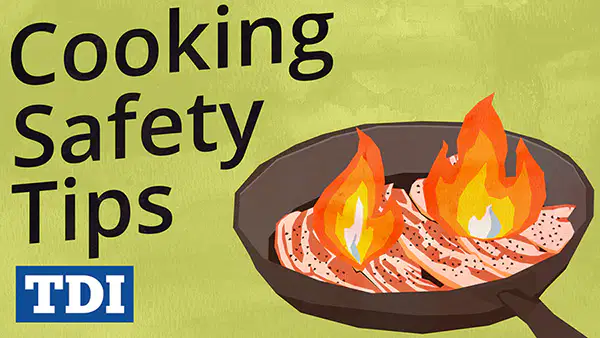
Which is the right way when cooking?
Remove dangling jewelries
Tie back long hair
Do not wear open toe shoes.
All of the above

Proper ____ prevents illness through cleanliness and food safety
Carbohydrates
Sanitation
Food Borne Illness
Contaminants
How does bacteria travel?
Walk
Cross Contamination
Take the Metro
Bus
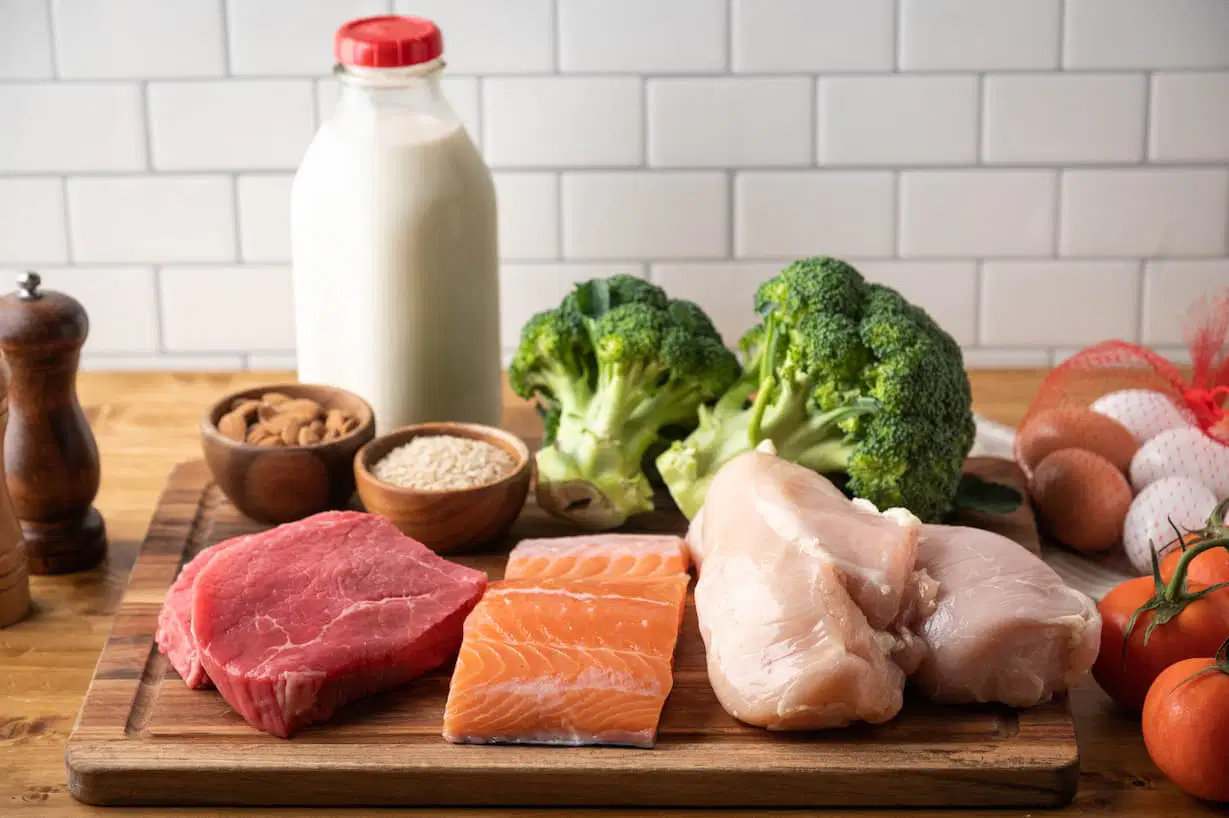
How should we avoid cross contamination?
Proper Sanitation
Wash your hands.
Keep pets away from the kitchen.
All of the above

Which one is NOT a symptom of Food Borne Illness?
Nausea
Diarrhea
Stomach Pains
Allergic Reaction

Bacteria that can be found in dairy products, uncooked meat, and fresh produce.
Listeria
Allergens
Salmonella
E. Coli
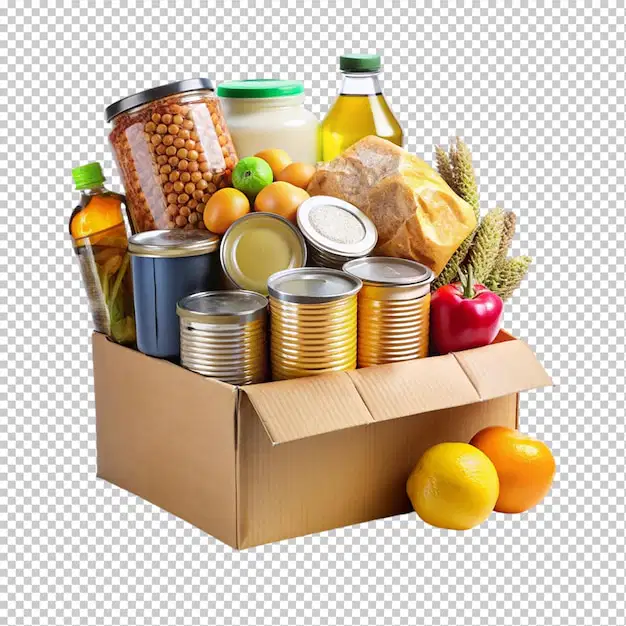
Which one is NOT a perishable item...
Vegetables
Eggs
Fruits
Sugar

What is the range of the Temperature Danger Zone?
20F to 90F
40F to 140F
0F to 120F
40F to 120F
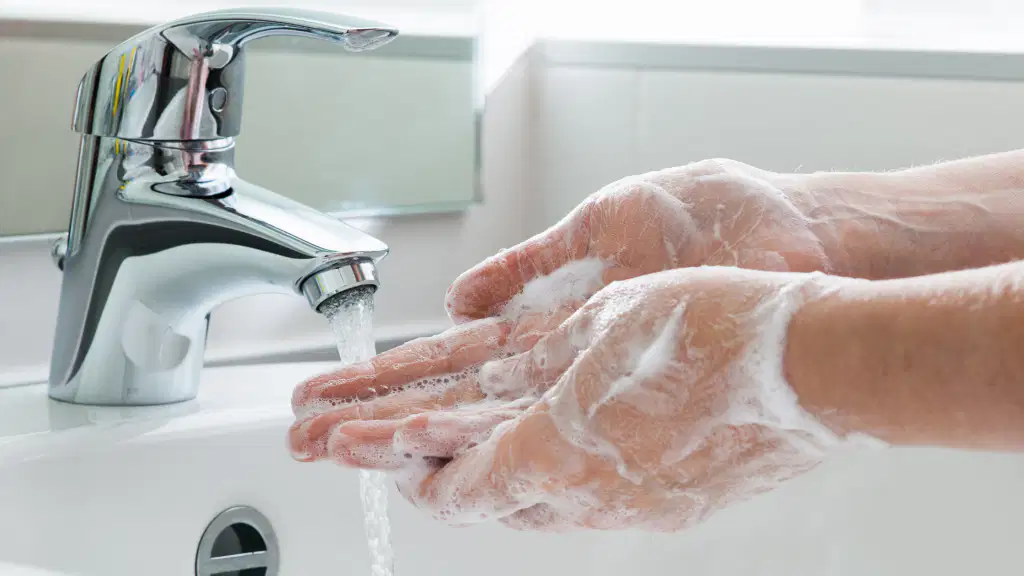
How many seconds do you need to wash your hands?
10
15
5
20
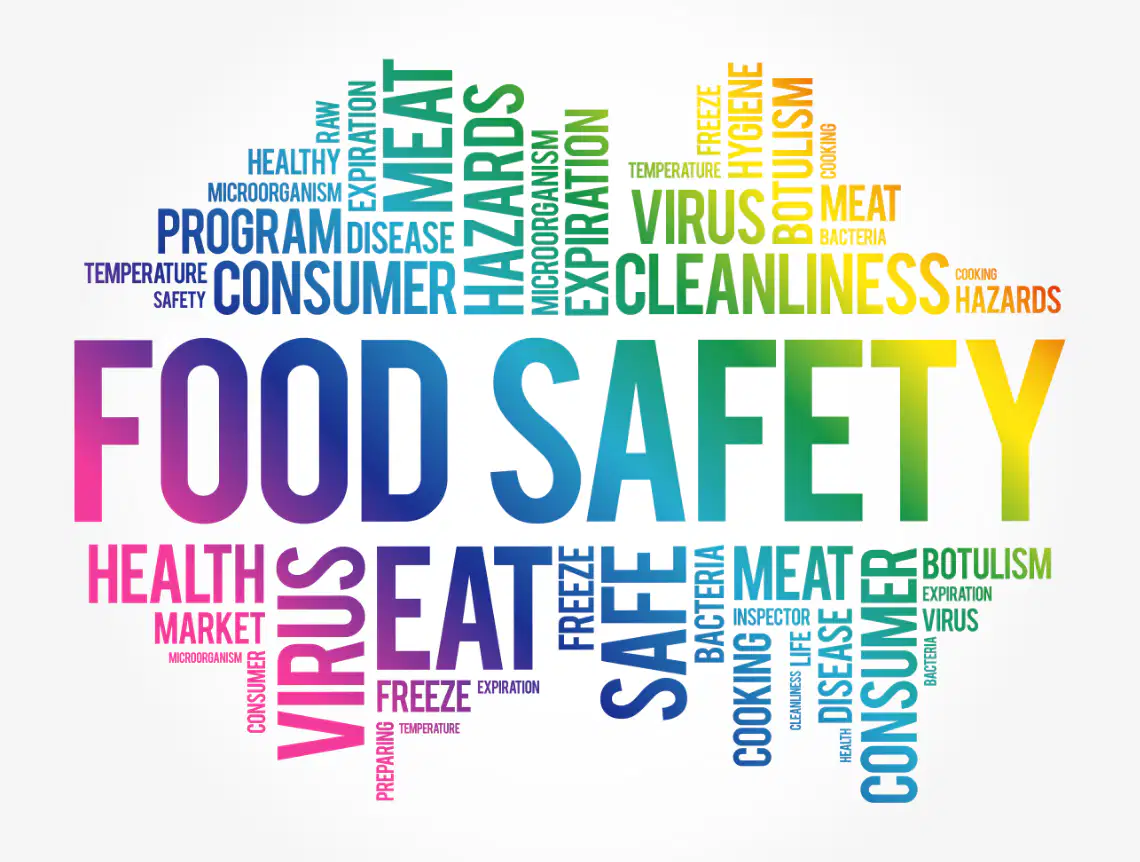
What is not a part of the 4 Food Safety Practice?
Cook
Separate
Clean
Wash

Which is not a symptom of Food Borne Illness?
Fever
Nausea
Diarrhea
Allergy

Never leave food out of the refrigerator for more than ____ hours.
1
2
3
4

Which is not a Kitchen Safety Hazard?
Burns
Cross Contamination
Allergies
Cuts

Range that is smooth, flat, and is used for cooking breakfast, searing, and more.
Stove
Griddle
Convection Oven
Salamander
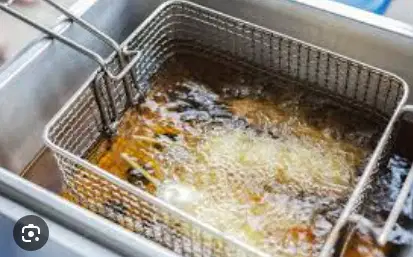
Method of cooking food in fat.
Pan Frying
Deep Fryer
Stove
Oven
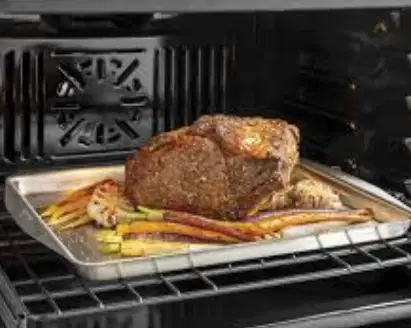
Introduce air circulation into the oven.
Induction
Insulation
Convection
Disilation
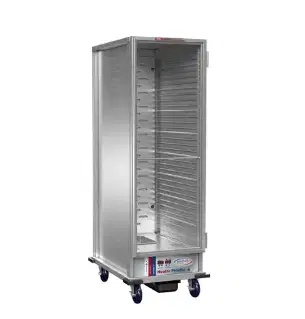
Oven that can be used to hold food for a long period of time.
Eased Oven
Convection Oven
Holding Oven
Raised Oven
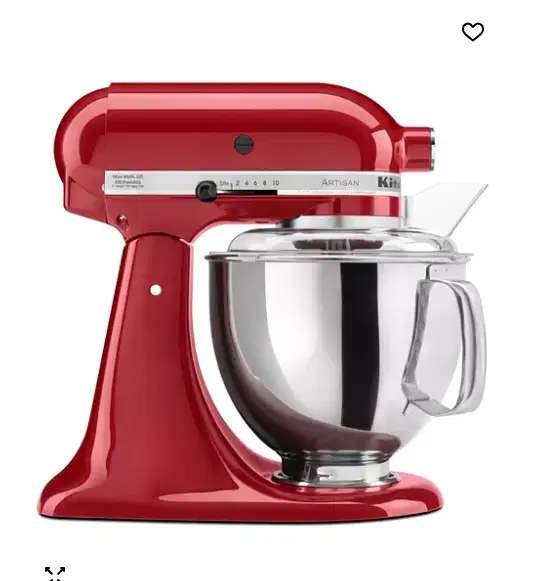
What is this small equipment?
Blender
Manual Mixer
Bermixer
Stand Mixer
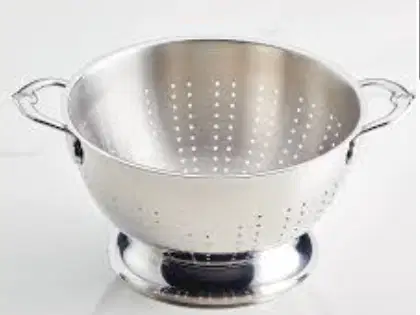
What is this utensil?
Mixer
Sifter
Colander
Blender
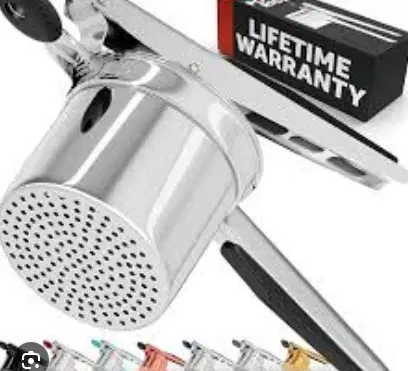
What is this utensil?
Mixer
Ricer
Sifter
Colander
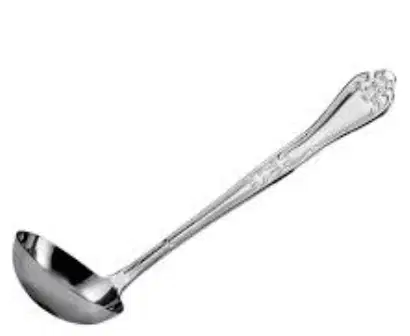
What is this utensil?
Spoon
Boiler
Spatula
Ladle
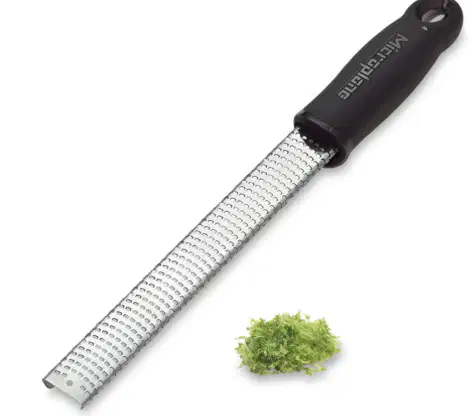
What is this utensil?
Ladle
Masher
Zester
Scooper

