
 Worksheets
Art movement 2
Total questions: 96
Worksheet time: 49mins


Salvador Dali was associated with which art movement?
Baroque
Surrealism
Impressionism
Pop Art
Renoir, Cassatt, Monet are all associated with this movement...
Impressionism
Minimalism
Cubism
Op Art
Which movement is Pablo Picasso associated with?
Cubism
Op Art
Baroque
Minimalism


Which artistic movement is this painting from?
Italian Renaissance
Northern Renaissance
Baroque
Neoclassicism

Art Style?
Surrealism
Realism
Post Impressionism
Cubism

Marilyn Monroe, 1967 by Andy Warhol
Impressionism
Cubism
Pop Art
Surrealism

This movement was concerned on capturing the impression of light and objects and scenery and was made famous by Claude Monet.
a. Abstractionism
b. Expressionism
c .Impressionism
d. Abstract Expressionism
5.What particular movement of art does Vincent Van Gogh and Paul Cezanne has taken?
a.Impressionism
b.Post Impressionism
c.Expressionism
d.Abstract Expressionism
8.The art critic Louis coined the term impressionist from a painting entitled impression, solei levant ( Impression ,Sunrise ) But who painted it?
a.Claude Monet
b.Paul Cezanne
c.Vincent Van Goh
d.Andy Warhol
9.What are the Principle of design?
a. Separating colors to create a pattern.
b.Repeating lines, shapes or other elements to create pattern
c.Similar elements that helps arrange the ingredients of design
d.Unity,Balnce,Contrast ,Emphasis ,Repetition


Guess which era this artwork belongs
PREHISTORIC ART
ROMAN ART
MODERN ART
CONTEMPORARY ART
this era focuses on self expression and emotional attitudes
Greek art
Roman Art
Modern Art
Contemporary art
James Pollock is a famous artist of_____
Greek Art
Roman Art
Modern Art
Contemporary Art
Why did prehistoric men paint images on cave walls?
To mark their territory
To celebrate feasts
To worship their gods
the purpose is unknown
What is the main focus of Sustainable Development Goals 11 of the United Nations?
To preserve Heritage sites
To protect the rights of the indigenous people
To safeguard artists from exploitation
To protect the environment

Mary Cassat's own parents did not support her career path as an artist because
(a)

Van gogh lived during the
starving artist's period
Japanese war
1750s
1810
Practice of painting out of doors and spontaneously ‘on the spot’. What is this modern art form?
Impressionism
Expressionism
Dadaism
Surrealism
Modern art form that does not attempt to represent an accurate depiction of a visual reality but instead use shapes, colors, forms and gestural marks to achieve its effect.
Dadaism
Cubism
Surrealism
Abstract

What is this modern art form?
Cubism
Impressionism
Surrealism
Dadaism

IDENTIFY THE ART MOVEMENT OF THE ART PIECE SHOWN
Dada
Fauvism
Surrealism
Impressionism
Pop Art

IDENTIFY THE ART MOVEMENT OF THE ART PIECE SHOWN
Expressionism
Fauvism
Impressionism
Surrealism
Pop Art
People who share the same language and live in the same area can have a different culture:
True
False
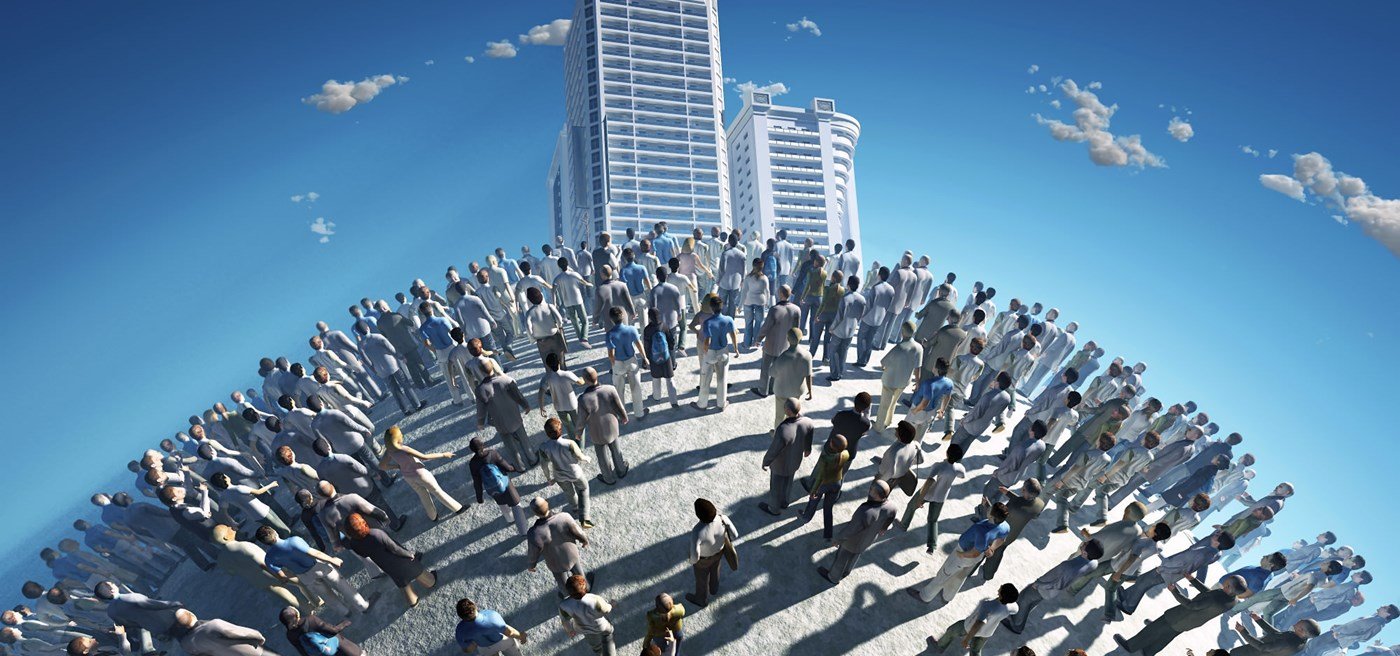
There can be a culture without a society
True
False

Yin-Yang is about...
health
Chinese culture
recycling
Duality in life (night and day)
fun in life

Who said the following statement: "straight lines and circles are not only beautiful but eternally and absolutely beautiful."
Aristotle
Socrates
Alexander the Great
Plato
Uses geometric shapes that over time create a pure level of abstraction.
Cubism
Optical Art
Pop Art
Surrealism
An extreme form of abstract art developed in the USA in the 1960s and typified by artworks composed of simple geometric shapes based on the square and the rectangle.
Dadaism
Cubism
Art Nouveau
Minimalism
It includes geometric shapes in flat planes to create clean and straightforward compositions. Many people use the term "pure" to describe it.
Abstract Art
Fauvism
Non-objective Art
Minimalism
A modern art movement characterized by immersive, larger-than-life works of art and made in specific places.
Fauvism
Non-Objective art
Installation art
Optical art
Marcel Duchamp is the forefather of optical art
True
False
A twentieth-century literary, philosophical and artistic movement that explored the workings of the mind, championing the irrational, the poetic, and the revolutionary
Symbolism
Surrealism
Neo-Impressionism
Expressionism
Impressionism is known for depicting overall visual effects rather than specific details, and for using short, "broken" brush strokes of mixed and unmixed color to generate a strong color vibration effect.
True
False
characterized by exaggerated motion and clear detail used to produce drama, exuberance, and grandeur in sculpture, painting, architecture, literature, dance, and music. Its iconography was direct, obvious, and dramatic, intending to appeal above all to the senses and the emotions.
Contemporary Art
Classicism
Baroque
Prehistoric Art
Renaisance
an aesthetic attitude dependent on principles based in the culture, art and literature of ancient Greece and Rome, with the emphasis on form, simplicity, proportion, clarity of structure, perfection, restrained emotion, as well as explicit appeal to the intellect.
Mannerism
Classicism
Romanesque
Gothic Art
The term used for art of the present day is
Rococo
Prehistoric Art
Renaisance
Contemporary Art
The type of art produced where artifacts made before there was a written record is called
_Prehistoric Art
Baroque
Classicism
im ulo arts
art, painting, sculpture, architecture, music, and literature produced during the 14th, 15th, and 16th centuri in Europe under the combined influences of an increased awareness of nature, a revival of classical learning, and a more individualistic view of man.
Mannerism
Gothic Art
Renaisance
Rococo
derived from the French word rocaille, which denoted the shell-covered rock work that was used to decorate artificial grottoes.
Rococo
Classicism
Renaisance
Contemporary Art
A time of artwork that was characterized by iconographic painting illustrations of Biblical scenes
(a)
sculpture was closely tied to architecture, since it was used primarily to decorate the exteriors of cathedrals and other religious buildings. The earliest sculptures were stone figures of saints and the Holy Family used to decorate the doorways, or portals, of cathedrals in France and elsewhere.
Mannerism
Classicism
Romanesque
Gothic Art
typically associated with attributes such as emotionalism, elongated human figures, strained poses, unusual effects of scale, lighting or perspective, vivid often garish colors.
Medieval Art
Gothic Art
Mannerism
Classicism
Churches used ____art, largely painting and sculpture, to communicate important things. For one, art was used as visual reminders of biblical stories, which helped teach the faith to an illiterate population
Medieval Art
Gothic Art
Mannerism_
Romanesque
There is a distinction between Form and Content.
True
False

Which of the following deals with the study of themes and symbols in art?
Subject
Form
Iconography
Content
Which of the following is the "what" of a work of art? (people, places, things, events.)
Subject
Form
Iconography
Content
Which of the following is the "why" of a work of art? ( emotional, intellectual, psychological)
Subject
Content
Form
Iconography
Which of the following is the "how" of art? (how it looks and how it is made)
Subject
Content
Form
Iconography
Which of the has more than one definition?
Subject
Content
Form
Iconography
What type of lines imply movement?
Diagonal
Horizontal
Vertical
None of these
What do vertical lines tell us?
Rest
Direction
Alertness
Nothing
Which of these is NOT a function of a line?
Shading and Modeling
Texture
Outline and Contour
Shaping
What relates to people, places, and things in art?
subject
form
iconography
content

In art, what is this image known as?
Shape
strict figure-ground relationship
figure-ground reversal
Shading and Modeling
Which deals with the appearance of objects?
subject
form
iconography
content

What type of form of mass is this image?
closed form
open form
Which of the following is not a function of a line
direction and movement
texture
shading and modeling
figure-ground relationship
Which uses symbols and themes in art
subject
form
iconography
content
This is a tendency or style in art with a specific common philosophy or goal, followed by a group of artists during a particular period, (usually a few months, years, or decades) or, at least, with the heyday of the movement defined within several years.
Artistry Movement
Art Movement
Art Performance
Art Manner
These are the defining characteristics of Impressionism except for ONE
Thin and defined brushstrokes
Focus on Light
Distinctive Color Palette
Creative Cropping
This is an art movement that rejected the rigid rules of fine arts that showcased realistic portrayals of the surroundings which are often found outside.
Cubism
Expressionism
Impressionism
Post Impressionism
This art movement argues that art should focus more on the underlying message and contents rather than on its mere aesthetics.
Fauvism
Post Impressionism
Impressionism
Expressionism
Rather than employ subject matter as a visual tool or means to an end, Post-Impressionists perceived it as a way to convey feelings. According to Paul Cézanne, “a work of art which did not begin in emotion is not a work of art.”
Everyday Subjects
Emotional Symbolism
Evocative Color
Thick Brushstrokes
These are the defining characteristics of Post-Impressionism except for ONE
Distinctive Brushstrokes
Evocative Color
Emotional Symbolism
Creative Cropping
The style of this art movement is characterized by fragmented subject matter deconstructed in such a way that it can be viewed from multiple angles simultaneously.
Pop Art
Expressionism
Surrealism
Cubism
These are the three phases of Cubism except for ONE
Analytic Cubism
Proto Cubism
Scientific Cubism
Synthetic Cubism
Characterized by chaotic paintings of fragmented subjects rendered in neutral tones. The fractured forms often overlap with one another, displaying the subject from multiple perspectives at once.
Analytic Cubism
Proto Cubism
Scientific Cubism
Synthetic Cubism
An American art movement—the first to explode on an international scale—that started after World War II. It solidified New York as the new center of the art world, which had traditionally been based in Paris.
Surrealism
Abstract Expressionism
Impressionism
Pop Art
With its imaginative imagery, experimental artistic approach, and subconscious-inspired subject matter, this art movement may seem like a difficult genre to grasp.
Expressionism
Cubism
Fauvism
Surrealism
A pivotal movement that heralds the onset of contemporary art. This post-war style emerged in Britain and America, including imagery from advertising, comic books, and everyday objects.
Pop Art
Cubism
Fauvism
Surrealism

This Art is an example of what Art Movement?
Abstract Expressionism
Cubism
Fauvism
Surrealism

Salvador Dali's "The Persistence of Memory" is an example of what art movement?
Expressionism
Pop Art
Surrealism
Impressionism

The Starry Night by Vincent Van Gogh is an example of what Art Movement?
Fauvism
Post-Impressionism
Impressionism
Surrealism
characterized by exaggerated motion and clear detail used to produce drama, exuberance, and grandeur in sculpture, painting, architecture, literature, dance, and music. Its iconography was direct, obvious, and dramatic, intending to appeal above all to the senses and the emotions.
Contemporary Art
Classicism
Baroque
Prehistoric Art
Renaisance
characterized by exaggerated motion and clear detail used to produce drama, exuberance, and grandeur in sculpture, painting, architecture, literature, dance, and music. Its iconography was direct, obvious, and dramatic, intending to appeal above all to the senses and the emotions.
Contemporary Art
Classicism
Baroque
Prehistoric Art
Renaisance
an aesthetic attitude dependent on principles based in the culture, art and literature of ancient Greece and Rome, with the emphasis on form, simplicity, proportion, clarity of structure, perfection, restrained emotion, as well as explicit appeal to the intellect.
Mannerism
Classicism
Romanesque
Gothic Art
The term used for art of the present day is
Rococo
Prehistoric Art
Renaisance
Contemporary Art
The type of art produced where artifacts made before there was a written record is called
_Prehistoric Art
Baroque
Classicism
im ulo arts
art, painting, sculpture, architecture, music, and literature produced during the 14th, 15th, and 16th centuri in Europe under the combined influences of an increased awareness of nature, a revival of classical learning, and a more individualistic view of man.
Mannerism
Gothic Art
Renaisance
Rococo
derived from the French word rocaille, which denoted the shell-covered rock work that was used to decorate artificial grottoes.
Rococo
Classicism
Renaisance
Contemporary Art
A time of artwork that was characterized by iconographic painting illustrations of Biblical scenes
(a)
sculpture was closely tied to architecture, since it was used primarily to decorate the exteriors of cathedrals and other religious buildings. The earliest sculptures were stone figures of saints and the Holy Family used to decorate the doorways, or portals, of cathedrals in France and elsewhere.
Mannerism
Classicism
Romanesque
Gothic Art
typically associated with attributes such as emotionalism, elongated human figures, strained poses, unusual effects of scale, lighting or perspective, vivid often garish colors.
Medieval Art
Gothic Art
Mannerism
Classicism
Churches used ____art, largely painting and sculpture, to communicate important things. For one, art was used as visual reminders of biblical stories, which helped teach the faith to an illiterate population
Medieval Art
Gothic Art
Mannerism_
Romanesque

The surface quality can be seen and felt. IT can be rough or smooth, soft or hard.
COLOR
FORM
LINE
TEXTURE
It is an ancient visual art form that dates back to prehistoric times that creates three-dimensional visual images, traditionally using materials such as clay, stone, ceramics, metals, or wood.
Painting
Sculpture
Literature
Architecture
It can be defined as a void, an emptiness which can either be positive or negative.
SPACE
LINE
VALUES
COLOR

Who is the painter of this artwork?
Pablo Picasso
Claude Monet
Edouard Manet
Giorgio de Chirico
Which is an example of a painting from the Romantic Era?


This sculpture is under Egyptian Era, what is its name?
Venus of Willendorf
Queen Nefertiti
Empress Theodora
Venus of Brassempouy
Which artwork would you consider to be a Surrealist artwork?



