Worksheets
Enzymes Yr9
Total questions: 20
Worksheet time: 12mins
Enzymes are an example of
lipids
carbohydrates
protein
nucleic acid
Each enzyme only has 1 substrate that will fit its active site. What is this called?
reusable
catalyst
fragile
specific

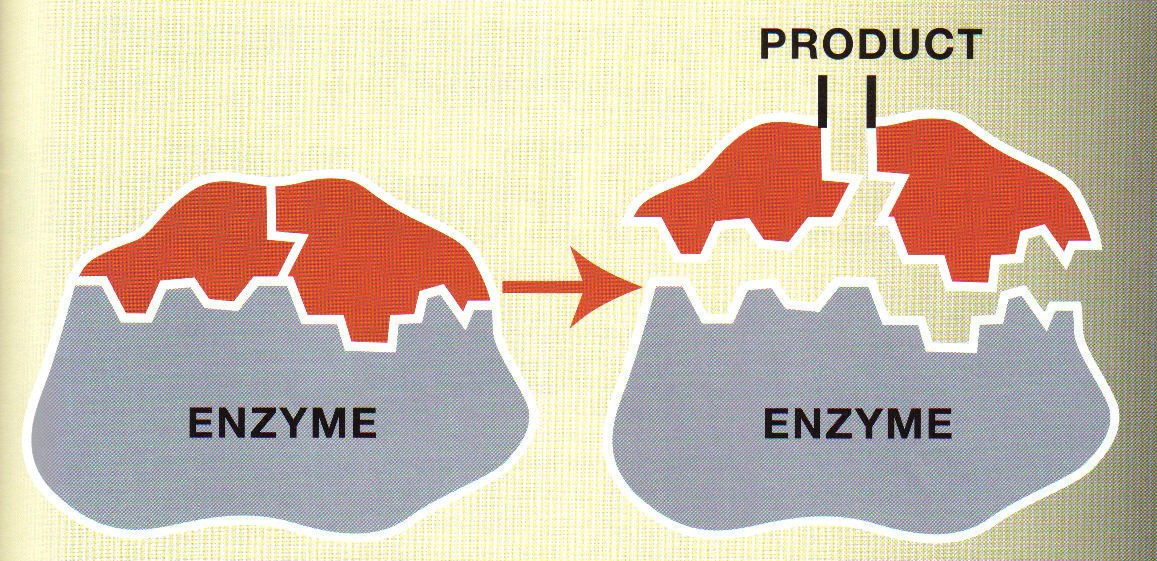
In the diagram, what is letter A?
product
enzyme-substrate complex
substrate
active site

Letter D...
enzyme
active site
substrate
products

Letter B...
substrate
active site
enzyme
products
What happens when enzymes are heated to a high temperature?
The shape of the enzyme are changed and it denatures
The enzymes die
The enzymes' amino acid sequence changes
The enzymes remain the same
Enzymes are an example of
lipids
carbohydrates
protein
nucleic acid
What is a substance called if it speeds up a chemical reaction?
reusable
catalyst
specific
fragile
Each enzyme only has 1 substrate that will fit its active site. What is this called?
reusable
catalyst
fragile
specific

When looking at the enzyme substrate model, the substrate turns into what at the end of the chemical reaction?
Nothing
It does not change
Products
Pieces
Select all enzymes
Lactase
Ribose
Lipase
Protease
Beta protein

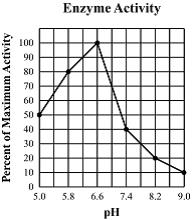
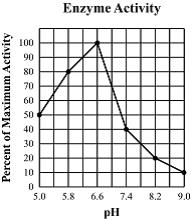
What is the optimum temperature for this enzyme?
25 degrees
45 degrees
40 degrees
32 degrees

What is the best temperature to have some enzyme activity from both of the enzymes shown?
22 degrees
37 degrees
15 degrees
29 degrees

The image highlights the location on the enzyme where the substrate binds to the enzyme. The enzyme changes shape and then perform the reaction. What is this location called where the reaction occurs?
Active Site
Enzyme-Substrate Complex
Nucleic Acid Binding Site
Enzymatic Location