
Font size
 Worksheets
REVIEW SEMESTER 1 EXAM- 2025 -SPANISH 1
Total questions: 64
Worksheet time: 1hrs 17mins
Spain and the culture of Spanish-speaking countries.
The capital of Spain is _____.
Madrid
Sevilla
Barcelona
Zaragoza
Culture of Spanish-speaking countries.
The most appropriate way to address your teachers named Jack Pooling and Malena Marr would be _____.
importante: señor= Mister, señora= Misses, señorita= Miss
Señor Poling
Señora Marr
Don Poling
Doña Marr
Poling
Marr
Hey Bro🙄
Culture of Spanish-speaking countries.
To show affection for a person named Ana, someone might call her...
Nota: the ending (suffix) name changes to: ita, ito(s)
Anita
Doña Ana
Ana
Culture of Spanish-speaking countries.
Many cultural aspects of Spanish speaking Latin American countries like the language, the Catholic religion, foods, architecture, music, etc., came from what country in Europe?
España
England
Portugal
Reorder the week days.
lunes
martes
miércoles
jueves
viernes
Place the months in order: 1 (a) 2 (b) 3 (c) 4
Place the months in order: 8 (a) 9 (b)
11 (c) 12
Alberto is meeting Violeta’s friends. Choose the missing words to complete their conversation:
Alberto: ¡Buenos (a) Violeta! ¿Quién es el (b) ?
Violeta: (c) es Raimundo. Es un (d) de clase.
Alberto: Mucho (e) . Yo me llamo Alberto.
Continuation: Alberto is meeting Violeta’s friends. Choose the missing words to complete their conversation:
Raimundo: Mucho gusto Alberto. ¿Cómo (a) ?
Alberto: Más o (b) .
Violeta: Raimundo, ¿ (c) hora es?
Raimundo: Son (d) (11:00).
Violeta: ¡Ay Caramba! Nos (e) .
Raimundo: ¡Hasta la vista!

Choose the exact time you see on the clock (11:05).
(a)

Choose the exact time you see on the clock (2:20).
(a)

Choose the exact time you see on the clock (1:00).
(a)
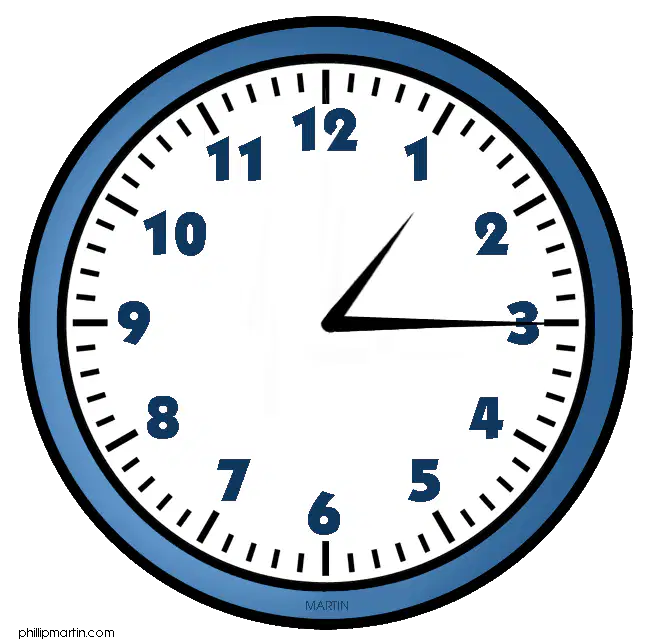
Choose the exact time you see on the clock (1:15)
Es la una y quince.
Son las una y quince.
Es la una y cinco.

Choose the exact time you see on the clock (2:30).
(a)

Choose the exact time you see on the clock (6:45).
(a)

Choose the exact time you see on the clock (7:15).
(a)

Replace the subject name "Cristina" with the appropriate subject pronoun.
ella
ellas
tú
yo

Replace the subjects "Carlos y yo" with the appropriate subject pronoun.
ella
ellas
nosotros

Replace the subjects "Elsa y Alma" with the appropriate subject pronoun.
ellos
ellas
nosotros

Replace the subjects "Federico y tú" with the appropriate subject pronoun.
ellos
nosotros
ustedes

Replace the subject "El señor Rodríguez" with the appropriate subject pronoun.
ella
él
nosotros

Replace the subject "Mis amigos" with the appropriate subject pronoun.
ellas
nosotros
ellos
Replace the subject "Federico, Ana y tú" with the appropriate subject pronoun.
ustedes
ellas
nosotros

Complete the sentence with the correct form of the VERB SER (to be) to say where the following people are from (origin).
Yo _________ de Perú.
soy
eres
es

Complete the sentence with the correct form of the VERB SER to say where the following people are from (origin).
Alberto _______ de Madrid.
eres
es
son

Complete the sentence with the correct form of the VERB SER to say where the following people are from (origin).
Claudia y Marlena ____________ de México.
son
eres
es

Complete the sentence with the correct form of the VERB SER to say where the following people are from (origin).
Usted ________ de Argentina.
son
eres
es

Complete the sentence with the correct form of the VERB SER to say where the following people are from (origin).
Tú _______ de Estados Unidos.
son
eres
soy
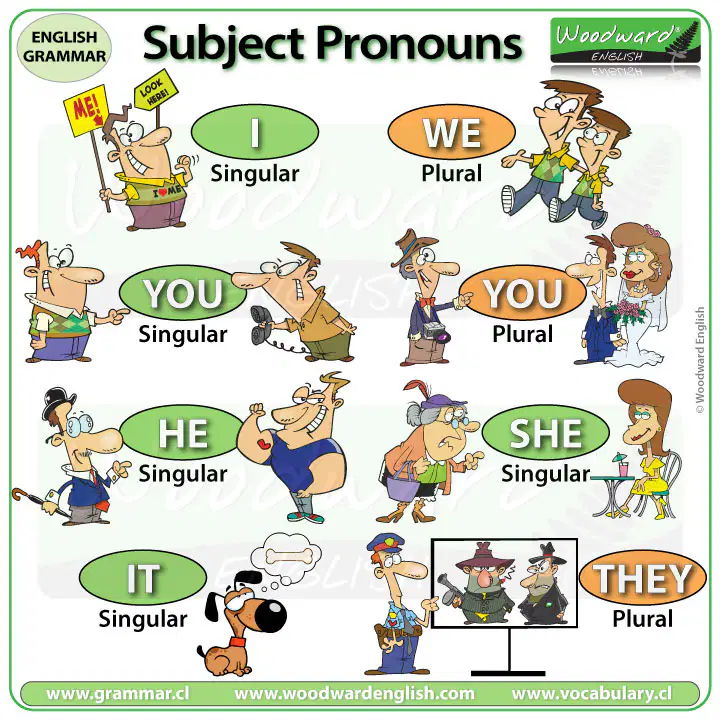
Match the subject pronouns
yo
I
tú
You (familiar/
informal)
el, ella, usted
he, she,
you (formal)
nosotros(as)
we
ellos(as), ustedes
they, you all
Read what this person say about him/herself. Then, select the sentence he/she would use to say which item he/she likes more.
Yo soy tímido.
(tímido(a)= shy)
Me gustan los libros.
Me gustan las fiestas
Read what this person say about him/herself. Then, select the sentence he/she would use to say which item he/she likes more.
Soy muy romántica.
Me gustan las películas de terror.
Me gustan las películas de amor.
Me gustan las películas de aventuras.
Read what this person say about him/herself. Then, select the sentence that says which thing he/she likes more.
Me gusta mucho la comida italiana.
Me gustan las
hamburguesas
Me gusta los espaguetis.
Me gustan las enchiladas.
Read what this person say about him/herself. Then, select the sentence that says which thing he/she likes more.
Yo no soy muy atlética.
Me gustan los
videojuegos.
Me gustan los deportes
Read what this person say about him/herself. Then, select the sentence that says which thing he/she likes more.
Yo soy intelectual y seria.
Me gusta la música de fiesta.
Me gusta la música de Beethoven.
Read what this person say about him/herself. Then, select the sentence that says which thing he/she likes more.
Me gusta la comida china.
Me gustan las verduras (vegetables).
Me gusta el helado (ice cream).
Read what this person say about him/herself. Then, select the sentence that says which thing he/she likes more.
Yo soy extrovertido (outgoing).
Me gustan las fiestas.
Me gusta el ajedrez
The OPPOSITE of tímido(a) is...
(tímido= shy )
trabajador(a)
extrovertido(a)
perezoso
The OPPOSITE of delicioso(a) is
horrible
extrovertido(a)
perezoso(a)
The OPPOSITE of trabajador(a) (hard working) is...
perezoso(a)
extrovertido(a)
bueno(a)
The OPPOSITE of simpático(a) is...
antipático(a)
atlético(a)
activo(a)
The OPPOSITE of alto(a) is...
bajo(a)
extrovertido(a)
malo(a)
The OPPOSITE of mala is...
buena
extrovertida
inteligente
activa
The OPPOSITE of divertida is...
(divertida=fun)
aburrida
cómica
atlética
Match the answer with the appropriate question:
Tengo catorce años.
¿Cuántos años tienes?
¿Cuántos años tiene tu amiga?
¿Cómo eres tú?
Match the answer with the appropriate question:
Es el once de diciembre de 2025.
¿Que fecha es hoy?
¿Qué día es hoy?
¿Cómo eres tú?
Match the answer with the appropriate question:
Hoy es viernes.
¿Que fecha es hoy?
¿Qué día es hoy?
¿Cuántos años tiene tu amiga?
Match the answer with the appropriate question:
Soy alta y pelirroja.
¿Qué tiempo hace hoy?
¿Cómo te llamas?
¿Cómo eres tú?
Match the answer with the appropriate question:
Sí, soy bastante activa.
¿Eres perezosa?
¿Eres cómica?
¿Eres activa?
Match the answer with the appropriate question:
Sí, me gustan mucho los animales.
¿Te gustan los animales?
¿Te gustan las verduras?
¿Eres cómica?
Match the answer with the appropriate question:
Son las 4:00 en punto de la tarde.
¿Qué hora es?
¿Qué tiempo hace?
¿Cuál es tu tiempo favorita?

Maribel is describing people she knows. Complete the sentence and apply the
GENDER (m./f.) AND NUMBER (s./p.) AGREEMENT RULE.
Nosotras somos…
inteligentes
inteligente
inteligentas

Maribel is describing people she knows. Complete the sentence and apply the
GENDER (m./f.) AND NUMBER (s./p.) AGREEMENT RULE.
Elisabeth y Marta son…
bonitas
bonitos
bonita

Maribel is describing people she knows. Complete the sentence and apply the
GENDER (m./f.) AND NUMBER (s./p.) AGREEMENT RULE.
La profesora es…
intelectual
intelectuala
intelectuales

Maribel is describing people she knows. Complete the sentence and apply the
GENDER (m./f.) AND NUMBER (s./p.) AGREEMENT RULE.
Mis amigos son…
trabajadores
trabajador
trabajadora

Maribel is describing people she knows. Complete the sentence and apply the
GENDER (m./f.) AND NUMBER (s./p.) AGREEMENT RULE.
Sara es…
cómica
cómico
cómicas

Choose the correct form of the verb GUSTAR (to like) to say whether the following people like or do not like the items stated.
A Lily no ___________ las fiestas.
le gustan
le gusta
me gustan
Choose the correct form of the verb GUSTAR (to like) to say whether the following people like or do not like the items stated.
A Álvaro y a Tania _______ el ajedrez.
les gusta
les gustan
le gustan
Choose the correct form of the verb GUSTAR (to like) to say whether the following people like or do not like the items stated.
A usted ______ la música de los 70 's.
le gusta
le gustan
les gustan
Choose the correct form of the verb GUSTAR (to like) to say whether the following people like or do not like the items stated.
A Cristóbal y a mí (yo) _____ los libros de amor.
nos gustan
nos gusta
me gustan
Choose the correct form of the verb GUSTAR (to like) to say whether the following people like or do not like the items stated.
A Brenda y a Mauricio no ______ las verduras.
nos gusta
les gustan
le gusta
Match the (singular) subject pronouns.
yo
I
tú
you (familiar)
él
he
ella
she
usted
you (formal)
Match the (plural) subject pronouns.
nosotros
we (m. or mix)
nosotras
we (f.)
ellos
they (m. or mix)
ellas
they (f.)
ustedes
you all

Translate: Me gusta
I like
You like
I like
We
Match the different forms of the verb GUSTAR (to like):
me gusta(n)
I like
te gusta(n)
you like
le gusta(n)
he likes,
she likes
you (formal) like
nos gusta(n)
we like
les gusta(n)
they like
you all like

