
 Worksheets
AVID Semester 1 Midterm Review
Total questions: 37
Worksheet time: 1hrs 7mins

What does the A in AVID stand for?
Awesome
Auditory
Academic
Advancement

The R in SMART Goal means ________.
Relevant
Right
Reliable
Responsible

Learning style that learns best when looking at charts or graphs is _____________.
Auditory
Kinesthetic
Visual

The T in SMART Goals stands for ________.
Thoughtful
Thorough
Timely
Talented

This type of learning style likes movement to learn.
Auditory
Visual
Kinesthetic
Active

The A in SMART GOALS means _________.
Adaptable
Abound
Attainable
Always
The S for SMART goal stands for _________.
Special
Specific
Simple
Strategy

The number of steps for the AVID Tutorial Process is ________.
8
7
6

What did you and a parent/guardian sign at the start of the school year for AVID? Tells you the expectations and responsibilities.
Syllabus
Contract
Planner
Agenda
The W in WICOR stands for _________.
Writing
Words
Worry
Wonderful
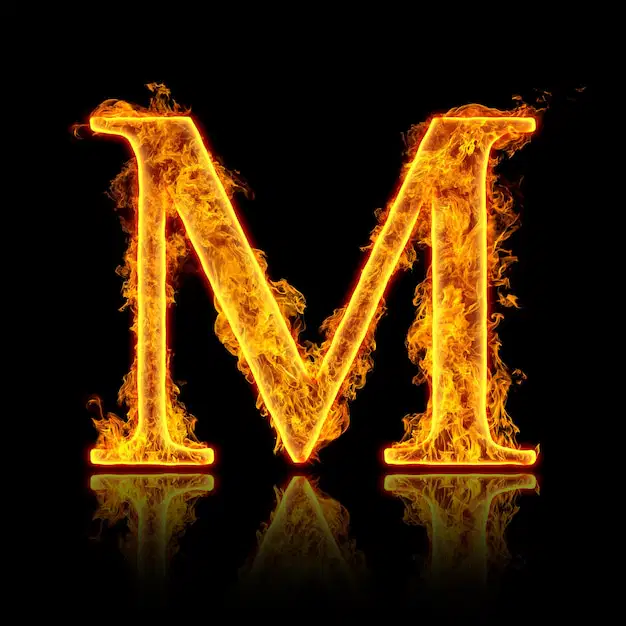
The M in SMART Goal stands for ___________.
Most likely
Measurable
Motivational
Majority
What Costas level is the following prompt: Predict what would happen if the Mayflower Contract never happened.
1
2
3
4
The R in WICOR stands for ________.
Ready
Reading
Real
Right
What does the I stand for in AVID?
Ideal
Individual
Inquiry
Imagination
Highest number of points awarded for the Tutorial Process is (a) .
The D in AVID stands for _________.
Discovery
Dynamic
Diversity
Determination
The learning style where people learn best from listening is known as ________.
kinesthetic
auditory
visual
What Costas level is the following question: Who is the quarterback for the BUCS?
1
2
3
4

The I in WICOR stands for _______, which means asking questions.
Ideal
Inquiry
Individual
Intelligent
Your Tutorial speech should be (a) seconds.
What was the message of the poem? This is an example of a level __ question.
1
2
3
4
The O in WICOR stands for ___________.
Objective
Observe
Organization
Occur
What does V stand for in AVID?
Visual
Valid
Via
Very
The C in WICOR stands for ________.
Consider
Cancel
Collaboration
Capable

When calculating GPA, how many points are awarded for an "A"?
1
2
3
4
What does GPA stand for?
Grade Plan Action
Grade Point Advantage
Grade Point Average
A grade of a B is worth ______ points when figuring out your GPA.
1
2
3
4
0

When taking notes, what can you use to help you write the notes faster?
Friend's notes
iPad
Abbreviations
Highlighter

How can you emphasize important parts or key words in your notes?
Underline
Highlight
Circle
All of the above
Which practice is NOT recommended for taking notes?
Use only full sentences
Add information from the textbook
Edit your notes later
Start a new page for each class day
What is the first step of Focused Note Taking?
Apply Notes
Process Notes
Take Notes
Connect Thinking
What is the second step of Focused Note Taking?
Apply Notes
Process Notes
Take Notes
Summarize Notes
How many Steps are in the focused note-taking process?
3
4
5
6

What is the third process in focused note taking?
Processing notes
Connecting thinking
Taking notes
Summarizing & Reflecting
What is the fourth step in focused note taking?
Processing notes
Connecting thinking
Taking notes
Summarizing & Reflecting
What is the fifth step in focused note taking?
Processing notes
Connecting thinking
Taking notes
Applying learning

