
 Worksheets
Winter Trivia 2
Total questions: 50
Worksheet time: 3hrs 30mins

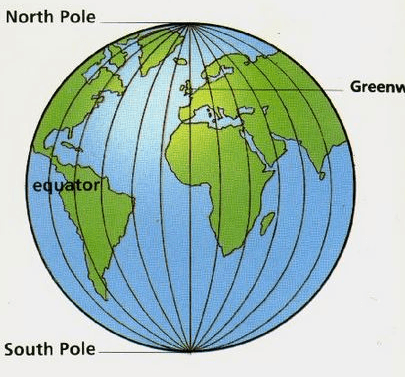
What causes the seasons to change?
The Earth's distance from the Sun
The waming and cooling of Earth's core
The Earth's tilt in relation to the Sun
The Earth rotation on its axis.
Which weather instrument is used to measure temperature?
rain gauge
thermometer
weather vane

A section of a thermometer is shown. What does this instrument show about the weather?
There is 50 feet of snow.
The temperature is 50°F.
There is 50 centimeters of rain.
The wind speed is 50 miles per hour.

The picture shows boys playing outside. What is the weather like in this picture?
windy and hot
rainy and cold
snowy and cold
sunny and warm

This is a chart of the weather for a week. What is the season described?
Fall
Winter
Spring
Summer
Choose the word that completes the following sentence: Precipitation is made of _____.
chemicals
water
dust
leaves

The picture shows weather over a mountain range. Which kind of weather is happening?
dry
fair
sunny
rainy

Record the measurement shown in the picture in degrees Fahrenheit. °F.
96*F
98*F
32*F
30*F

A weather map for the United States is shown. It shows the high temperatures for the day in degrees Fahrenheit, °F. What season is this weather map most likely from?
fall
winter
spring
summer
What causes the seasons to change?
The Earth's distance from the Sun
The waming and cooling of Earth's core
The Earth's tilt in relation to the Sun
The Earth rotation on its axis.
What happens when it's spring in the Southern Hemisphere?
It's fall in the Northern Hemisphere
It's summer in the Northern Hemisphere
It's winter in the Northern Hemisphere
It's spring in the Northern Hemisphere

What happens when the area in which you live tilts away from the sun?
It's summer in your area
It's spring in your area
It's fall in your area
It's winter in your area

How are winters in the Northern Hemisphere different from winters in the Southern Hemisphere?
Winter days are short in the Northern Hemisphere, and long in the Southern Hemisphere
Northern Hemisphere winters are cold, Southern Hemisphere winters are hot
In the Northern Hemisphere, winter lasts from December to March; In the South, it lasts from June to September
In the Northern Hemisphere winter lasts from June to September. In the South it lasts from December to March.

Where and when would you find almost 24 hours of daylight?
In South America during spring
In the Arctic Circle during summer
In Jamaica during winter
In the Antarctic Cirlce during winter

Which of these is MOST responsible for the Earth having more hours of daylight in the summer than in the winter?
Earth's shape
Earth's revolution
Earth's orbit
Earth's tilt
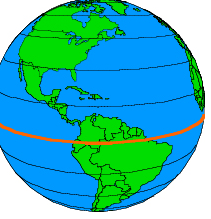
A pond has frozen during the winter. What caused it to freeze?
The temperature fell below 32 degrees F
The temperature went above 32 degrees F
It is winter and all ponds freeze in winter

Which of the following is the winter home the Inuit people lived in?
Plank house
Long house
Igloo
Chickee
The inuit made clothing and heavy boots from animal furs to stay warm in the extreme cold
True
False
What was the religion of the Inuit Native Americans?
Christianity
Animism
Confucianism
Buddhism

What are the children doing?
Running
Sledding
Sleeping
Jumping

What is this sport called?
Hockey
Football
Golf
Soccer

What are these called?
Sneakers
Flip flops
Ice skates
Boots

What do you do with these machines?
Fishing
Running
Snowmobile
Mow the lawn

WHAT ARE THESE?
SKIS
HELMET
GLOVES
ICE SKATES

WHAT IS SHE DOING?
SKIING
SNOWBOARDING
PLAYING ICE HOCKEY
ICE SKATING

WHAT IS THIS?
HOCKEY
STICK
SLEDGE
HELMET
GOGGLES
People who do winter sports should wear .
helmets
warm clothing
shoes with spikes
Which of these you do not need in ice hockey?
skates
goggles
puck
helmet
Which sport DOES NOT require a helmet?
Figure skating
Speed skating
Bobsled
Alpine skiing

What color is snow?
blue
black
white
clear

What is a snow thunderstorm called?
Lightning snow
Thundersnow
Snow thunder storm
White thunder

How many sides does a snowflake have?
4
6
8
5

Can you have identical snowflakes?
No - no two flakes are alike
Yes - many are identical
Snow flakes are really made of snow...
Creatures
dust
water vapor
Crystals
Where do snow flakes start?
In the ground
In the clouds
In a volcano
On a vacation
Does temperature change the way a snowflake looks?
Yes
No
Do snowflakes change shape while they are falling to the ground?
Yes
No



