
 Worksheets
1st Semester Review
Total questions: 78
Worksheet time: 40mins
What are the main type(s) of cells?
Prokaryotic Cells
Eukaryotic Cells
Prokaryotic and Eukaryotic Cells
Neither
Prokaryotes have NO...
Nucleus
Membrane Bound Organelles
They have both
They have neither
Eukaryotes DO have...
Nucleus
Membrane Bound Organelles
They have both
They have neither
Eukaryotic cells are more complex than prokaryotic cells.
True
False
Can not be determined

This is a...
Prokaryotic Cell
Eukaryotic Cell
Neither

This is a...
Prokaryotic Cell
Eukaryotic Cell
Neither

E. coli (a bacteria) is an example of a...
Prokaryote
Eukaryote
Both
Neither

In what organelle is the genetic material found inside?
cell membrane
chloroplast
nucleus
ribosome

What organelle is called the "powerhouse" of a cell?
mitochondria
nucleus
cell wall
cell membrane
A large central vacuole is found in a _____ cell.
animal
plant

What is the function of a chloroplast?
makes proteins for animal cells
allows materials in and out of the cell
provides structure and support
absorbs sunlight for photosynthesis

What is the structure that contains DNA and directs the cell?
endoplasmic reticulum
central vacuole
cell wall
nucleus

Looking in a microscope, you see cells that have rectangular shapes and a green color. What type of cells are you probably viewing?
plant cells
animals cells
muscle cells
blood cells

Identify the structure that is indicated by the arrow in the image. It is responsible for storing water.
cell wall
central vacuole
chloroplast
nucleus

Identify the structure that is indicated by the arrow in the image. It provides extra strength and support for the cell.
cell wall
central vacuole
chloroplast
cell membrane

The arrow is showing the fluid inside the cell that surrounds the cell organelles. What is the arrow pointing to in the cell?
cytoplasm
mitochondria
ribosomes
nucleus

What type of cell is being shown in the image?
plant
animal

Identify the structure that is labeled "H" in the image. It is responsible for the cell's energy.
cell wall
chloroplast
mitochondria
nucleus
cell membrane
Process in which substances or particles move through the cell membrane, protein channel, or protein doorway from high to low concentration without energy
Passive Transport
Active Transport
Osmosis
Mitosis
Small particles moving easily across the cell membrane from high to low concentration
Osmosis
Mitosis
Meiosis
Diffusion
Water moving from areas of high to low concentration
Mitosis
Active Transport
Passive Transport
Osmosis
Plant cells take in light energy and change it into energy in the form of Glucose (food). Happens in the chloroplasts.
Cellular Respiration
Passive transport
Photosynthesis
Diffusion
Cell membranes engulfs material that is too large to pass through the membrane
Exocytosis
Endocytosis
Passive Transport
Osmosis
Process where food is broken down to release energy and happens in the mitochondria.
Photosynthesis
Cellular Respiration
Particles move from low concentration to high concentration using energy
Passive transport
Active transport
Diffusion
Process where cells make more cells. (One cell makes two cells)
Meiosis
Mitosis
Osmosis
Diffusion
Process where cells makes sex cells to aid in reproduction of multi-cellular organisms (one cell makes four cells)
Meiosis
Osmosis
Cellular Respiration
Mitosis
Process where the cell membrane removes particles that is too large to pass through the membrane
Endocytosis
Osmosis
Exocytosis
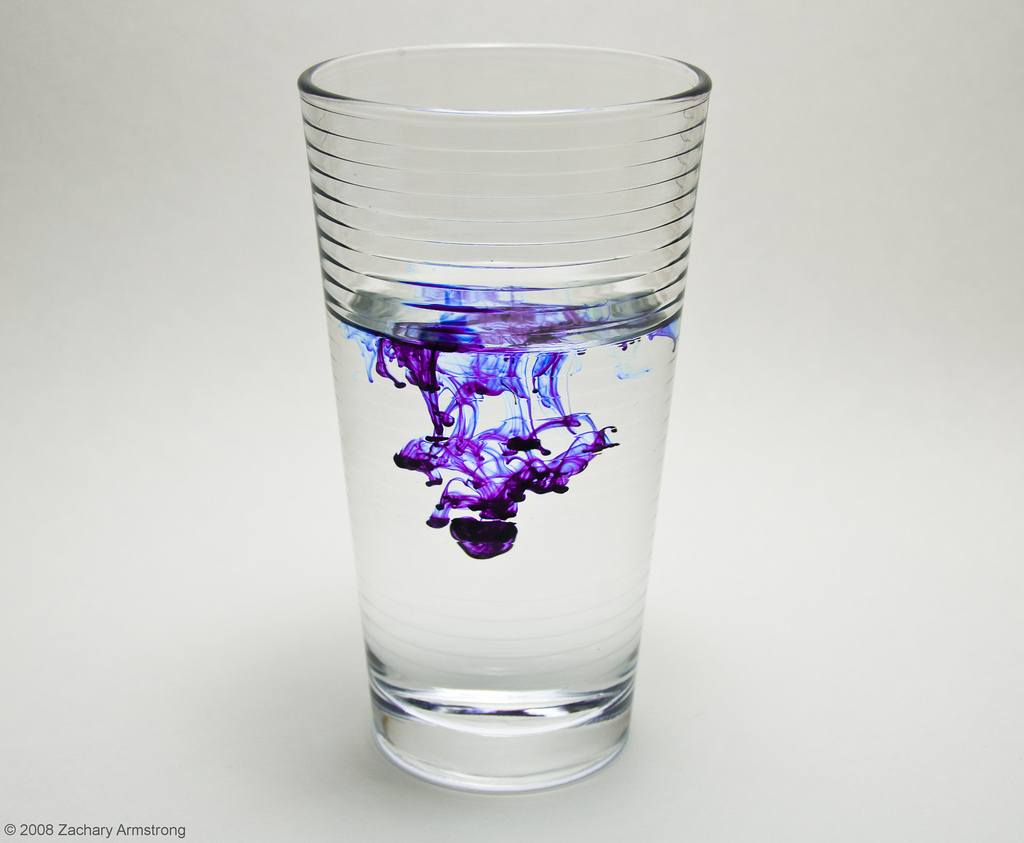
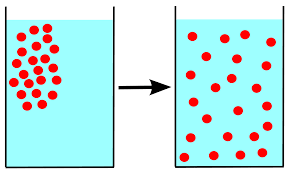

What happened to the CELL WALL and the CELL MEMBRANE in these plant cells?
Both the CELL WALL and CELL MEMBRANE shrunk
Only the CELL WALL shrunk, the CELL MEMBRANE stayed the same
The CELL WALL stayed the same, only the CELL MEMBRANE shrunk
Both the CELL WALL and CELL MEMBRANE stayed the same

Which of the following best describes the job of the skeletal system?
Gives shape and support to the body.
Sends messages from the stomach to the brain.
Brings in and breaks down all nutrients for the body

Which system is the "control center" of the human body?
muscular system
skeletal system
nervous system
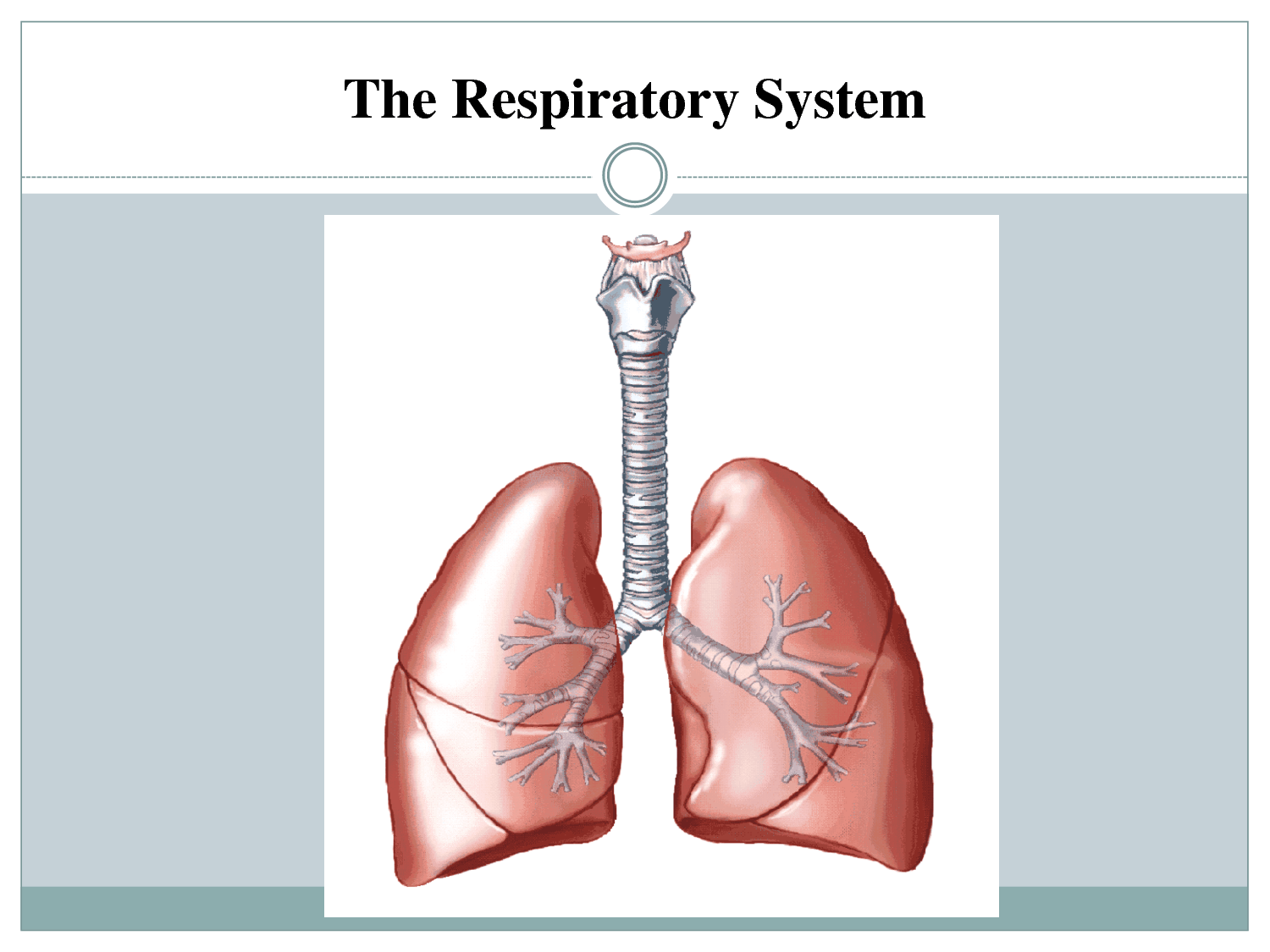
What is the main function of the respiratory system?
to provide oxygen and remove carbon dioxide from the body
o break down food and absorb nutrients
to remove oxygen from the body and deliver carbon dioxide

The structure indicated by the arrow
mouth
stomach
esophagus
epiglottis
inhaling carbon dioxide for the body
Expelling carbon dioxide from your body
Removing liquid wastes from your body
The excretory system rids the body of ______ waste.
solid
liquid
gas
all the above
What is the digestive system?
A system to take out the bad stuff that's in your body
a series of organs that convert food into essential nutrients and moves unwanted waste out
A system where certain organs in the body digest the food you eat
A system that the organs in the stomach make food for the body to digest.
Which is the largest organ in our body?
Sweat glands
Hair
Nails
Skin
What is the Immune system?
A system that attacks foreign material
A system that gives support and structure
A system that helps you breathe
None of the above
The world's tallest man, Robert Wadlow, grew to be 8 feet 11 inches. He probably had a defect in which hormone?
growth hormone
insulin
adrenaline
The ________ reproductive system produces sperm and delivers it to the_______ reproductive system?
male; female
female; male
Choose the diagram the best represents ASEXUAL reproduction.


The offspring from asexually reproduced organisms are ______.
different from their parents.
identical to parents.
a combination of both parents.
a different species.

In which type of asexual reproduction does an organism regrow a new body part to make a new organism?
budding
binary fission
regeneration
vegetative propagation

In which type of asexual reproduction does a new plant grow & develop from roots, stems, or leaves of the parent plant?
budding
binary fission
regeneration
vegetative propagation

In which type of asexual reproduction does a part of the parent organism grows a bud that stays attached until fully developed. It then breaks away from parent as a new smaller, identical organism?
budding
binary fission
regeneration
vegetative propagation

In which type of asexual reproduction does a parent cell divides to form two identical offspring cells usually prokaryotes?
budding
binary fission
regeneration
vegetative propagation
In many fish species, the female digs a small hole in which to lay her eggs. Later, the male visits and fertilizes the eggs. This is ..........
asexual reproduction
sexual reproduction
both
neither
When skin cells divide to make more skin cells....will the offspring be uniform or diverse?
uniform
diverse
Choose the picture that represents SEXUAL reproduction.


How does the Red Kangaroo reproduce?
Red kangaroos can leap as far as 12 feet in one jump. When it’s mating time, males box each other with their powerful jumping legs. The winning male deposits his sperm in the female, where an egg is fertilized. After only 33 days, the undeveloped young is born. Safely tucked away in the mom’s pouch, it will continue to grow for another seven months.
asexually
sexually
both ways

How does the Coast Redwood Tree reproduce?
Redwood trees are the tallest and largest trees in the world. Like other conifers, the trees bear male and female cones that rely on the wind for pollination. New trees also sprout from large, shallow roots, generating a circle of trees identical to the parent.
asexually
sexually
both ways

This picture represents (a) reproduction because (b) is shown using egg and pollen.

What type of reproduction is represented in the picture?
asexual reproduction
sexual reproduction
both

