Wayground logo

Free Printable Worksheets

Font size

S
M
L
XL
Worksheets

World Geography-Fall 2022

Total questions: 47

Worksheet time: 38mins
Name
Class
Date
1.
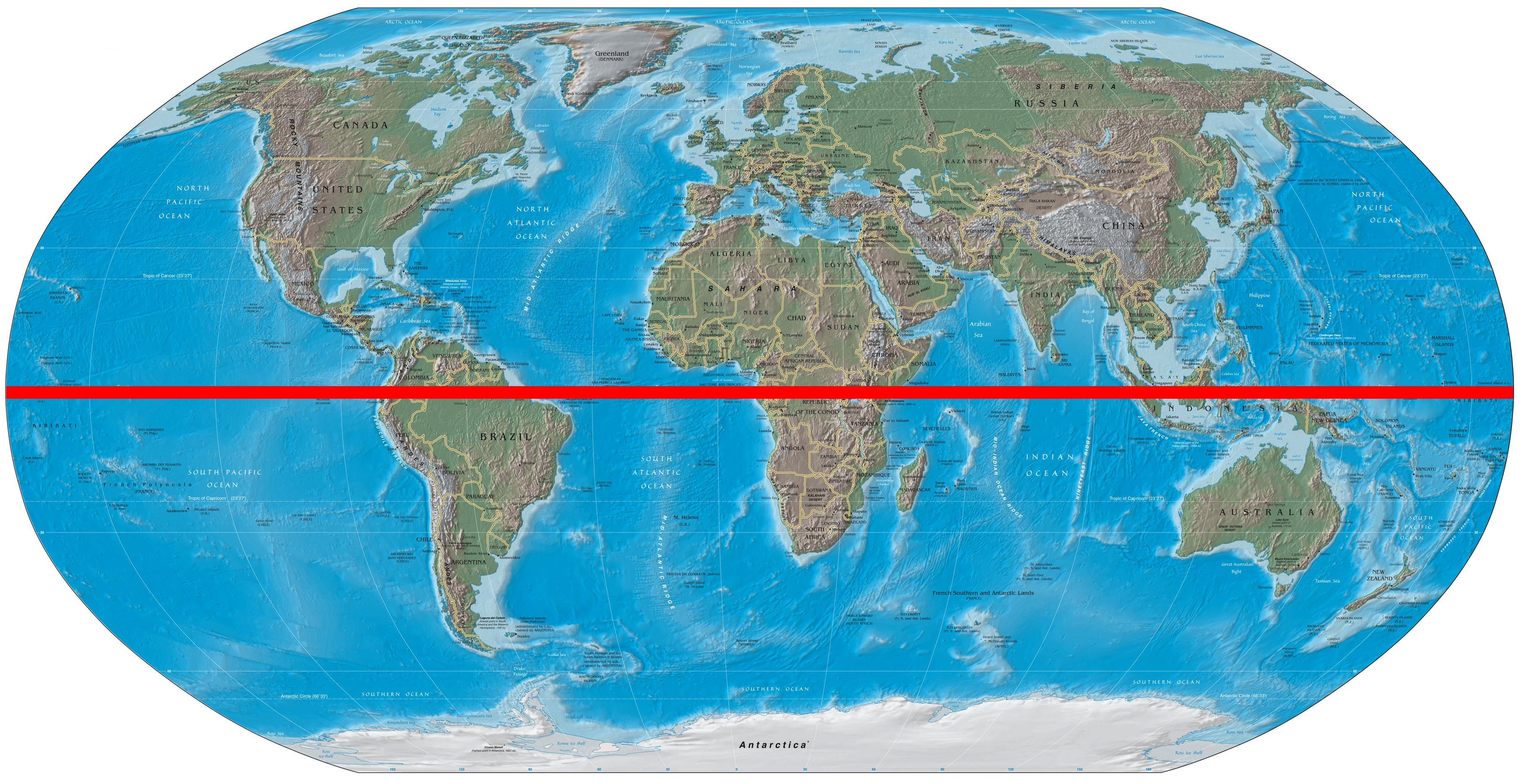
What is the name of this line at 0 degrees latitude?
a)
Prime Meridian
b)
Equator
c)
North Pole
d)
South Pole
2.
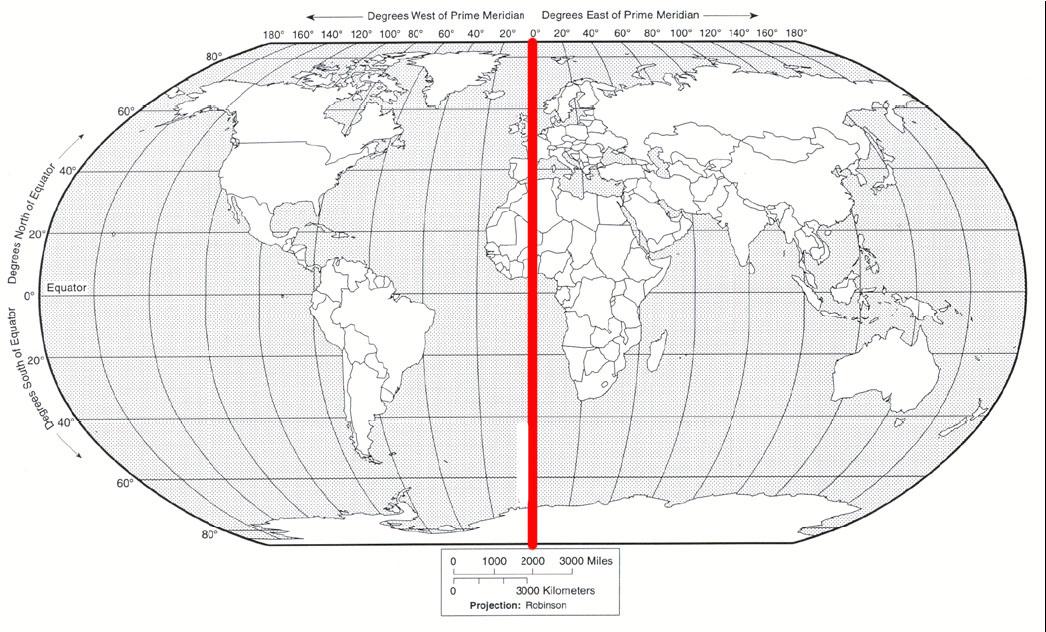
What is the name of the line at zero degrees longitude?
a)
Equator
b)
Prime Meridian
c)
North Pole
d)
South Pole
3.
The equator breaks the Earth into what two hemispheres?
a)
Eastern and Southern
b)
Northern and Southern
c)
Western and Eastern
d)
Northern and Western
4.
The Prime Meridian separates the Earth into what two hemispheres?
a)
Northern and Southern
b)
Western and Eastern
c)
Northern and Eastern
d)
Southern and Western
5.
Europe, Asia and North America are in what hemisphere?
a)
Northern
b)
Southern
c)
Western
d)
Eastern
6.
North and South America are in what hemisphere?
a)
Northern
b)
Southern
c)
Western
d)
Eastern
7.
Asia and Australia are in what hemisphere?
a)
Northern
b)
Southern
c)
Western
d)
Eastern
8.
Antarctica, Australia, and most of South America are in what hemisphere? 
a)
Northern 
b)
Southern 
c)
Western 
d)
Eastern
9.
What is geography?
a)
the study of Earth
b)
the study of fossils
c)
the study of people
d)
the study of history
10.
Which of the following states border Ohio?
a)
Cleveland
b)
Texas
c)
Lake Erie
d)
Indiana
11.
We live on which continent?
a)
North America
b)
South America
c)
Europe
d)
Australia
12.
What is a continent?
a)
a country
b)
a great big chunk of land
c)
bodies of water
13.

If you were in the middle of Africa and you traveled north, what continent would you land on?

a)

Asia

b)

North America

c)

Antarctica

d)

Europe

14.
What is the smallest continent?
a)
Australia
b)
Asia
c)
Europe
d)
Antarctica
15.
Do continents have governments?
a)
Yes
b)
No
16.
Which of these is not a continent?
a)
North America
b)
United States
c)
Asia
d)
Africa
17.

What do you see in the picture?

a)

Canyon

b)

Hill

c)

Volcano

d)

Plain

18.

A small area of land surrounded by water.

a)

Volcano

b)

Island

c)

Mountain

d)

Valley

19.
This is a 
a)
Map Title
b)
Map Scale
c)
Compass Rose
d)
Map Key/Legend
20.
Subduction plate boundaries around the Ring of Fire occur where
a)
Continental plates run into each other
b)
The sea floor is spreading
c)
Denser ocean crust goes under continental crust
d)
Fault lines are building potential energy 
21.
Like a slow-motion collision, convergent plates result in
a)
The destruction of landforms
b)
An intense crashing sound
c)
The creation of mountain ranges such as the Rockies
d)
Higher insurance deductibles
22.
Crust, mantle, outer core,  and inner core make up
a)
The spheres of the earth
b)
Types of plate tectonics
c)
Climate factors
d)
The earth's layers
23.

Earthquakes on the ocean floor can cause a

a)

Tsunami

b)

Hurricane

c)

Typhoon

d)

Ring of Fire

24.
The theory of plate tectonics offers explanation for a range of physical processes, from continental drift to
a)
The tilt of the earth
b)
Earthquakes
c)
The reason for the seasons
d)
Climate factors
25.
California's San Andreas Fault is a transform plate boundary that causes
a)
Volcanic eruptions
b)
Drought
c)
Wildfires
d)
Earthquakes
26.

Which layer of the earth is made of iron and nickel, spins, and is under such pressure that it is a solid ball?

a)

Outer core

b)

Inner core

c)

Crust

d)

Mantle

27.
The total knowledge, attitudes, and behaviors shared by and passed on by members of a group.
a)
Culture
b)
society
c)
ethnic group
d)
innovation
28.
a type of government in which citizens hold political power either directly or through elected representatives.
a)
monarchy
b)
dictatorship
c)
democracy
d)
communism
29.
Which of the following is a continent?
a)
United States
b)
Europe
c)
Brazil
d)
Japan
30.
Which of the following is an ocean?
a)
 Michigan
b)
Mississippi
c)
Amazon
d)
Indian
31.
In which ocean are the Hawaiian Islands located?
a)
Pacific
b)
Atlantic
c)
Indian
d)
Arctic
32.
On which continent is Brazil located?
a)
South America
b)
North America
c)
Europe
d)
Africa
33.

How do we define Human/Environment Interaction?

a)

how the earth and humans help/hurt each other

b)

How the earth helps/hurts human

c)

How humans hurt the earth

d)

How humans help/hurt the earth

34.

What type of map shows borders of countries, states, provinces, and cities?

a)

poltical

b)

thematic

c)

physical

d)

natural resource

35.
Sally’s ability to operate a beauty salon successfully is an example of a ___ resource.  
a)
capital 
b)
natural 
c)
human 
d)
renewable
36.
 How are natural resources distributed throughout the world?    
a)
 Natural resources are spread out unevenly around the earth.
b)
Most natural resources lie beneath the ocean floor.
c)
Most natural resources are found in developed nations. 
d)
 Natural resources are distributed evenly among all nations. 
37.
Which of the following is NOT an element of culture?
a)
Protection & Security
b)
Health & Wellness
c)
Religion
d)
Language
38.
What is the largest Continent?
a)
Europe
b)
Africa
c)
Asia
d)
South America
39.
Which best describes this map?
a)
All of the Continents
b)
A funky Globe
c)
Pangaea
d)
Global Warming
40.

A volcano that erupts frequently would be described as...

a)

...active

b)

...dormant

c)

...extinct

41.
The set of beliefs, goals, and practices that a group of people share is known as: 
a)
behavior
b)
interdependence
c)
culture
d)
diffusion
42.
All of the following are parts of culture EXCEPT
a)
language
b)
religion
c)
clothes
d)
globalization
43.
The process in which countries are increasingly linked to each other through culture and trade is
a)
humanitarian aid
b)
culture
c)
globalization
d)
diffusion
44.

A map that shows features of the planet earth such as mountains, lakes, valleys, deserts, and rivers.

a)

Political Map

b)

Physical Map

c)

Transportation Map

d)

Vegetation Map

45.

Which of the following environmental resources is non-renewable?

a)

Minerals

b)

Rain

c)

Oxygen

d)

Water

46.
Underwater earthquakes are known to cause which type of natural disaster?
a)
Landslides
b)
Monsoons
c)
Zombie Apocolypse
d)
Tsunamis
47.

Why is geography important to history?

a)

it shows us the connections between people, places, and events.

b)

geographic differences or similarities lead to cultural differences or similarities.

c)

geography is not important to history so we don't need to know anything about it.