
 Worksheets
NS.M6 *
Total questions: 86
Worksheet time: 2hrs 50mins
susceptible of host
mode of transmission
portal of entry
mode of transmission
portal of exit
reservoir
portal of entry
Infection acquired while in a hospital setting
direct contact
opportunistic infection
indirect contact
nosocomial infection
Person who gets a disease because of weak defenses
causative agent
susceptible host
reservoir
portal of entry
Infection acquired while body defenses are weak
nosocomial
opportunistic
direct
indirect
Person to person contact
direct
indirect
mode of transmission
reservoir
Pathogen transmitted through air, soil, food or feces
direct contact
indirect contact
opportunistic infection
nosocomial infection
Infection control purpose:
remind all staff to wear gloves.
encourage good handwashing.
disrupt the chain of infection.
isolate patients with diseases.
N95
Airborne
TB
Varicella
Airborne isolation rooms
HEPA filter
Negative Air flow and Doors kept closed
Influenza
Droplet
VRE
Contact Precautions
Clostridium difficile
Spores
Vitamin C
Citrus fruits and strawberries
Native American beliefs
Tobacco, music, and storytelling produce healing energy
Therapeutic touch
Decreases pain, and anxiety, promotes relaxation
Chiropractic treatment
Manual therapy and spinal manipulation
Holistic nursing
empowers clients to actively participate in their care
Pertussis
Whooping Cough
Droplet
Prodromal Stage of Infection
Vague, nonspecific chills, fever, headache and malaise, as the agent replicates
Throat Culture
Swab the tonsillar area or the back of the pharyngeal wall.
Inflammatory response
Natural defense of the body against a foreign substance, an infectious agent, or an irritation
Mrs. Kelch reports being very lethargic. You worry about her because you know she is a Vegan. What vitamin deficiency is she prone to based on her diet?
Match the following
Homeopathy
Substances that can cause a disease can also cure the disease
Ginkgo Biloba
Bleeding is a side effect
Chinese medicine
Herbal remedies, acupuncture, Tai Chi, diet and exercise
Meditation
Non-pharmacological mind and body therapy to relieve stress
A nurse is explaining the practice of Ayurveda to a newly licensed nurse. The nurse explains that Ayurveda establishes a balance between the body, mind, and spirit with which of the following elements?

Earth

Air

Water

Sunlight

Darkness
Complementary and Integrative Health
Aloe Vera
Sunburn
Naturopathy
Dietary supplements
Exercise
Traditional Chinese medicine
Homeopathy
FDA regulation of nutritional supplements must contain
At least one nutritional component
FDA does not approve supplements for safety
Infection Control

Open the first flap away from the body

Surgical Asepsis hand hygiene
(Pathogen removal)

Swab the tonsillar surface or back of the pharyngeal wall
CAUTIs intervention bundle
Try alternatives methods of urine collection before inserting indwelling catheters
When removing a mask and goggles (cleanest to dirtiest)
touch only the mask strings and earpieces.

Three lab tests which indicate generalized inflammation.
Which client is at the lowest risk for an adverse effect from a massage? (a) Massage therapy can relax the mind, reduce anxiety and depression, and relieve pain.
Donning PPE
1st (a) 2nd (b) 3rd (c) 4th (d) 5th (e)
Remove PPE in the following sequence:
1st (a) 2nd (b) 3rd (c) 4th (d) 5th (e)
Transmission Based Precautions:
Droplet
Surgical Mask
Contact
Gown and Gloves
Airborne
Fit tested N95, N99, or N100
Chain of Infection
Infectious Agent
Reservoir
Portal of Exit
Mode of Transmission
Portal of Entry
Susceptible Host

Why is the nurse worried about Mr. Jones's Stage 3 decubitus ulcer located on his coccyx?
(a) refers to antibodies called immunoglobins that activate the WBCs to destroy the infectious agents. (MMR, DTAP vaccines and the person develops immunity to that specific infection)
(b) is maintained by neutrophils and macrophages (inflammatory response) that work as phagocytes that eat and destroy harmful microorganisms. (example = fever, pus - your body fights its war)
Stages of infection order:
Incubation
timeframe= from exposure to feeling ill
Prodromal
agent replicates and initial symptoms of fever, aches, malaise
Acute illness
infection is obvious and severe
Period of decline
client begins to regain strength
Period of convalescence
return to homeostasis or left with the permanent effects from the infection
Inflammatory Response and Infection
Localized Infection
One body area example knee
Systemic Infection
Entire body example blood stream
Increased WBC blood test indicates the presence of
Infection or inflammation
WBC with Differential
Shows the measurement of each individual type of WBC's
Expected WBC count 5,000 to 10,000 so if elevated
The more severe the infection process
Medical Asepsis and Surgical Asepsis

Spores
Alcohol-based products are ineffective
Ex= C-diff is a spore
Medical asepsis
Clean
Not STERILE
Surgical asepsis and Sterilization
Destruction of all living microorganisms including
SPORES
Disinfection
Medical asepsis
When opening a sterile package/drape the (a) inch border of the drape is considered contaminated.
Splashing or dripping of solution on the sterile field will cause the field to become contaminated this is referred to as (a) contamination.
If there is a question/concern that the sterile field has become contaminated, the field must be discarded.
Explain why this statement is so IMPORTANT to your clients health.
To prevent a central line-associated bloodstream infection (CLABSI bundle). Which actions should the nurse take? (Select all that apply)
Day 1: Client admitted with a hx of dyspnea and inspiratory pain. Breath sounds decreased at right upper lobe.
Day 1: T 38.0° C (100.4° F) BP 114/56 mm Hg Heart rate 99/min Respiratory rate 32/min SPO2 85% on room air
Day 1: Chest x-ray shows soft tissue mass at right upper lobe,
Day 3: Lung biopsy positive for lung cancer
Day 3: Central venous access device (CVAD) inserted into right subclavian vein for chemotherapy. Gauze dressing applied over insertion site.
Use clean technique when changing the catheter dressing.
Change the catheter dressings every 2 days.
Clean the access port on the CVAD line with povidone-iodine prior to use.
Perform hand hygiene for 10 sec prior to changing the catheter dressing.
Use friction when cleaning the access port.
A nurse is teaching about alternative medicine. Which of the following therapies is part of traditional Chinese medicine?
Hypnotherapy
Massage
Chiropractic medicine
Herbal remedies
Acupuncture
Which findings increase the client's susceptibility to infection. (Select all that apply)
Budesonide 6 mg PO daily
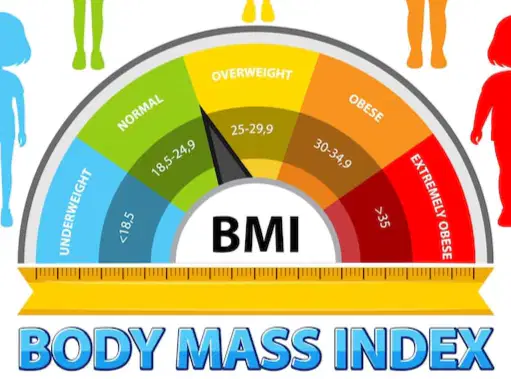
Hct 47% (37% to 52%), Hgb 16 g/dL (12 to 18 g/dL), Potassium 3.6 mEq/L (3.5 to 5.0 mEq/L), Client has a BMI of 16
History of type 2 diabetes mellitus, Client is a nonsmoker, Admitted with new diagnosis of Crohn's disease.
Client has a BMI of 16
History of type 2 diabetes mellitus
Hct 47%
Budesonide 6 mg PO qd
Corticosteroid prescribed for Chron's disease
Which of the following practices is used in traditional Native American medicine to promote healing energy.
Storytelling
Cupping
Tai Chi
Acupressure
Maria has been diagnosed with type 2 diabetes since she turned 45. She lives alone and does not properly take care of herself. After turning 66, Maria's doctor informed her that she is suffering from a decrease in the kidneys' ability to filter waste and fluid from the blood due to a progressive loss of neurons. Maria is likely diagnosed with...
acute renal failure
glomerulonephritis
chronic renal failure
cystinosis

Functions of the Urinary System:
Excrete Wastes
Regulate BP
Fluid and Electrolyte Balance
Storage of Fat
Filters Blood
Kidneys are protected by
rib cage & adipose tissue
pelvic bone & epithelial tissue
sternum
kidney stones

What products are filtered from the blood and released as waste?
Toxins
Water
Glucose
Proteins
Ketones

How do the kidneys control your blood pressure?
If filtration happens because of pressure it makes sense that kidneys have the ability to increase your BP naturally
. But how do they do that?
Terms used to describe complementary & integrative health approaches?
Holistic, eastern, complementary, & alternative medicine
Western, modern, & conventional medicine
Biomedical, allopathic, &pharmaceutical approaches
Traditional, chemical, & synthetic therapies
Which of the following is NOT a focus area of the National Center for Complementary and Integrative Health (NCCIH)?
Botanical medicines
Mind-body therapies
Manual therapies
Pharmaceutical drug development
What is conventional medicine also known as?
Biomedicine
Alternative medicine
Integrative medicine
Eastern medicine
The primary characteristic of integrative therapies?
They predominantly use pharmaceutical drugs
They are practiced by doctors of osteopathy (DOs) only
Gather and use conventional, complementary, and alternative therapies
Focus solely on the physical functions of the body
Holistic nursing focus:
Treatment of specific diseases
The use of medication only
Consideration of the whole person, mind, body, and spirit
Use of surgical procedures
Main purpose of acupuncture:
Improve mental health through counseling
Enhance physical function by stimulating specific points on the body
Provide immediate pain relief through medication
Promote weight loss through diet regulation
Which of the following is a benefit of deep breathing as a mind-body intervention?
It increases the need for sleep
It controls breathing and reduces pain and anxiety
It strengthens the immune system directly
It improves cardiovascular health through exercise
What is the primary goal of biofeedback?
To provide a form of entertainment
Regulate bodily functions using electronic devices
Replace traditional medical treatments
Enhance athletic performance
What is the art of contemplative relaxation to promote mental tranquility called?
Aromatherapy
Biofeedback
Meditation
Hypnotherapy
Aromatherapy primarily involves which of the following?
The use of water and hydrotherapy
Breathing in the scent of natural plant extracts
Physical exercises to improve body strength
The use of light therapy to improve mood
What is the primary focus of chiropractic care?
Dietary supplements
Energy field rebalancing
Manual therapy and spinal manipulation
Ancient therapy of manipulation
Reflexology is related to which part of the body?
The spine
The feet and hands
The energy field
The diet
What is the main purpose of osteopathic medicine?
Provide dietary guidelines
Rebalance the body's energy field
Focus on structural and functional rebalancing
Manipulate ancient energy pathways
Healing touch therapy is based on which of the following?
Spinal adjustments
Nutrient absorption
Energy field obstructions
Ancient dietary practices
According to the text, most Americans can meet their nutritional needs by:
Taking dietary supplements of any type
Following ancient reflexology charts
Meeting USDA requirements through a varied diet
Undergoing chiropractic care
What is a reservoir in the context of infection control?
Process by which an infectious agent is spread.
Habitat of the infectious agent where it lives, grows, and reproduces.
The method used to isolate an infectious agent.
Medication used to treat infections.
Which of the following is considered a portal of entry for an infectious agent?
A vaccine injection site.
Any body orifice such as ears, nose, mouth, or a break in the skin.
A health care professional's hands.
A sterilized surgical instrument.
What does the chain of infection include?
Only the infectious agent and the susceptible host.
The infectious agent, reservoir, and mode of transmission only.
The infectious agent, reservoir, portal of exit, mode of transmission, portal of entry, and susceptible host.
The infectious agent, vaccination, and antibiotics.
What is an infectious agent?
A medication that fights infection.
A person who spreads infectious diseases.
Something that contains bacteria, fungus, virus, parasite, or prion.
A tool used for sterilizing medical equipment.
What is the role of a portal of exit in the spread of infection?
It is where the infectious agent is treated and eliminated.
It is the means by which the infectious agent can leave the reservoir.
It is the entry point for vaccines to fight the infection.
It is the location where new infectious agents are created.
What is required for an infectious agent to take hold and become a reservoir for infection?
A) A nonspecific immune response
B) A specific immune response
C) A susceptible host
D) An inflammatory response
Which type of immunity involves neutrophils and macrophages that work as phagocytes?
A) Susceptible Host Immunity
B) Specific Immunity
C) Nonspecific Immunity
D) Passive Immunity
How does direct contact transmission of microorganisms occur?
A) Through the air and into the mucous of a host
B) When small particulates move into the airspace of another person
C) When microorganisms are directly moved from the infected person to another person without involving a contaminated object
D) When microorganisms are moved from the infected person to another person via a contaminated object
What is the role of antibodies in specific immunity?
A) They recognize harmful stimuli and activate inflammatory pathways
B) They are released during the inflammatory response
C) They bind to infectious agents and call to the white blood cells and complement to destroy them
D) They recruit inflammatory cells
What is a key feature of the inflammatory response?
A) Microorganisms are directly moved from one person to another
B) Antibodies bind to infectious agents to destroy them
C) Pattern receptors on the surface of cells recognize harmful stimuli
D) A susceptible host is required for the infectious agent to take hold
What is the term used to define the elimination of absence of disease-causing microorganisms?
Incubation
Convalescence
Medical asepsis
Systemic infection
During which stage of infection does the client begin to show symptoms?
Incubation
Prodromal
Decline
Convalescence
Standard precautions are applied to all clients, whether or not they are known to have an infectious agent, to prevent practices applied to:
Infection
Asepsis
Transmission
Contamination
Which of the following is NOT one of the four major Health Care-Associated Infections (HAIs)?
Central Line-Associated Bloodstream Infections (CLABSIs)
Surgical Site Infections (SSIs)
Ventilator-associated Pneumonias (VAPs)
Incubation infections
Hand hygiene is a broad term that covers any type of cleansing of the hands. Which of the following is NOT a method of hand hygiene?
Using soap and water to wash the hands
Using an antiseptic handwash or hand rub
Using surgical hand antisepsis
Using a sterile towel to dry hands only
Whose responsibility is it to know what types of Personal Protective Equipment (PPE) are needed to care for clients and to don and doff PPE appropriately?
The hospital's administration
The client's family members
The nurse's
The equipment manufacturer
A reservoir in the context of infection control is the:
process by which an infectious agent is spread.
habitat of the infectious agent where it lives, grows, and reproduces.
method used to isolate an infectious agent.
medication used to treat infections.
Which of the following is considered a portal of entry for an infectious agent?
A vaccine injection site.
Any body orifice such as ears, nose, mouth, or a break in the skin.
A health care professional's hands.
A sterilized surgical instrument.
What is an infectious agent?
A medication that fights infection.
A person who spreads infectious diseases.
Something that contains bacteria, fungus, virus, parasite, or prion.
A tool used for sterilizing medical equipment.
What is the role of a portal of exit in the spread of infection?
It is where the infectious agent is treated and eliminated.
It is the means by which the infectious agent can leave the reservoir.
It is the entry point for vaccines to fight the infection.
It is the location where new infectious agents are created.
What is required for an infectious agent to take hold and become a reservoir for infection?
A) A nonspecific immune response
B) A specific immune response
C) A susceptible host
D) An inflammatory response
Which type of immunity involves neutrophils and macrophages that work as phagocytes?
Susceptible Host Immunity
Specific Immunity
Nonspecific Immunity
Passive Immunity
How does direct contact transmission of microorganisms occur?
Through the air and into the mucous of a host
Small particulates move into the airspace of another person
When microorganisms are directly moved from the infected person to another person without involving a contaminated object
When microorganisms are moved from the infected person to another person via a contaminated object
What is the role of antibodies in specific immunity?
Recognize harmful stimuli and activate inflammatory pathways
They are released during the inflammatory response
Bind to infectious agents and call to the WBC's and complement to destroy them
Recruit inflammatory cells
A key feature of the inflammatory response:
Microorganisms are directly moved from one person to another
Antibodies bind to infectious agents to destroy them
Pattern receptors on the surface of cells recognize harmful stimuli
A susceptible host is required for the infectious agent to take hold
What is the term used to define the elimination of absence of disease-causing microorganisms?
Incubation
Convalescence
Medical asepsis
Systemic infection
Stage of infection: The client begins to show symptoms
Incubation
Prodromal
Decline
Convalescence
What type of infections are confined to one area of the body?
Systemic infections
Local infections
Hand hygiene
HAIs
Standard precautions are applied to all clients, whether or not they are known to have an infectious agent, to prevent practices applied to:
Infection
Asepsis
Transmission (spread)
Contamination
Which of the following is NOT one of the four major Health Care-Associated Infections (HAIs)?
Central Line-Associated Bloodstream Infections (CLABSIs)
Surgical Site Infections (SSIs)
Ventilator-associated Pneumonias (VAPs)
Incubation infections
Hand hygiene = cleansing of the hands. Which of the following is NOT a method of hand hygiene?
Using soap and water to wash the hands
Using an antiseptic handwash or hand rub
Using surgical hand antisepsis
Using a sterile towel to dry hands only
Whose responsibility is it to know what types of PPE is needed to care for clients and to don and doff PPE appropriately?
The hospital's administration
The client's family members
The nurse's
The equipment manufacturer

