
 Worksheets
bonding quiz
Total questions: 119
Worksheet time: 1hrs 14mins
C O
Na Br
K Br
H O
C H
Na Cl
Na F
N H
Ca Cl
H H

What type of bonding does this picture show?
Ionic
Covalent

What type of bonding does this picture show?
Ionic
Covalent
Valence electrons are shared
Ionic bonds
Covalent bonds
Valence electrons are transferred
Ionic bonds
Covalent bonds
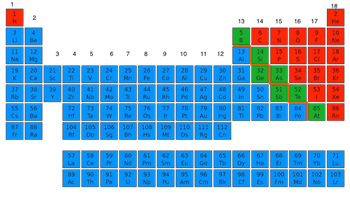

The positive ions tend to _____________ electrons.
lose
gain
The negative ions tend to _____________ electrons.
lose
gain
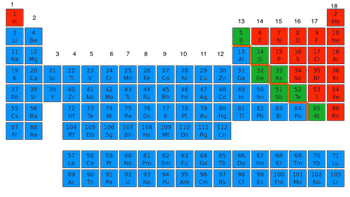

What type of elements form cations?
metals
nonmetals
metalloids?
How does calcium become a calcium ion?
it loses 2 electrons
it gains 2 electrons
Cations
Gain electrons, has an overall positive charge
Lose electrons, has an overall positive charge
Lose electrons, has an overall negative charge
Gain electrons, has an overall negative charge
How many Aluminum atoms are in Al2O3?
3
5
2
1
Which of the following is an ionic compound?
HCl
H2O
MgO
CO2
If an element belongs to Carbon group in the Periodic table, how many valence electrons are found on their outermost shell?
2
3
4
5
Which element will be paired to Sulfur for it to become a covalent compound?
Potassium
Magnesium
Aluminum
Carbon
Valence electrons are found
outermost energy level
innermost energy level
some where in the electron cloud

Ionic Bonds
metal with nonmetal
nonmetal with nonmetal
Covalent Bonds
metal with nonmetal
nonmetal with nonmetal

Cl2
Ionic Bond
Covalent Bond
CaCl
Ionic Bond
Covalent Bond
NH3
Ionic Bond
Covalent Bond
NaO
Ionic Bond
Covalent Bond
Cl2
Metal with Nonmetal
Nonmetal with Nonmetal
CaCl
Metal with Nonmetal
Nonmetal with Nonmetal
NaO
Metal with Nonmetal
Nonmetal with Nonmetal
NH3
Metal with Nonmetal
Nonmetal with Nonmetal
Valence electrons are found
outermost energy level
innermost energy level
some where in the electron cloud
An atom with 1 valence electron 'needs' a full shell, so it can either gain 7 electrons or lose 1. Which is more likely to occur?
nothing
gain 7
lose 1
How do covalent bonds form?
by sharing electrons between atoms
by donating or receiving electrons
What two types of atoms make a covalent bond?
2 nonmetals
2 metals
1 metal and 1 nonmetal`
How many valence electrons does Boron have?
1
2
3
4
When an atom loses an electron, it becomes a
positive ion
negative ion
Ionic bonds are between
metals and nonmetals
2 metals
2 nonmetals
Atoms are most stable when their outer shell is full or complete.
true
false
How are ionic bonds formed?
transfer of electrons
sharing of electrons
Group numbers on the periodic table help us determine
number of valence electrons
state of the element (solid, liquid, gas)
Water is an example of what?
molecular compound (covalent compound)
ionic compound
Salt is an example of what?
ionic compound
covalent compound
Atoms involved in a covalent bond are not charged, while atoms involved in an ionic bond are charged (negative or positive)
true
false
Ionic compounds occur between:
one metal and one non-metal
one positively charged thing and one negatively charged thing
two non-metals
two metals
Ionic compounds involve the:
sharing of electrons
give/take of electrons
don't involve electrons at all
sharing of protons
Metals make _____ ions.
positive
negative
neutral
Nonmetals will make _____ions.
positive
negative
neutral
What part of the atom does bonding involve?
protons
neutrons
all electrons
valence electrons
How many valence electrons do MOST atoms need to be stable?
123
8
as many as there are protons
Ionic bonds are formed between...
Non - metals
A metal and a non-metal
Metals
Which of the below is an ionic compounds?
Ni
MgCl2
H2O
CH4
How is an ionic bond formed?
Sharing of electrons
Delocalised electrons
Transfer of electrons
An example of an ionic compound is Sodium Chloride, which is made from Na+ and Cl- ions. Why do these ions form an ionic bond?
They have like charges
They are from the same group
They are from the same period
They have opposite charges
Lead Chloride is an ionic compound, made up from Pb2+ ions and Cl- ions. Which is the correct formula for this compound?
PbCl3
PbCl
PbCl4
PbCl2
Sodium Oxide is Na2O. Meaning there are 2 Na present for every O in the ionic compound. As the Oxygen ion has a charge of -2, what charge does each Sodium ion have?
-1
-2
+2
+1
What is the correct formula for aluminium oxide? Aluminium is in group 3 and oxygen is in group 6.
Al₂O₃
AlO
AlO₄
Al₂O
Al₃O₂
Al3+ O2-
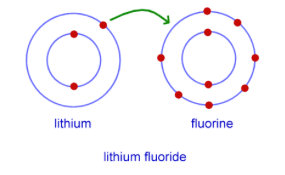
1
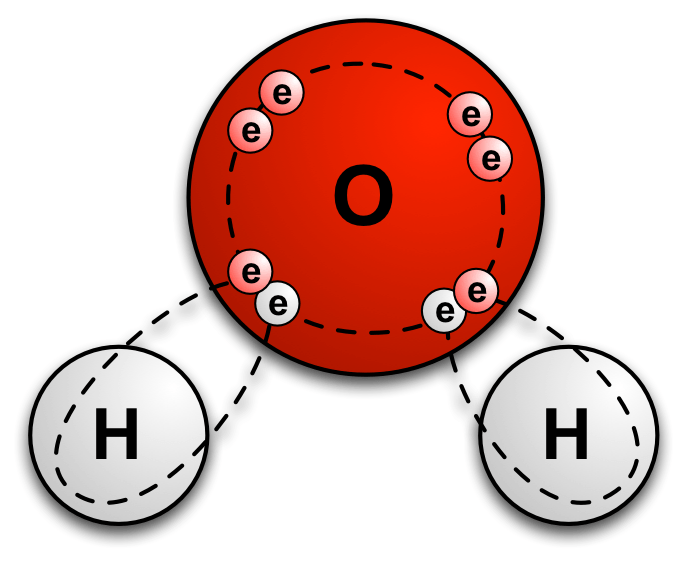
Identify the following compound as ionic or covalent: SO2
ionic
covalent
What is it called if there are three pairs of electrons being shared?
Identify the following compound as ionic or covalent: CH3COOH
ionic
covalent
Identify the following compound as ionic or covalent: Ca(OH)2
ionic
covalent
The positive ions tend to _____________ electrons.
lose
gain
The negative ions tend to _____________ electrons.
lose
gain
When an atom loses an electron, it becomes a
positive ion
negative ion
neutral ion
neutral atom
What type of elements form cations?
metals
nonmetals
metalloids?
Cations
Gain electrons, has an overall positive charge
Lose electrons, has an overall positive charge
Lose electrons, has an overall negative charge
Gain electrons, has an overall negative charge
How does magnesium become an magnesium ion?
it loses 2 electrons
it gains 2 electrons
How does oxygen become an oxide ion?
it loses 2 electrons
it gains 2 electrons
How many Aluminum atoms are in Al2O3?
3
5
2
1
The positive ions tend to _____________ electrons.
lose
gain
The negative ions tend to _____________ electrons.
lose
gain
Group numbers on the periodic table help us determine
number of valence electrons
state of the element (solid, liquid, gas)

