
 Worksheets
IGCSE Unit 3 Hardware
Total questions: 50
Worksheet time: 29mins
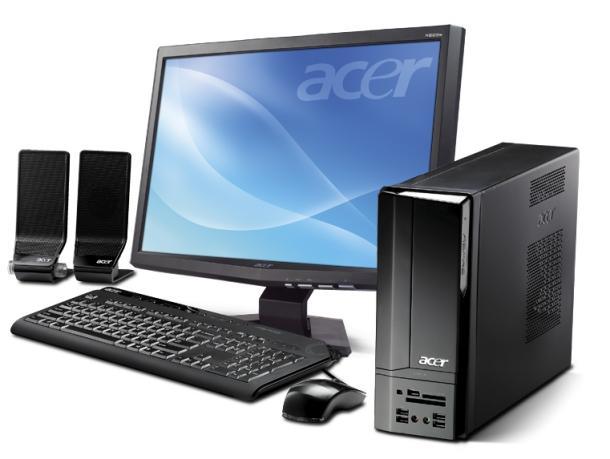
Which of these are internal hardware components in a computer (select all that apply)
mouse
RAM
CPU
operating system
BIOS
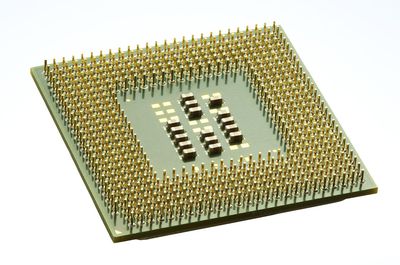
Select all the components of the CPU
ALU
Control Unit
Registers
RAM
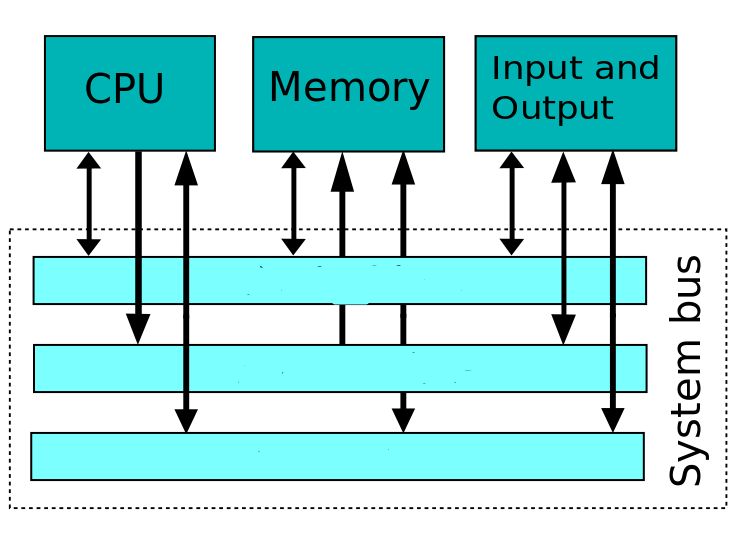
Choose all the types of system bus?
Address
Data
Control
Register

Choose all the registers found in a typical processor?
Current Instruction
Accumulator
Memory Data
Memory Address
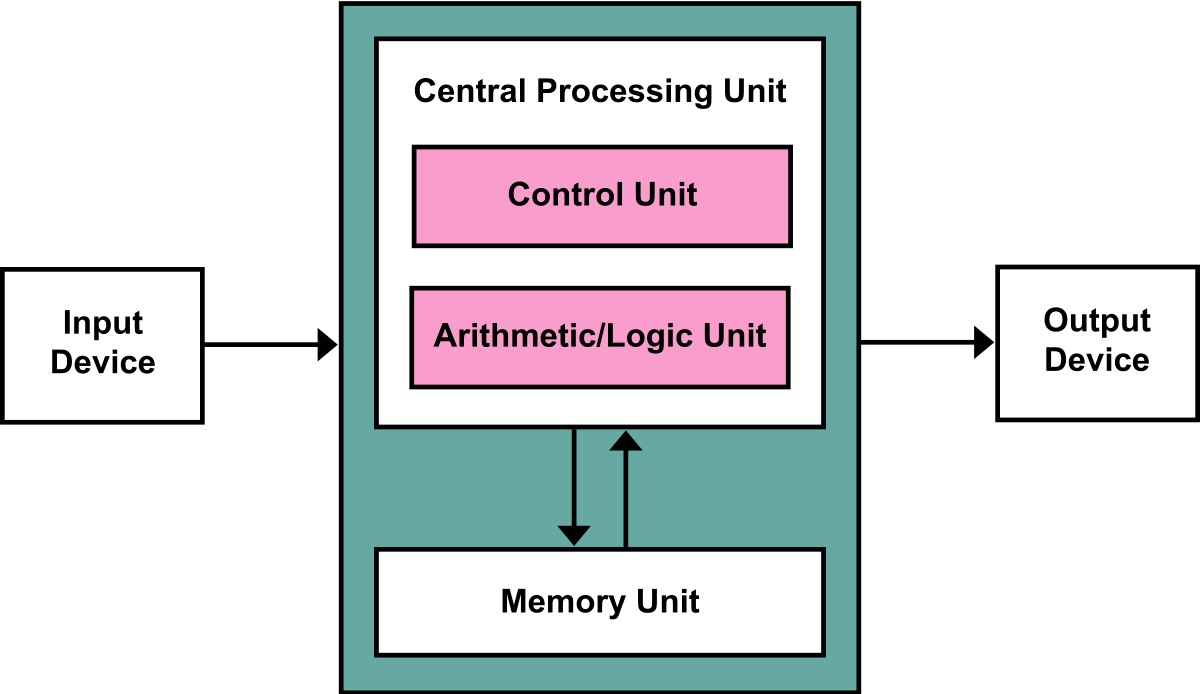
What is meant by a von Neumann computer architecture?
Where the program instructions are stored in a seperate memory storage from the data
Where the program instructions are stored in the same memory storage as the data
Where the program instructions are stored in ROM and the data is stored in RAM
Where the program instructions are divided across several CPUs
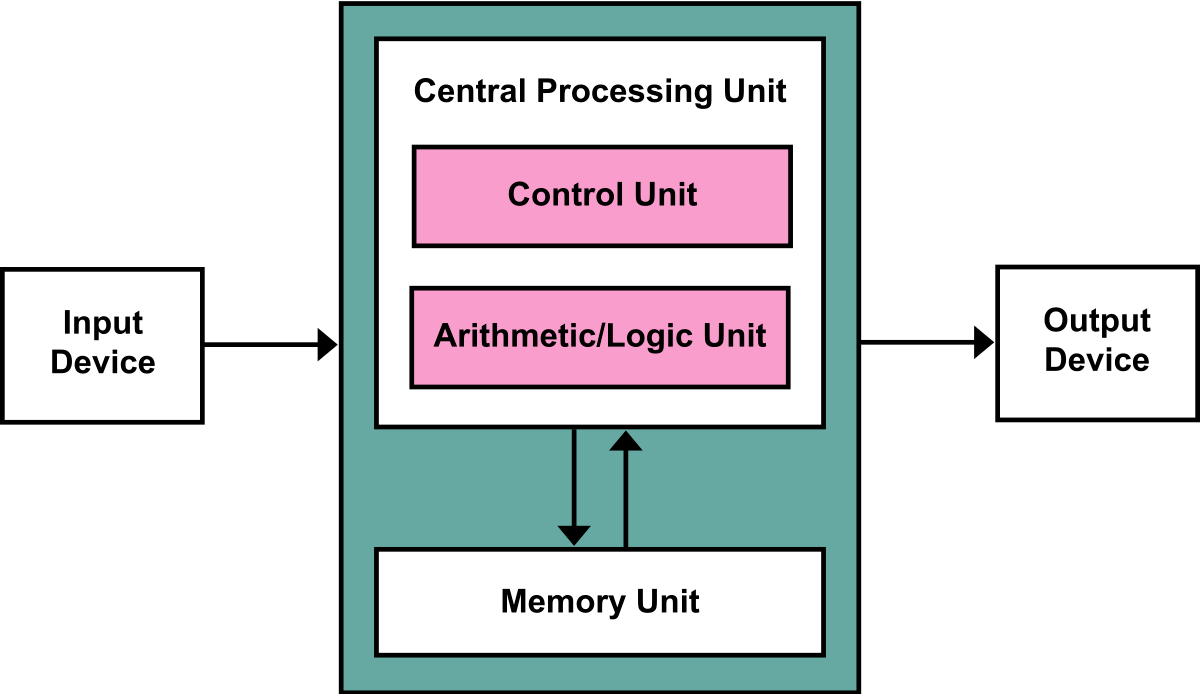
What is the main storage area for program instructions and data in a Von Neumann computer architecture?
RAM
CPU
ROM
Cache
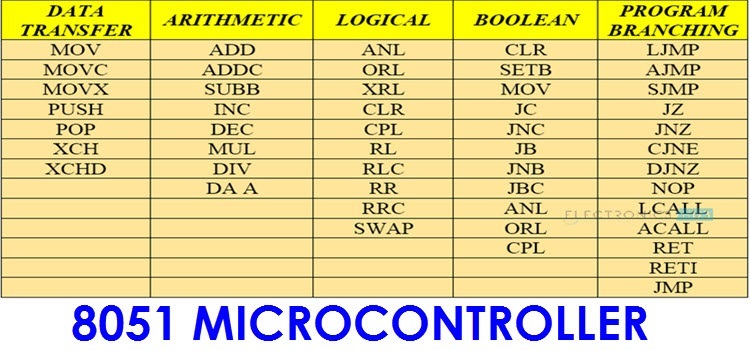
Which internal component carries out the processing of program instructions?
CPU
GPU
RAM
BIOS
What controls the timing of the instruction cycle in a computer
The amount of RAM available
The frequency of the internal clock
The width of the address bus
The size of addressable memory
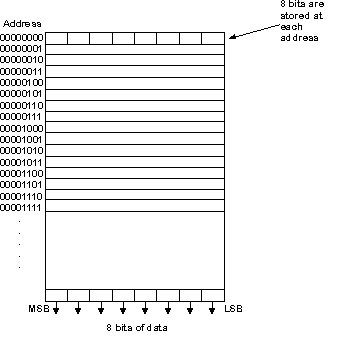
Choose all statements that are TRUE about primary memory addresses
Each one has a unique address
They all store the same amount of data
The number of addresses is determined by the width of the address bus
Addresses are stored internally as hexadecimal numbers
What are the allowable operations that the processor uses to interact with the RAM?
reading
writing
copying
deleting
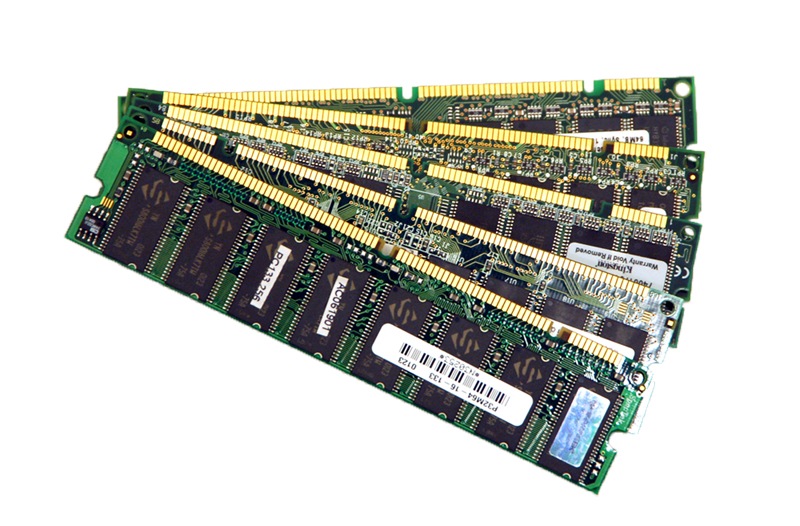
Which word describes the property of RAM memory where memory cells must be constantly refreshed to keep their contents
volatile
non-volatile
random
static
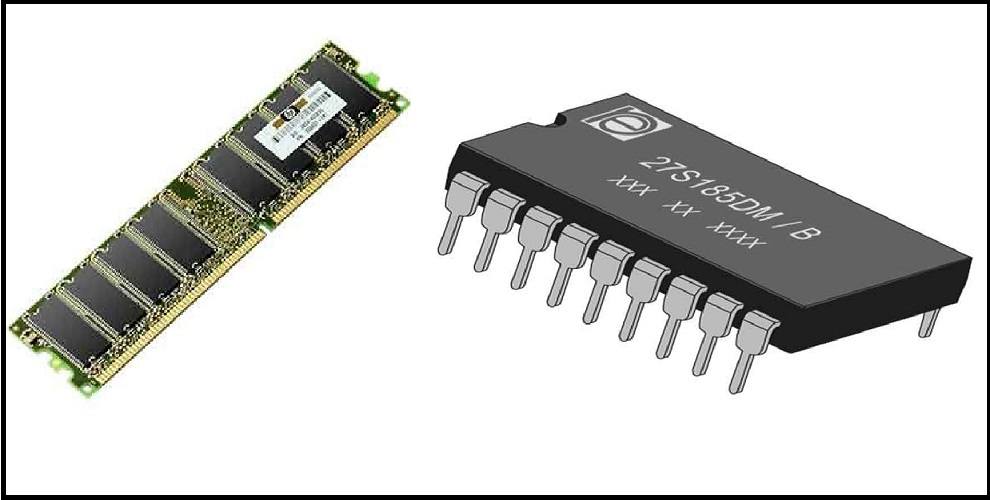
A type of primary memory that does not need to be refreshed to retain its contents AND whose contents cannot be changed
RAM
BIOS
Flash
ROM
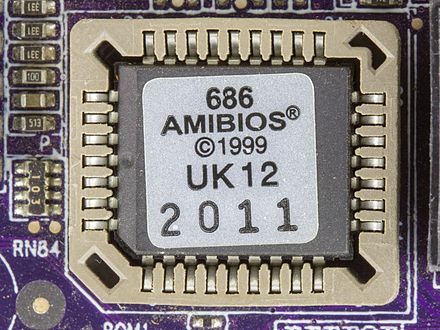
What is the non-volatile firmware used to perform hardware initialization during the booting-up process called?
BIOS
Cache
ROM
Hard disk
What type of memory is used to compensate for the difference in speed between accessing processor registers and reading memory locations in RAM?
Cache
Flash
UEFI
BIOS
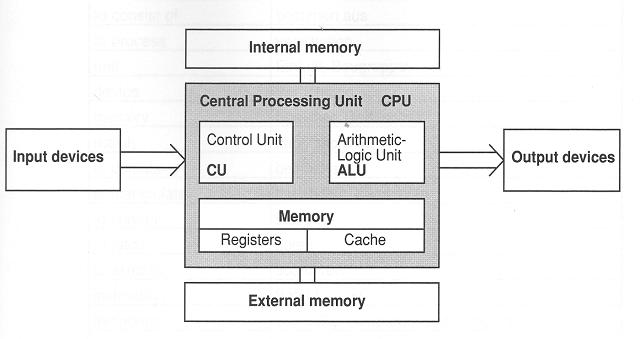
What is the part of the CPU that performs calculations and makes decisions called?
ALU
Control Unit
Registers
Clock
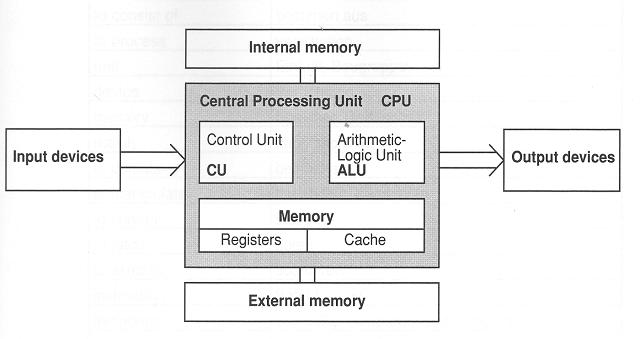
Name for the small, very fast access storage locations inside the CPU that can store one data item, instruction or address
Cache
Registers
ALU
RAM
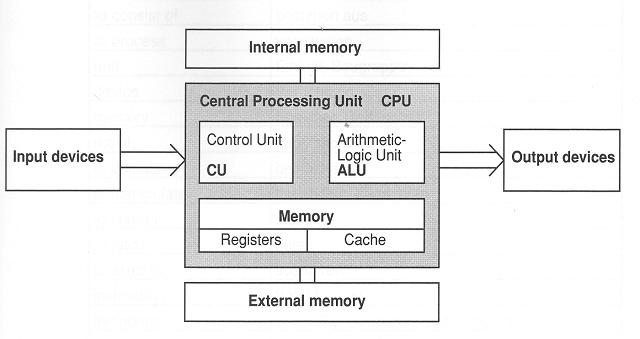
The part of the CPU that directs the operations of the processor
Control unit
ALU
Registers
Clock
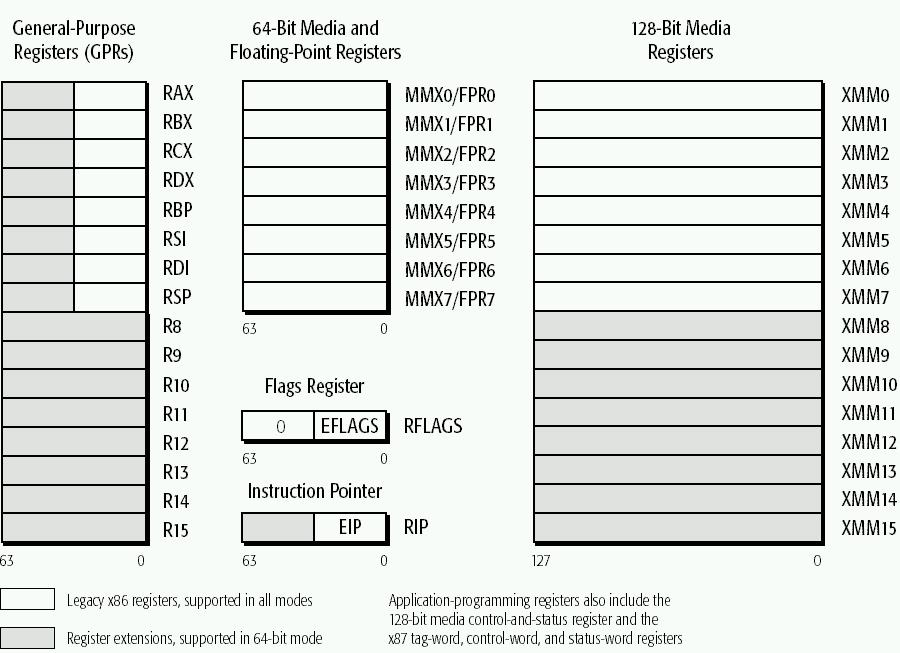
A register inside the CPU in which intermediate arithmetic and logic results are stored
Accumulator
Program counter
Memory Data Register
Current Instruction Register
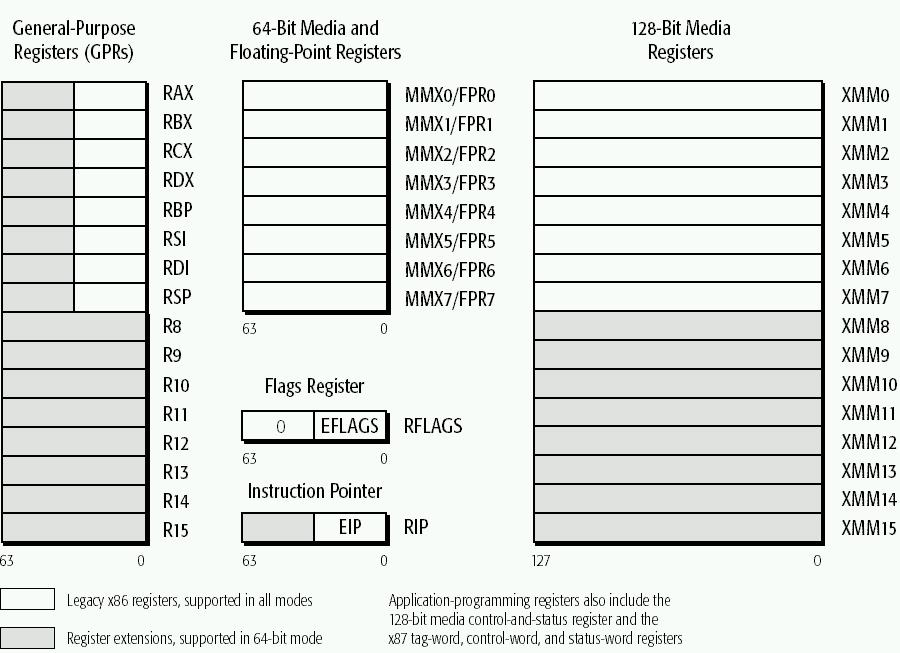
A register inside the CPU that stores the memory address of the next instruction to be fetched from memory
Accumulator
Program counter
Current Instruction Register
Memory Data Register
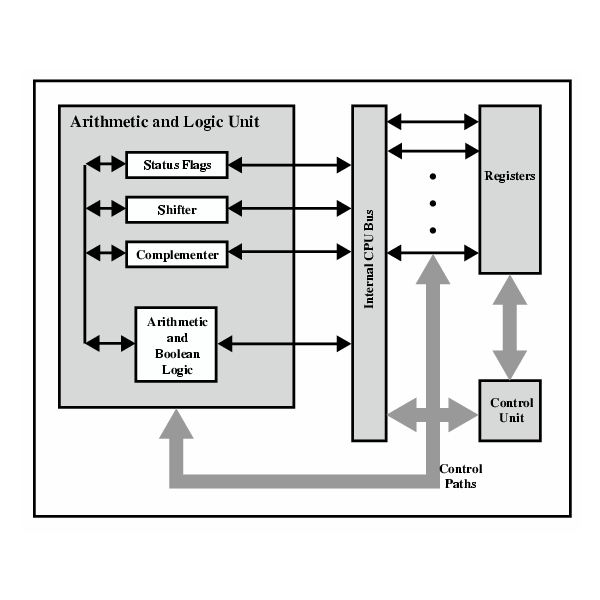
Which part of the CPU is this: an electronic 'crystal' device that 'ticks' regularly and is used to synchronise the actions of the CPU.
ALU
Control Unit
Register
System clock
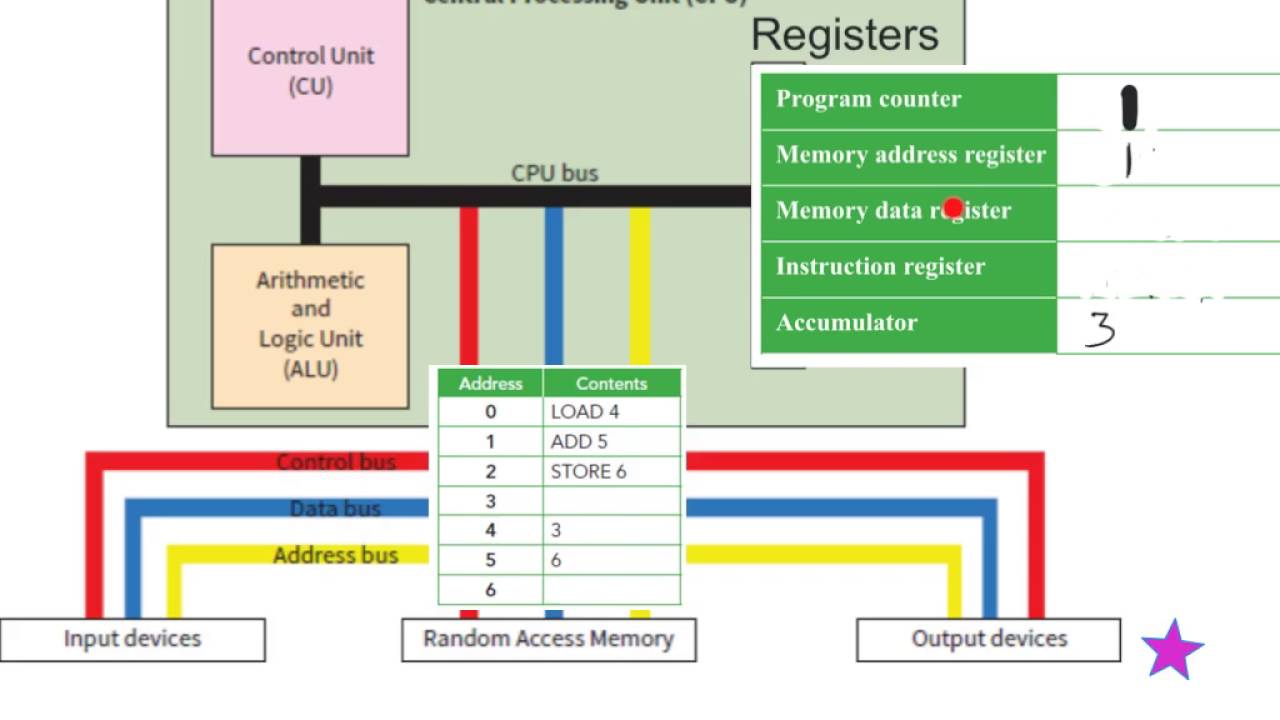
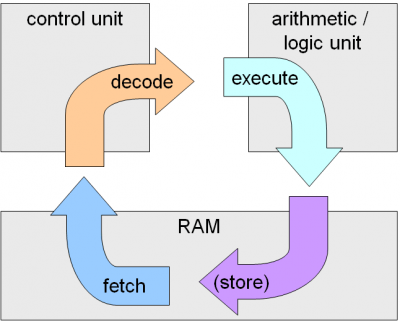
What is the correct sequence of operations between CPU and RAM?
Fetch-decode-execute
Fetch-execute-decode
Decode-fetch-execute
Fetch-execute-fetch
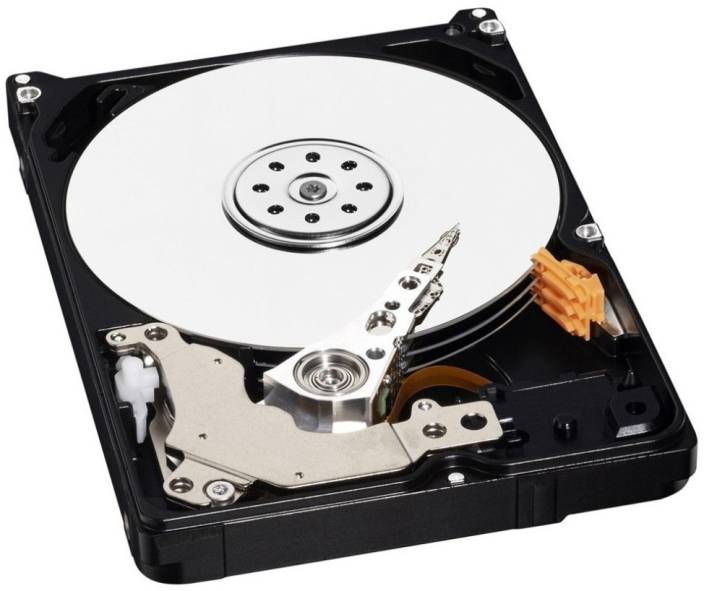
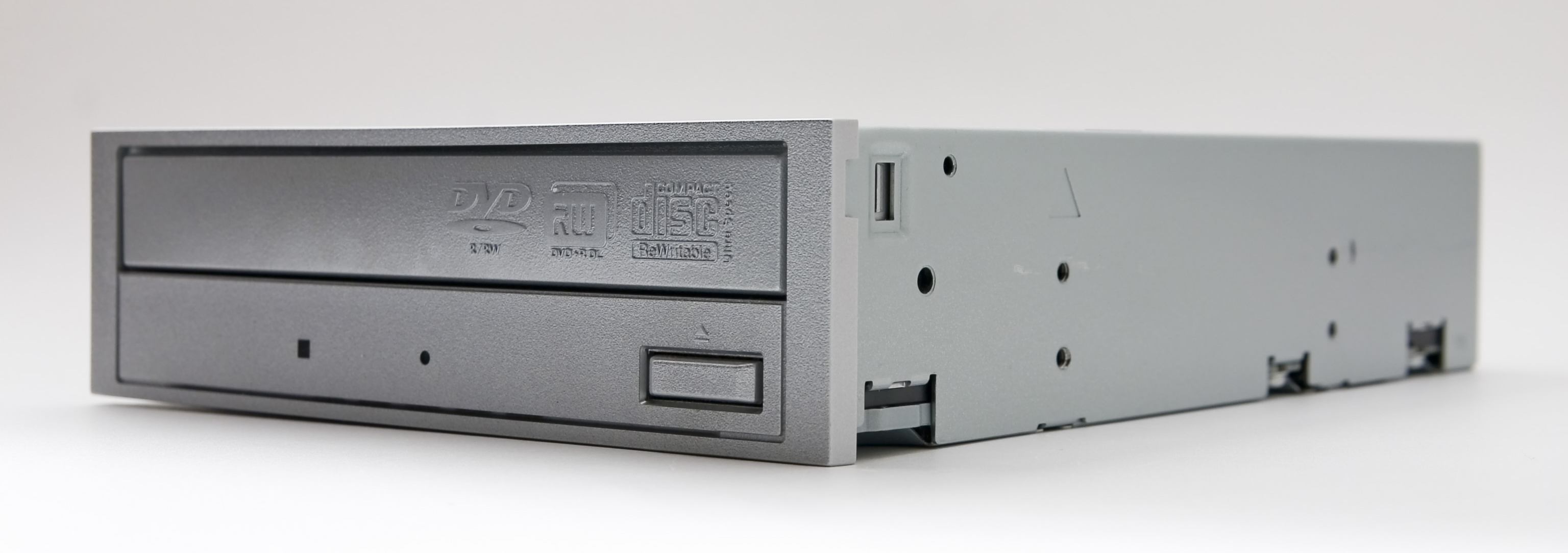
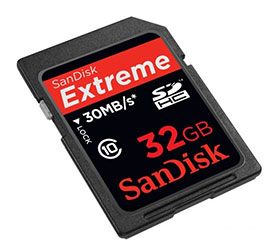
What type of storage does this device use?
Magnetic
Optical
Electrical
Cloud
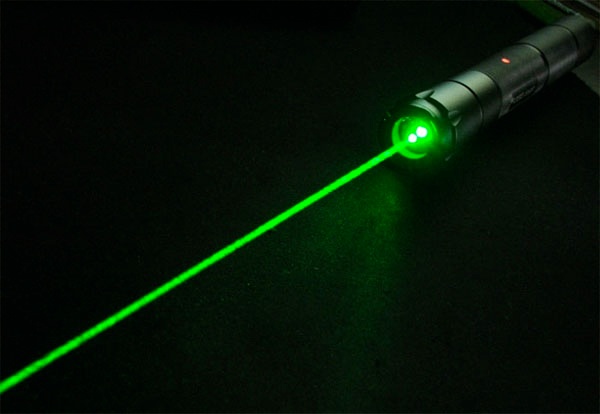
Which secondary storage device make use of a laser light?
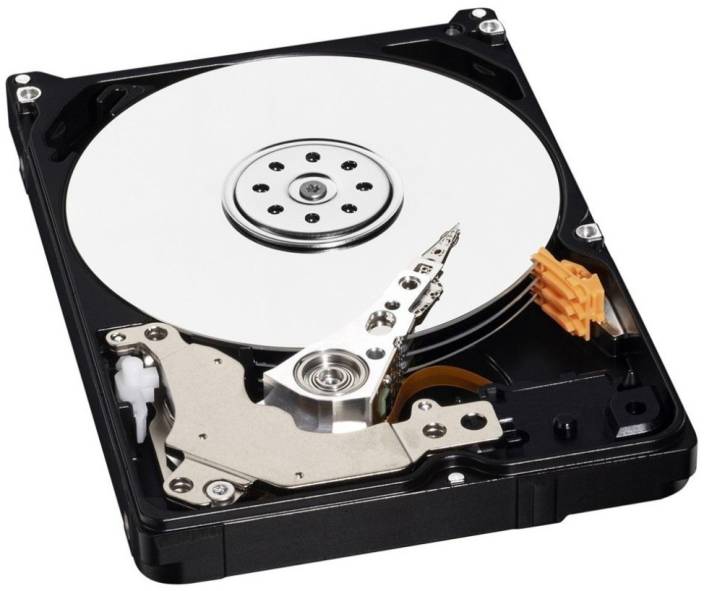
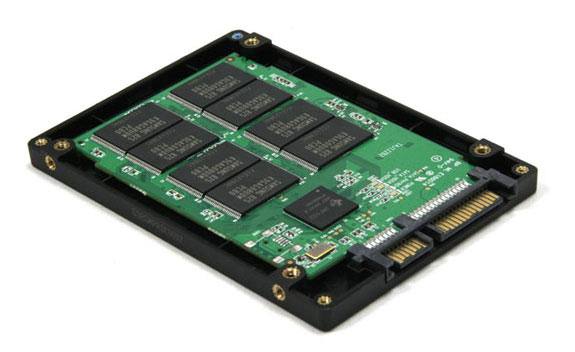
What types of storage would usually be found in an embedded system? (select all that apply ...)
ROM
RAM
HDD
SSD

Which types of memory storage are volatile? (choose all that apply ...)
RAM
ROM
Flash
Cache
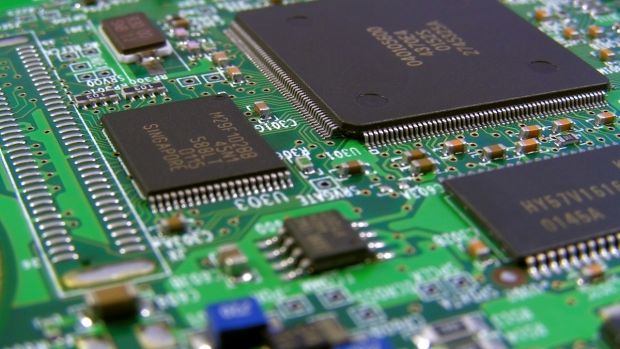
Which is the main reason for having cache memory?
To be able to run more powerful programs
To compensate for the difference in speed of the CPU and RAM access times.
To increase the size of main memory
To allow you to run a program with less RAM
Choose all the factors that could potentially affect the performance of the CPU ...
Frequency of internal clock
Number of processor cores
Size of cache memory
Type of cache (L1, L2, L3)
Amount of RAM
Choose 2 actions that could help improve the CPU performance ...
Increase amount of RAM
Replace dual-core with quad-core processor
Increase size of cache
Replace HDD with SSD
Which of the followings is not a processing unit?
CPU
Mainboard
RAM
Hard disk
What is the order in the CPU operation cycle?
Fetch
Decode
Execute
Match the following registers with stored values
Accumulator
Intermediary values for calculation
Program Counter
Address of next instruction
Memory Address Register
Address of data or instruction to be operated
Memory Data Register
Data or instruction to be operated
Which of the followings is a component that calculates and compares?
ALU
CU
PC
RAM
What is the functionality of the Control Unit?
Controls the operation cycle in the CPU
Stores temporary values
Performs arithmetic operations
Prints output on the screen
What does RAM stand for?
Rare Access Moment
Random Access Memory
Random Acquire Mainboard
Rapid Application Memory
Which of the followings are not registers?
More than one correct answer
Program Counter
Accumulator
Control Unit
ALU
CIR
What is the component of the CPU that changes the cycles?
(a)
Match the following bus types with usage
Address
Transfers addresses of data and instructions
Control
Transfers values inside registers
Data
Transfers data between CPU and RAM
CPU has only four instructions.
True
False
Which of the followings is NOT a factor of CPU performance?
Number of cores
Clockspeed
Cache
Memory capacity
What is the name of the frequency of cycle operations?
(a)
Which of the following are not registers?
More than one correct answer
Program Counter
Accumulator
Control Unit
ALU
CIR
Why does the ALU need the ACC? What would happen if it did not have this special register?
The ALU needs the ACC to store interim results of calculations. If it did not have the accumulator,
it would need to write and read the interim result to and from RAM each time.
The ALU needs the ACC to perform arithmetic operations. If it did not have the accumulator, it would not be able to perform any calculations.
The ALU needs the ACC to store the output of calculations. If it did not have the accumulator, it would not be able to store the results of calculations.
The ALU needs the ACC to remember the previous calculation. If it did not have the accumulator, it would not be able to remember the previous calculation.
A register that holds the address of the next instruction to
be processed.
Program Counter
A register that stores the address of where data or an
instruction is located in RAM.
Memory Address register
A component that sends signals to control the interactions
of all other components during the fetch-execute cycle.
Control Unit
A component that performs all calculations and logical
operations required during the fetch-execute cycle.
Arithmetic Logic Unit
A bus that is used to transmit control signals that are sent by
the control unit.
Control bus
Which CPU can process more instructions at the same time?
Quad core
AMD Ryzen 7
Intel Pentium 4
Duel core
It captures light through a lens and
converts it into binary. (a)
It allows the user to press keys that
have a designated ASCII/Unicode
value that is converted to binary.
Keyboard
It captures the light that is bounced back from a laser that is shone from the device to the surface underneath, to track the device movement
Optical mouse
It uses a sensor or a camera to capture light reflected from a special
code and converts it to binary.
QR Scanner
It is a component that outputs an action, often a type of movement, that causes another device to operate.
Actuator
This is a screen that shines light through crystals to output an
image.
Liquid Crystal Display

What type of sensor is being activated in the picture?
Accelerometer
Infrared Sensor
Pressure Sensor
Light Sensor
Is a sensor an example of an input or output device?
INPUT
OUTPUT

When will your computer use virtual memory?
When the RAM is full
When the computer is turned on
When the computer is booted up
When the hard drive is full

What is this?
Network Interface Card
A graphics card
A sound card
A USB drive

