
 Worksheets
Evolution and Earth History Review
Total questions: 30
Worksheet time: 27mins
Which type of rock are most fossils found?
sedimentary rock
metamorphic rock
igneous rock
fossils
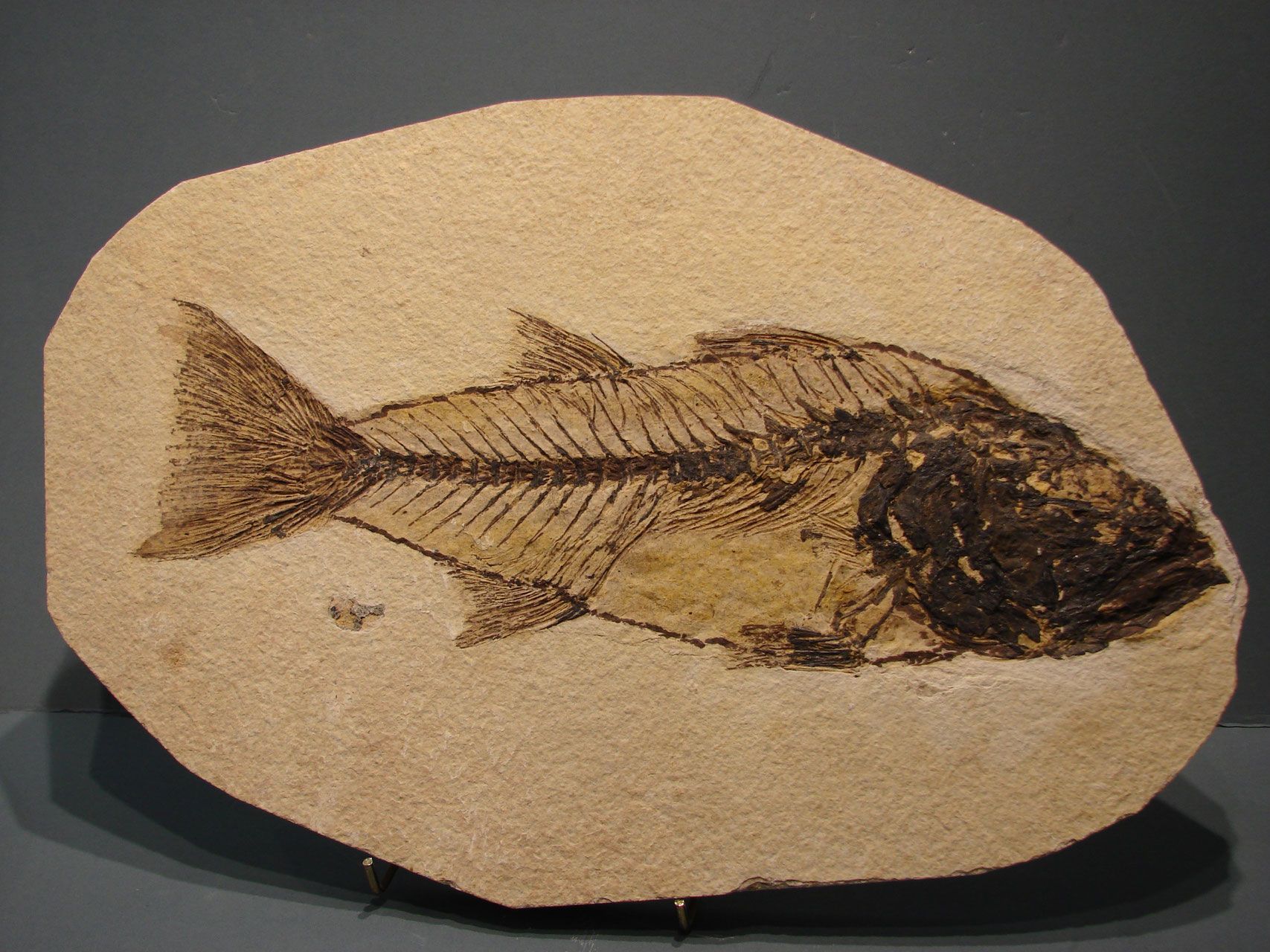
If a scientist found a fish fossil in the desert, what can they infer?
An animal ate the fish.
The water covered the area long ago.
Today's fish looks the same
The fish is endangered.
What needs to happen FIRST for a fossil to form?
A plant or animal must be covered by sediment.
A plant or animal must die and decompose.
Sediments fill a a mold to form a cast.
An earthquake shifts the land up.
What needs to happen SECOND for a fossil to form?
A plant or animal must be covered by sediment.
A plant or animal must die and decompose.
Sediments fill a a mold to form a cast.
An earthquake shifts the land up.

Which part of an organism's body typically fossilizes?
Cartilage
Skin and muscles
Teeth and bones
Hair and organs

Which of these can often cause extinction of a species? Check all that apply.
Disease
Over-hunting
Invasive Species
Loss of habitat
Lack of food resources
How long ago did the Earth form?
4,600 years ago
460,000 years ago
4.6 billion years ago
Which came first in Geologic Time?
Cenozoic Era
Mesozoic Era
Paleozoic Era
Precambrian Time
During which time segment of the Geologic Time Scale did fish first appear?
Cenozoic Era
Mesozoic Era
Paleozoic Era
Precambrian Time
During which time segment of the Geologic Time Scale did dinosaurs live?
Cenozoic Era
Mesozoic Era
Paleozoic Era
Precambrian Time
According to the fossil record, which evolved first?
vertebrates
invertebrates
the evolved at the same time
Pangaea formed near the end of the Paleozoic Era. What was Pangaea?
a species of lemur
a lake in Brazil
a giant landmass of continents

A trait or change in lifestyle that helps a plant or animal survive in its environment
adaptation
evolution
homologous
vestigial
Parts of the body that are similar to other species because they have a common ancestor
fossil record
homologous structures
embryology
Body part you have that use to have a purpose but now has little or no function
vestigial organ
embryology
homologous structures
Scientist that contributed the most to our understanding of evolution
Darwin
Lamarck
Body parts that are similar in function but different in structure
vestigial structures
analogous structures
homologous structures
Insect wings and bird wings are examples of
vestigial structures
analogous structures
homologous structures
Which structure is homologous to the human arm?
fish's fin
bat's wing
bird's bill
insect's wing

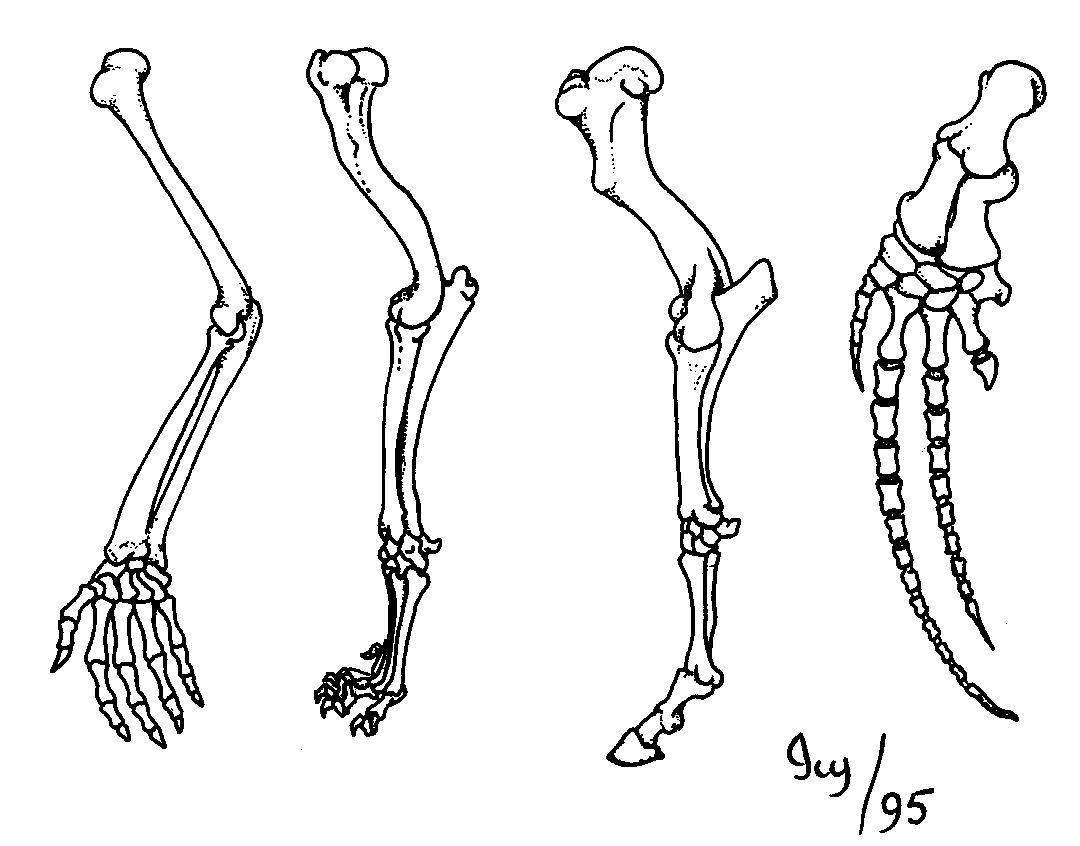
What type of evidence is represented in the picture above:
Vestigial Structures
DNA
Fossils
Homologous structures

