
 Worksheets
Personal Finance Midterm Review
Total questions: 48
Worksheet time: 38mins
Which of the following represents the 50/20/30 Rule for budgeting?
20% Needs, 50% Wants, 30% Savings
50% Savings, 30% Needs, 20% Wants
30% Wants, 50% Savings, 20% Needs
50% Needs, 30% Wants, 20% Savings
Which of the following are needs?
Select all that apply
Food
Video Games
Clothing
Car
Microwave Oven
The total amount of money you receive in a paycheck before anything is taken out is called what?
Net Pay/Income
Savings
Income Taxes
Gross Pay/Income
Money that is deducted from a person's income or a company's profits for federal or state purposes.
Income Taxes
Expenses
Bills
Net Pay
Money that is set aside for future short or long term goals or emergencies is called what?
Allowance
Needs
Savings
Wants
A plan for spending and saving income during a set period of time.
401k Retirement Account
Net pay
Budget
Social Security
Which is a saving strategy where you put a fixed amount of money into a savings account immediately after receiving your paycheck instead of seeing what is left after paying for needs and wants?
50/20/30 Rule
Pay Yourself First
Medicaid
Income Taxes
The interest rate a credit card user will be charged on the unpaid portion of their balance
High Rate Method
Credit
Credit Bureau
Annual Percentage Rate (APR)
A record of a person's use of credit over time
Credit Score
Credit History
Collections
Credit Report
A three-digit number (ranging from 300-850) based on an individual's credit history detailed in a credit report
Credit Score
High Rate Method
Bankruptcy
Credit History
The most commonly used credit score
Credit Utilization Rate
Credit Report
Fico Score
Credit Counselor
You should check your credit report from each of the three main credit bureaus at least once per year by requesting copies from AnnualCreditReport.com.
Fact
Myth
When do you start paying taxes?
When you turn 18
When you make more than the minimum income requirement
When you get a full-time job (part-time does not count)
When you are notified by the IRS that you are required to pay federal income taxes
What is the key difference between Net Pay and Gross Pay?
Net pay is the total amount of money you get BEFORE taxes are deducted.
Gross pay is the total amount of money you get AFTER taxes are deducted.
Net pay is the total amount of money you get AFTER taxes are deducted.
Gross pay is the total amount of money you get BEFORE retirement, healthcare, and dental care have been deducted.
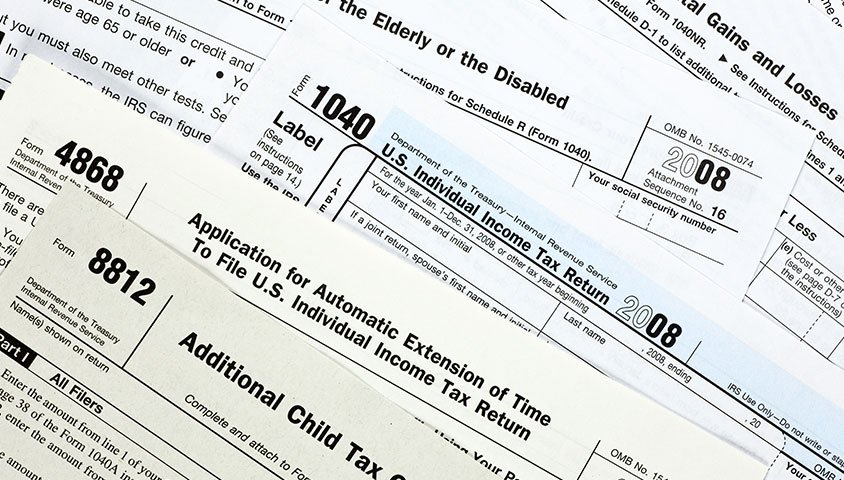
The W-4 form lets...
the government know how much you paid in taxes last year
your employer know how much to withhold from your paycheck
the 3 major credit bureaus know how many dependents you have
you know how much you paid in taxes last year
Which of the following is NOT a way you can file your taxes?
Through a tax professional
Mailing in a paper tax return to the Federal government
Using tax software like TurboTax
Through your employer's HR department
You are starting your first job and you are asked to complete some paperwork on your first day. Which form will determine how much money is withheld from your paycheck for federal and state income taxes?
W-2
1099
W-4
I-9
When you complete your 1040 form, if you overpaid your taxes and the government owes you money, that is called a
withholding
direct deposit
deduction
refund
What tax form am I/ I am received in January. There is one of me for every employer that you worked for in the previous year. I have information on how much you earned and how much you paid in taxes for the previous calendar year.
1040
I-9
W-4
W-2

How do banks make money off of the credit they issue?
They charge a large, one-time fee at the start of the loan
They take out a small fee each month from your checking account
They charge a high interest rate on the loan
This is a trick question - they DON'T make money!

Why does the amount of INTEREST you owe on a loan decrease over time?
The institution trusts you more, so they lower the interest
With each payment, principal increases; so interest lowers
Banks are legally required to lower interest rates over time
With each payment, principal decreases, so interest lowers

How do you avoid paying interest on your credit card (or any other loan for that matter)?
Always make the minimum payment over time
Pay interest 1st, then pay what you can on leftover balance
Always make the full payment on time
Pay the principal 1st, then pay what you can on interest

Which is TRUE when you make only the minimum payment each month?
You are charged interest on the remaining balance
Your credit line is restored to its maximum amount
Credit card companies have permission to sell your information
It is the fastest way to pay off your debt

How are a credit score and credit report related?
A credit report is determined by the factors in your score
A credit score is determined by the factors in your report
Credit reports are less important than your credit score
They're not related at all

Where can you get a free copy of your credit report from all three agencies? It is the only site we discussed in class.
annualcreditreport.com
freecreditreport.com
getmycreditreport.com
creditreport.gov

What information can you find on a credit report?
Your medical insurance information
Your parents' and siblings' contact information
Your education level
Inquiries you've made on new lines of credit

To create an emergency fund
To pay for higher education
To save for a new car
To buy groceries for this week
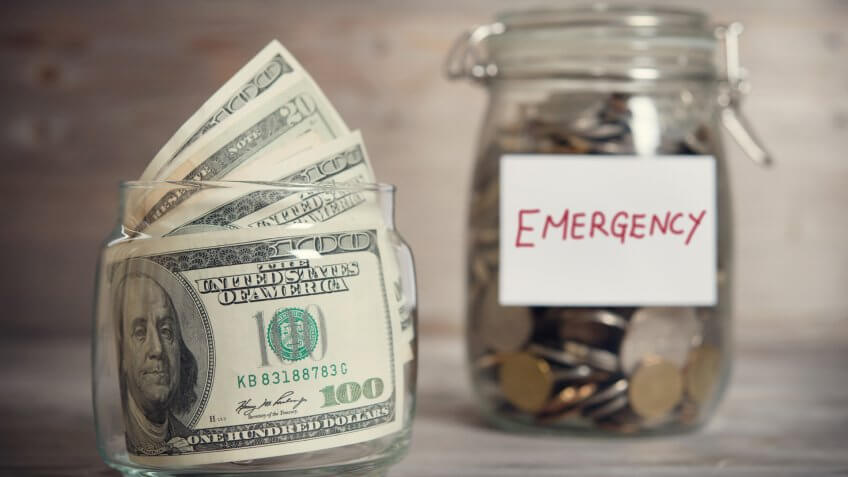
1-3 months of living expenses
3-6 months of living expenses
6-9 months of living expenses
9-12 months of living expenses
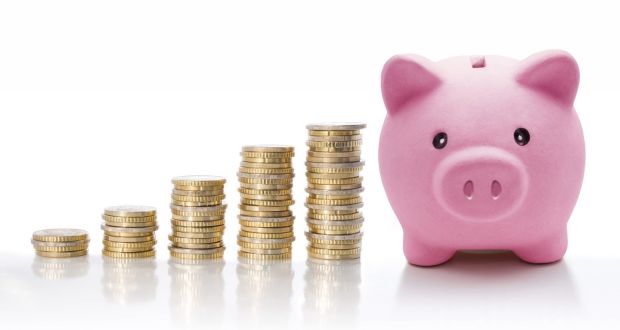
1st, spend money on all expenses; put the rest into saving
Tap into your savings on a regular basis to purchase small items, like snacks
Pay yourself first - set aside money for savings each month
Keep your spending and saving money together in 1 account
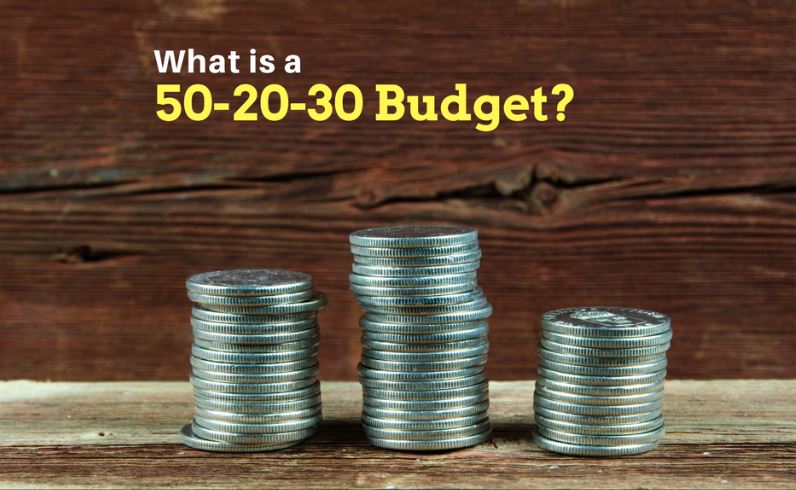
How does the 50-30-20 rule distribute your income?
50% expenses, 20% flexible spending, 30% saving
50% expenses, 20% saving, 30% flexible spending
50% flexible spending, 20% saving, 30% expenses
50% saving, 20% flexible spending, 30% expenses

Which is TRUE about online saving accounts? (hint: choose 2 correct answers)
Usually have higher interest rates than non-online accounts
They usually have lower costs compared to brick-and-mortar banks
Online accounts are not FDIC insured
You can withdraw money an unlimited # of times
What might you need to open a savings account? (hint: choose 2 correct answers)
Minimum opening deposit
Your previous year's tax returns (or your parents')
The routing number to a checking account
Identification

People who are unbanked are most likely to...
Use a mobile banking app
Receive a monthly statement of their transactions
Deposit their checks at the ATM
Incur lots of fees at Check Cashers to access their money

Which of the following is TRUE about checks? (hint: choose 2 correct answers)
You should endorse the back when writing a check
The amount of money is written both numerically and in words
Checks should show up on your statement within 30 days
You should endorse the back when depositing a check

It can help you identify mistakes in your bank statement
It can help you avoid writing checks that cause an overdraft
You can submit them to the bank and verify each transaction
You know exactly how much money you have left to spend
Which of the following transactions will REDUCE the amount of money in your checking account?
Deposit a check your uncle gives you for your birthday
Use your debit card to get money from an ATM
Buy an expensive new bike using cash
Transfer funds from your saving account to your checking account
Putting money into a savings account before paying expenses.
Pay yourself first
Pay yourself last
Budgeting
Goal setting
Online savings account
Is not FDIC insured
No physical bank to do business at
No advantages over traditional savings accounts
Is an investment, not a savings
Money set aside for unanticipated expenses or loss of income
Disposable Fund
Sinking Fund
Emergency Fund
Savings Fund
Treat yourself to something you want before spending any other money.
Set money aside for your Christmas savings fund.
put at least 10% of your income in a savings account before spending any money.
Make sure all of your bills and other expenses are paid before saving money.
Automatic electronic deposit of net pay into a employees;s designated bank account
Direct Deposit
Online Savings Account
Annuity
Certificate of Deposit
You want to take earnings from your part-time job to pay for a new laptop. Your monthly take-home pay is $500 and the laptop costs $1,200. What percentage of your pay do you need to save in order to buy the laptop in 12 months?
5%
10%
15%
20%
Experts recommend that you accumulate enough to cover 3 to 6 __________________ of expenses in your emergency fund.
Days
Weeks
Months
Years
How is an online savings account different from a traditional savings account?
An online savings account includes a mobile app, while a traditional savings account does not
An online savings account is offered by a bank that customers can only access online rather than at a physical bank branch
Online savings accounts will only offer electronic statements rather than paper copies
Online savings accounts cannot be FDIC insured, whereas traditional savings accounts can
Three of these statements best describe a checking account. Which statement best describes a savings account?
This account offers a convenient way to pay bills and access cash from an ATM
This account pays you interest on money you have put away for later to help your money grow
This account is automatically debited when you use a debit card
This account typically allows an unlimited number of transactions per month
You overhear your Aunt Michelle tell your mom that she, her husband, and their kids are "living paycheck to paycheck." What does Aunt Michelle mean by that?
Aunt Michelle gets a paycheck one month, and her husband gets a paycheck the next month; they alternate pay periods
Aunt Michelle and her family don't have any money saved, and their paychecks are just barely covering monthly expenses, so they use every dollar every month
Aunt Michelle and her family have high paying jobs and don’t worry much about money
Aunt Michelle uses her paychecks as income to deposit into her checking and savings accounts

