wayground logo

Free Printable Worksheets

Font size

S
M
L
XL
Worksheets

Unit 4 Test Part 1 Review

Total questions: 220

Worksheet time: 5hrs 48mins

Name
Class
Date
1.

Ionic bonds are formed between...

a)

Non - metals

b)

A metal and a non-metal

c)

Metals

2.

Atoms form ions because they want to have a (a)   outer shell.

3.

Ionic bonds are formed between...

a)

Non - metals

b)

A metal and a non-metal

c)

Metals

4.

How is an ionic bond formed?

a)

Sharing of electrons

b)

Delocalised electrons

c)

Transfer of electrons

5.

Select all of the statements below that are correct to describe the structure and properties of ionic compounds...

a)

They have high melting and boiling points

b)

They have a lattice structure

c)

The ions are held together by intermolecular forces

d)

They can conduct electricity when molten

e)

They can conduct electricity when solid

6.

Which of the below is an ionic compounds?

a)

Ni

b)

MgCl2

c)

H2O

d)

CH4

7.

An example of an ionic compound is Sodium Chloride, which is made from Na+ and Cl- ions. Why do these ions form an ionic bond?

a)

They have like charges

b)

They are from the same group

c)

They are from the same period

d)

They have opposite charges

8.

Lithium is in group 1 of the periodic table, which ion would it form?

a)

Li-

b)

Li2-

c)

Li+

d)

Li2+

9.

Oxygen is in group 6 of the periodic table, which ion would it form?

a)

O-

b)

O+

c)

O2-

d)

O2+

10.

Lead Chloride is an ionic compound, made up from Pb2+ ions and Cl- ions. Which is the correct formula for this compound?

a)

PbCl3

b)

PbCl

c)

PbCl4

d)

PbCl2

11.

Magnesium Hydroxide is an ionic compound made up from Mg2+ and OH- ions. Which is its correct formula?

a)

MgOH

b)

MgOH2

c)

Mg(OH)2

d)

MgO

12.
Nitrogen will form which of the following ions?
a)
N
b)
N-3
c)
N-5
d)
N+5
13.
Beryllium will ____ valence electrons when forming an ionic bond.
a)
lose 4
b)
gain 4
c)
lose 2
d)
gain 2
14.
In the chemical formula for an ionic compound, which item is written first?
a)
positive ion
b)
negative ion
c)
subscript
d)
the female
15.
Magnesium bromide is an ionic compound with the chemical formula MgBr₂.  What does the "2" tell you?
a)
There are 2 bromide ions for every magnesium ion
b)
Bromide has a 2- charge
c)
Bromide has a 2+ charge
d)
There are 2 magnesium ions to every bromide ion
16.
Which is the correct name for CaBr2?
a)
Calcium Bromine
b)
Bromine Calcium
c)
Calcium Bromide
d)
Carbon and Bromine
17.

Which is the correct formula for aluminum sulfide?

a)

AlS

b)

Al3S2

c)

S3Al2

d)

Al2S3

18.

Which of the following is true for ionic bonding & ionic compounds?

a)

They must be made of ions with like charges.

b)

The negative ion must be written first.

c)

Compounds must have an overall charge of zero.

d)

They are made of metals and nonmetals.

e)

The positive ion must be written first.

19.

The formula for beryllium phosphide will contain (a)   phosphide ions.

20.

Oxygen has (a)   valence electrons.

21.
What is the formula for aluminum fluoride?
a)
AlF
b)
Al2F3
c)
AlF3
d)
Al3F2
22.
Metals tend to 
a)
gain electrons
b)
lose electrons
23.
What is the correct formula for the compound, lithium oxide?
a)
LiO
b)
Li2O
c)
LiO2
d)
Li2O2
24.

What is the charge of ion "X" in the formula XF3?

a)

+3

b)

-3

c)

+1

d)

-1

25.

What is the charge of ion "X" in CaX?

a)

+1

b)

-1

c)

+2

d)

-2

26.

Which of the following pairs of elements will NOT form an ionic compound?

a)

sodium and fluorine

b)

phosphorous and aluminum

c)

potassium and magnesium

d)

strontium and oxygen

27.

Which of the following could NOT form an ionic compound? Check all that apply.

a)

Li+ and Cl-

b)

F- and O2-

c)

Ba2+ and Ag+

d)

Mg2+ and S2-

28.

Which of the following could form an ionic compound? Check all that apply.

a)

Na+ and F-

b)

S2- and O2-

c)

Ca2+ and Fe3+

d)

Mg2+ and Cl-

29.

In an ionic bond, the ions are held together because...

a)

the positive nucleus of each ion attracts the other ion's negatively charged electrons

b)

the ions have opposite charges

c)

as the electron moved from one atom to another it pulled the atom along with it

d)

electrons are being shared

30.

Which element(s) will lose valence electrons to form an ion? Check all that apply.

a)

Phosphorus

b)

Iron

c)

Barium

d)

Neon

31.

Which element(s) will form negative ions? Check all that apply.

a)

Potassium

b)

Sulfur

c)

Iodine

d)

Magnesium

32.

Which of the following pairs of elements could NOT react to form an ionic compound?

a)

Carbon and Oxygen

b)

Potassium and Fluorine

c)

Silver and Oxygen

d)

Aluminum and Chlorine

33.

Calcium Fluoride has a chemical formula of CaF2. What does the chemical formula tell you?

a)

There are 2 Calcium ions for every 1 Fluoride ion in the crystal

b)

There is 1 Calcium ion for every 2 Fluoride ions in the crystal

34.

The following ionic crystal has 6 Fe ions (red) and 9 O ions (blue). What is the formula for this ionic crystal?

a)

FeO

b)

Fe2O3

c)

Fe3O2

d)

Fe6O9

35.

The following ionic crystal has 4 Sr ions (red) and 8 Br ions (blue). What is the formula for this ionic crystal?

a)

SrBr

b)

SrBr2

c)

Sr2Br

d)

Sr4Br8

36.

The following ionic crystal has 4 Al ions (red) and 6 O ions (blue). What is the formula for this ionic crystal?

a)

Al3O2

b)

Al4O5

c)

Al4O6

d)

Al2O3

37.
Magnesium ion would take a charge of
a)
1+
b)
2+
c)
3+
d)
0
38.
Nitride
a)
has gained e-
b)
has lost e-
c)
is a cation
d)
doesn't exist
39.
The charge of V in V2O5 is?
a)
2+
b)
3+
c)
4+
d)
5+
40.
Which of the following elements would require Roman Numerals when it is named?
a)
Ga
b)
Ca
c)
B
d)
Au
41.
The correct name for the compound between sodium and sulfur is
a)
sodium sulfuride
b)
sodiumide sulfuride
c)
sodium sulfide
d)
sodium(I) sulfide
42.
How many of the aluminum ion are needed to form an ionic compound with chlorine
a)
0
b)
1
c)
2
d)
3
43.
Copper and phosphorus form an ionic compound. Which could be a possible name for their compound?
a)
Copper phosphorus
b)
Copper(I) phosphorus
c)
copper phosphide
d)
Copper(II) phosphide
44.
The formula for iron(III) oxide is
a)
FeO
b)
Fe3O
c)
Fe2O3
d)
Fe3O2
45.
Which of the following is incorrectly named?
a)
Sodium nitride
b)
copper(II) oxide
c)
gallium chloride
d)
zinc(II) fluoride
46.
Which of the following is not an ionic compound?
a)
Rb2Se
b)
gold(I) chloride
c)
N2O5
d)
barium phosphide
47.
What is the formula for sodium sulfide?
a)
SSu
b)
NaS
c)
Na2S
d)
NaS2
48.
What is the formula for boron selenide?
a)
B2Se3
b)
BSe
c)
BoSe
d)
B3Se2
49.
What is the charge of Ni in NiBr3?
a)
+2
b)
+3
c)
-3
d)
+6
50.
Which of the following metals gets a roman numeral in its name?
a)
Gallium
b)
Sodium
c)
Strontium
d)
Lead
51.
What is the name of Li3P?
a)
Lithium potassium
b)
Lithium III Phosophide
c)
Lithium3 Phosphide
d)
Lithium Phosphide
52.
Which of these is CoCl4?
a)
cobalt chlorine IV
b)
cobalt chloride
c)
cobalt IV chlorine
d)
cobalt IV chloride
53.
What is the formula for scandium II phosphide?
a)
Sc3P2
b)
S3P2
c)
S2P
d)
ScP
54.
What is the formula for a compound made of Mg2+ and As3-?
a)
Mg3As2
b)
Mg2As3
c)
MgAs
d)
Mg6As4
55.
What is the name for MnO2?
a)
Manganese II oxide
b)
Manganese dioxide
c)
Manganese 2 oxide
d)
Manganese IV oxide
56.
The roman numeral in a compound name indicates ___________________.
a)
the number of metal ions
b)
the charge of the metal ion
c)
nothing
d)
the number of total ions
57.

How do you write the formula for Sodium Chloride?

a)

NaCl2

b)

NaCl

c)

KI

58.

How should you read the formula LiF?

a)

Lithiide Fluorine

b)

Lithium Monofluride

c)

Lithium Fluoride

d)

Lithium Phosphine

59.

How do you write the formula for Gallium Nitride?

a)

GaN

b)

Ga (III) N

c)

GeN

d)

GaNi

60.

What happens to valence electrons in ionic bonding?

a)

The metal loses valence electrons to the nonmetal

b)

The metal and nonmetal share electrons equally

c)

The nonmetal loses valence electrons to the metal

d)

Both the metal and nonmetal lose electrons

61.

What force holds together cations and anions in ionic bonds?

a)

The electrical attraction between the positive cation and the negative anion

b)

The electrons shared between the positive cation and the negative anion

c)

The magnetic attraction between the positive cation and the negative anion

d)

The gravitational attraction between two pieces of matter

62.

How many Oxygen atoms should bond with one Magnesium atom?

a)

1

b)

2

c)

3

d)

4

63.

How many Chlorine atoms should bond with one Aluminum atom?

a)

1

b)

2

c)

3

d)

4

64.

Which pair of elements should form an ionic bond?

a)

Carbon and Oxygen

b)

Sodium and Fluorine

c)

Iron and Chromium

d)

Xenon and Silicon

65.
CsCl
a)
Monocesium monochloride
b)
Cesium monochloride
c)
Cesium Chloride
66.
MgS 
a)
Magnesium sulfide
b)
Monomagnesium monosulfide
c)
Magnesium monosulfide
67.
Na2S
a)

Disodium sulfide

Disodium sulfide

b)
Sodium sulfide
c)
Sodium monosulfide
68.
Al2S3
a)
Dialuminum Trisulfide
b)
Aluminum sulfide
69.

What is the formula for magnesium phosphide?

a)

Mg3P2

b)

Mg2P3

70.
The chemical formula for an ionic compound of potassium and oxygen is
a)
KO.
b)
K2O.
c)
K2O2.
d)
KO2.
71.
Name this compound: 
NaBr
a)
Bromide sodide
b)
Sodium bromide
c)
Sodium bromate
d)
Sodium bromite
72.

Name this compound:

KF

a)

Potassium fluoride

b)

Potassium monofluorite

c)

Fluorine potasside

d)

Potassium monofluoride

73.
What is the correct formula for Sodium Oxide?
a)
NaO
b)
NaO2
c)
Na2O
d)
Na2O2
74.

LiBr is called

a)

lithium monobromine

b)

lithium (I) bromine

c)

lithium bromide

d)

lithuim (I) bromide

75.

Which of the following is an ionic compound:

a)

CH4

b)

I2

c)

LiBr

d)

CO

76.
Name the following ionic compound: BeCl2
a)
beryllium chlorine
b)
beryllium II chloride
c)
beryllium chloride
d)
beryllium dichloride
77.

Name the following compound: NaNO3

a)

Sodium Nitrogen Oxide

b)

Sodium nitrate

c)

Sodium nitrite

d)

Sodium nitride

78.
What is the name of NH4Cl?
a)
nitrogen tetrahydrogen chloride
b)
ammonium chlorine
c)
ammonium chloride
d)
ammonium chlorate
79.
What is the name of K3PO4?
a)
Tripotassium Phosphate
b)
Tripotassium Phosphite
c)
Potassium phosphide
d)
Potassium phosphate
80.
What is the name of Al(NO3)3?
a)
Aluminum trinitrate
b)
Monoaluminum nitrate
c)
Aluminum (III) nitrate
d)
Aluminum Nitrate
81.
What's the name of the compound NH4NO?
a)
nitrogen hydrogen oxygen
b)
ammonium nitrite
c)
nitrogenous water
d)
ammonium nitrate
82.
Name the following ionic compound: MgSO4
a)
magnesium sulfoxide
b)
magnesium sulfide
c)
magnesium sulfate
d)
magnesium oxide
83.
Name the following ionic compound: LiNO3
a)
lithium nitrate
b)
lithium III nitrate
c)
lithium nitride
d)
lithium oxide
84.
Which naming pattern is unique to polyatomic ionic compounds?
a)
they can have prefixes
b)
they can end in -ide
c)
they can end in -ate
d)
they use Roman Numerals
85.
KNO3 is used in fertilizers as a source of potassium and nitrogen. If you want to buy fertilizer with this compound, what chemical name should you look for?
a)
potassium nitrate
b)
potassium nitrite
c)
potassium nitride
d)
potassium nitrogen
86.

An -ate or -ite at the end of a compound name usually indicates that the compound contains _____________.

a)

fewer electrons than protons

b)

neutral molecules

c)

only two elements

d)

a polyatomic anion

87.
What is the name of Al(NO3)3?
a)
Aluminum trinitrate
b)
Monoaluminum nitrate
c)
Aluminum (III) nitrate
d)
Aluminum Nitrate
88.

What is the name of AlPO4?

a)

Aluminum phosphoxie

b)

Monoaluminum tetraphosphate

c)

Aluminum (III) phosphate

d)

Aluminum phosphate

89.
Name this compound: 
NH4F
a)
Ammonia fluoride
b)
Ammonium fluorite
c)
Ammonia fluorate
d)
Ammonium fluoride
90.
What is the name of Mg(OH)2?
a)
Magnesium Hydride
b)
Magnesium Dihydride
c)
Magnesium Dihydroxide
d)
Magnesium Hydroxide
91.
NH4+
a)
nitrogen hydride
b)
ammonium
92.
CN-
a)
cyanide
b)
carbon nitride
93.
SO42-
a)
sulfate
b)
sulfite
94.
PO43-
a)
phosphate
b)
phosphorus oxide
95.
CO32-
a)
carbon oxide
b)
carbonate
96.
ClO3-
a)
chlorite
b)
chlorate
97.

What is the name of CuCl2?

a)

copper (II) chloride

b)

copper chloride

c)

copper (I) dichloride

d)

copper (I) chloride

98.

What is Ca3N2 called?

a)

calcium nitride

b)

calcium (II) nitride

c)

calcium nitrogen

d)

calcium (III) nitride

99.

How would you say Ni3P2?

a)

nickel (II) phosphide

b)

nickel (III) phosphide

c)

nickel phosphide

d)

nickel phosphate

100.
Write the name for Mn(CO3)2 
a)
manganese (IV) carbonate
b)
manganese (II) carbonide
c)
manganese dicarbonate
d)
manganese carbonate
101.

What is the name for VF3?

a)

vanadium trifluorine

b)

vanadium (I) fluoride

c)

vanadium (III) fluorine

d)

vanadium (III) fluoride

e)

vanadium fluoride

102.
What is the name for SrO?
a)
strontium monoxide
b)
strontium oxide
c)
strontium (II) oxide
d)
strontium oxygen (II)
103.

CaCO3 is called...

a)

calcium carbonate

b)

calcium carbide

c)

calcium carbon

d)

calcium (II) carbonate

104.

Roman numerals tell you the ____ of the _______ cation(s) in an ionic compound.

a)

number; metal

b)

number; nonmetal

c)

charge; metal

d)

charge; nonmetal

105.

What is the difference between V3+ and V5+?

a)

V5+ has lost two LESS electrons

b)

V5+ has lost two MORE electrons

c)

V5+ has lost two LESS protons

d)

V5+ has lost two MORE protons

106.

A polyatomic ion is _________.

a)

a groups of atoms that have a charge.

b)

a group of atoms that are neutral.

c)

the charged ion Pa1+

d)

the neutral atom Pa

107.

N3- is ___________

a)

nitrogen

b)

nitride

c)

nitrite

d)

nitrate

108.

O3- is ___________

a)

oxygen

b)

oxide

c)

oxalate

d)

not stable.

109.

What is the charge of manganese in MnO3?

a)

+1

b)

+2

c)

+3

d)

+6

e)

None of the Above

110.

A neutral ionic compound must have ________________.

a)

number of cations = number of anions

b)

charge of cations = charge of anions

c)

number and charge of cations = number and charge of anions

111.

What rule should be followed when writing the metal in an ionic compound?

a)

Change the ending to -ide

b)

List it second and change the ending to -ide

c)

List it first and do not change the name

d)

List it first and change the ending to -ide

112.

What is wrong with the name Fluorine potasside?

a)

The ending should NOT be -ide

b)

The ions are written in the wrong order

c)

Fluorine and potassium will NOT form an ionic bond

d)

The name needs a Roman numeral

113.

The name of FeCl₂ is

a)

iron chloride

b)

iron (II) chloride

c)

iron (I) chloride

d)

iron dichloride

114.

LiBr is called

a)

lithium bromine

b)

lithium (I) bromine

c)

lithium bromide

d)

lithuim (I) bromide

115.

Name the ionic compound SnSe2

a)

Tin diselenide

b)

Tin (IV) Selenide

c)

Tin selenide

d)

Tin (II) triselenide

116.

Which of these combinations is an ionic compound made of?

a)

Metal and Metal

b)

Nonmetal and Nonmetal

c)

Metal and Nonmetal

d)

Cation and Cation

117.

Which of the following combinations would need roman numerals in the name?

a)

potassium + fluorine

b)

beryllium + oxygen

c)

boron + iodine

d)

gold + oxygen

118.

When naming a compound, what must the last part be?

a)

the element with "ide" at the end

b)

the element with the ending "ite"

c)

the name of the element

d)

the element with "ide" at the end, unless its a polyatomic ion

119.

What is the name of the compound Na2(SO4)?

a)

Sodium sulfate

b)

Sodium sulfide

c)

Sodium sulfite

d)

Sodium sulfuroxide

120.

What is the name of the compound Sc(OH)3?

a)

Scandium (III) hydroxide

b)

Scandium (I) hydroxide

c)

Scandium (II) hydroxide

d)

Scandium hydroxide

121.

The name of the compound Ca3(PO4)2

a)

calcium phosphate

b)

tricalcium diphosphate

c)

calcium phosphorus oxide

d)

calcium phosphide

122.

By looking at the formula of an ionic compound, we can determine the charge (oxidation state) of a transition metal.

a)

True

b)

False

123.
ammonium phosphate
a)
(NH4)3PO4
b)
NPO4
c)
NH4PO4
d)
NH4(PO4)3
124.
zinc fluoride
a)
ZnF2
b)
ZnF
c)
Zn2F
d)
Zn2F4
125.
sliver phosphide
a)
Ag3P
b)
Ag3PO4
c)
Ag3PO3
d)
AgP
126.
Sr(OH)2
a)
Strontium Hydroxide
b)
Strontium Hydride
c)
Strontium Dihydroxide
d)
Strontium Dioxygen Dihydride
127.
What is the formula for copper(I) sulfate?
a)
CuSO3
b)
CuSO4
c)
Cu2SO3
d)
Cu2SO4
128.
Name this compound: 
NaBr
a)
Bromide sodide
b)
Sodium bromide
c)
Sodium bromate
d)
Sodium bromite
129.
The chemical formula of magnesium hydroxide is
a)
MgOH₂
b)
Mg(OH)₂
c)
Mg(OH)
d)
MgH₂
130.
Name this compound: 
KF
a)
Potassium fluoride
b)
Potassium fluorite
c)
Fluorine potasside 
d)
Potassium fluorate
131.
In the compound TiO2, titanium has a charge of
a)
4+
b)
2+
c)
2-
d)
4-
132.
When metals bond with non-metals they form what type of bonds
a)
covalent
b)
ionic
c)
cooperative
d)
lewis
133.
Name the following compound: 
N2O4
a)
dinitrogren tetraoxide
b)
tetranitrogen dioxide
c)
nitrogen oxide
d)
dinitrogen tetraoxygen
134.
Name the following compound: 
CO2
a)
monocarbon dioxide
b)
carbon oxide
c)
carbon dioxide
d)
oxygen carbonide
135.
Name the following compound: 
CCl4
a)
monocarbon quadchloride
b)
carbon tetrachloride
c)
carbon chloride
d)
monocarbon quadchloide
136.
Name the following compound:
NF3
a)
nitrogen triflouride
b)
mononitrogen triflouride
c)
nitrogen flouride
d)
tetranitroflouide
137.
Name the following compound:
H2O
a)
hydrogen oxide
b)
dihydrogen oxide
c)
trihydroxide
d)
dihydrogen monoxide
138.
Write the formula for:
dinitrogen tetroxide
a)
N2O4
b)
NO2
c)
NO
d)
N4O8
139.
Write the formula for:
dinitrogen pentoxide
a)
NO
b)
N2O5
c)
2NO5
d)
O5N
140.
Write the formula for:
disulfur decafluoride
a)
2SF10
b)
SF5
c)
S2F10
d)
F10S2
141.
Write the formula for:
chlorine trifluoride
a)
ClF3
b)
ClF
c)
Cl3F
d)
3ClF
142.
Write the formula for:
trilithium mononitride
a)
Li2N1
b)
Li3N3
c)
LiN3
d)
Li3N
143.
Elements combine to form __________.
a)
compounds
b)
atoms
c)
positive ions
d)
negative ions
144.
What part of an atom is involved in chemical bonding?
a)
protons
b)
neutrons
c)
electrons
d)
nucleus
145.
A ________ is a model of an atom in which each dot represents a valence electron.
a)
Valence electron
b)
Electron dot diagram/Lewis dot structure
c)
Lewis bond structure
146.
How many valence electrons does nitrogen have?
a)
3
b)

2

c)
5
d)
1
147.
How many valence electrons does hydrogen have?
a)
3
b)
2
c)
5
d)
1
148.
Where are the non-metals located on the periodic table?
a)
All over
b)
On the left side of the "staircase"
c)
On the right side of the "staircase"
149.
Compounds made from only nonmetals are _________________ compounds.
a)
ionic
b)
covalent
c)
metallic
d)
chemical
150.
A covalent bond involves a __________ of electrons.
a)
sharing
b)
borrowing
c)
exchanging
d)
switching
151.
Low melting point and low solubility in water are general properties of ______________________ compounds
a)
ionic
b)
covalent
c)
chemical
d)
glucose
152.
A __________ is a number written to the right of a chemical symbol and slightly below it.
a)
subscript
b)
coefficient
c)
chemical formula
d)
compound
153.
The chemical formula shows one carbon atom bonded to __________ oxygen atoms.
a)
one
b)
two
c)
three
d)
four
154.

What two types of atoms make a covalent bond?

a)

2 non-metals

b)

1 metal and 1 non-metal

c)

2 metals

155.

What type of bond involves the sharing of electrons between atoms?

a)

covalent bond

b)

ionic bond

c)

metallic bond

d)

transfer bond

156.
In chemical compounds, covalent bonds form when
a)
the electronegativity difference between two atoms is very large.
b)
electrons are completely transferred between two metals.
c)

pairs of electrons are shared between two non-metal atoms.

d)

two non-metal atoms are attracted to each other by opposite charges.

157.
What is it called when atoms share one pair of electrons?
a)
A double bond
b)
A triple bond
c)
A quadruple bond
d)
A single bond
158.
What is it called when atoms share two pairs of electrons?
a)
A double bond
b)
A single bond
c)
A triple bond
d)
A quadruple bond
159.

What is it called if there are three pairs of electrons being shared?

a)
Triple bond
b)
Bond length
c)
Tribond
d)
Chocolate Mousse
160.

Identify the following compound as ionic or covalent: SO2

a)

ionic

b)

covalent

161.

Identify the following compound as ionic or covalent: Ca(OH)2

a)

ionic

b)

covalent

162.

Identify the following compound as ionic or covalent: CH3COOH

a)

ionic

b)

covalent

163.

When naming covalent compounds,

a)

roman numerals are needed but no prefixes required

b)

both roman numerals or prefixes are not required

c)

both roman numerals and prefixes must be included

d)

prefixes are needed but roman numerals are not required

164.
Carbon dioxide
a)
C2O2
b)
C20
c)
CO
d)
CO2
165.
Phosphorous trichloride
a)
PCl3
b)
P3Cl
c)
P3Cl3
d)
PCL
166.
Bromine monoflouride
a)
Br1F1
b)
BrF
c)
Br2F
d)
BrF2
167.
Disulfur trioxide
a)
S3O2
b)
SO
c)
S2O3
d)
S2O
168.
CO
a)
Carbon Oxide
b)
Carbon Oxygen
c)
Dicarbon dioxide
d)
Carbon Monoxide
169.
As4O10
a)
arsenic oxide
b)
quadarsenic decoxide
c)
tetraarsenic decoxide
d)
arsenic decoxide
170.
P3F4
a)
Phosphorous fluoride
b)
Triphosphorous tetrafluoride
c)
Phosphate Fluoride
d)
Trifluoride hexafluoride
171.
BrP
a)
Bromide phosphide
b)
Bromide phosphate
c)
Monobromide monophosphide
d)
Bromide monophosphide
172.
N2O5
a)
Nitrogen Oxide
b)
Dinitrogen pentaoxide
c)
Nitrate pentaoxide
d)
Dinitrate pentaoxide
173.
Tribromine nonoxide
a)
Br3O9
b)
Br3O10
c)
Br3O6
d)
Br3O4
174.
What is the prefix for one?
a)
Mono
b)
Uno
c)
Due
d)
Muni
175.
The prefix for 4 is?
a)
quatro
b)
tetra
c)
quarto
d)
tri
176.
SeF4
a)
Tetraselenium fluoride
b)
Selenium Fluoride
c)
Selenium tetraflouride
d)
Selenium (IV) Fluoride
177.
Write the correct name for PN.
a)
monophosphorus nitride
b)
phosphorus mononitrogen
c)
phosphorus mononitride
d)
monophosphorus mononitride
178.
Write the correct name for SO3.
a)
sulfurous oxide
b)
sulfite
c)
monosulfur trioxide
d)
sulfur trioxide
179.
How many valence electrons does nitrogen have?
a)
3
b)
2
c)
5
d)
1
180.
What can be generalized about covalent bonds?
a)
Electrons will be exchanged.
b)
Electrons will be transferred.
c)
Electrons will be given and taken.
d)
Electrons will be shared.
181.

What is it called if there are three-pairs of electrons being shared?

a)

Triple Bond

b)

Three Single Bonds

c)

Tribond

d)

Double and Single Bond Combo

182.

Which of the following is the best representation of a molecule of fluorine (F2)?

a)

A

b)

B

c)

C

d)

D

183.

Carbon is in 4A, so how many bonds can it form based on electrons needed to fill its outer shell?

a)

1

b)

3

c)

4

d)

5

184.
What two types of atoms make a covalent bond?
a)
2 Nonmetals
b)
1 Nonmetal & 1 Metal
c)
2 Metals
d)
2 Noble Gases
185.
What is a diatomic element?
a)
a metal bonded with a nonmetal
b)
2 or more nonmetals bonded together
c)
2 or more metals bonded together
d)
2 atoms of the same element bonded together
186.
How many electrons are shared in a double bond?
a)
2
b)
4
c)
6
d)
8
187.

What bond is formed between a metal and a nonmetal?

a)

Covalent bond

b)

Ionic bond

c)

Hydrogen bond

d)

Metallic bond

188.

When two nonmetals do not share electrons evenly, the resulting covalent bond will be

a)

nonpolar

b)

polar

c)

ionic

d)

metallic

189.

Since covalent compounds do not have free charges, they are

a)

good conductors

b)

poor conductors

c)

ionic

d)

metallic

190.
Most covalent compounds are do not exist in which state?
a)
solid
b)
liquid
c)
gas
191.
The number of bonds an element will form in a covalent compound will be equal to
a)
the number of valence electrons
b)
eight electrons
c)
the number of electrons needed to reach an octet
d)
the group number
192.

Which would be the only situation where valence electrons would be shared evenly?

a)

metals and nonmetals

b)

different nonmetals

c)

nonmetals of the same element

d)

metalloids of the same element

193.

Which formula is for phosphorus trichloride?

a)

KCl3

b)

PCl3

c)

K3Cl

d)

P3Cl

194.

Silicon dioxide is the compound in sand. What is its formula?

a)

SO2

b)

NaO2

c)

SiO2

d)

SiO

195.
The chemical formula of sulfur hexabromide is
a)
SBr₆
b)
S₆Br
c)
S(VI)Br
d)
S6Br
196.

What is the formula for diphosphorus pentoxide?

a)

P2O5

b)

PO5

c)

P5O2

d)

P2O6

197.
What is the correct name for NO?
a)
Mononitrogen Monoxide
b)
Nitrogen Monoxide
c)
Mononitrogen Dioxide
d)
Nitrogen Oxide
198.
Which of the following is NOT an ionic compound:
a)
CaO
b)
NaOH
c)
BaCl2
d)
Br2
199.
Is Hydrogen considered a metal or a non-metal?
a)
Metal
b)
Non-metal
200.
What two types of atoms make a covalent bond?
a)
2 Nonmetals
b)
1 Nonmetal and 1 Metal
c)
2 Metals
d)
2 Noble Gases
201.
How are covalent bonds explained?
a)
When one atom takes the other atom's electron
b)
When the atom shares an electron with an another atom
c)
When the two nucleus merge
d)
When the neutrons leave the nucleus
202.
In chemical compounds, covalent bonds form when
a)
the electronegativity difference between two atoms is very large.
b)
electrons are completely transferred between two metals.
c)
pairs of electrons are shared between two nonmetal atoms.
d)
two nonmetal atoms are attracted to each other by opposite charges.
203.
What region of the periodic table contains atoms that form covalent bonds?
a)
the left side
b)
the middle
c)
the right side
d)
top left
204.
Is carbon considered a metal or a non-metal?
a)
metal
b)
nonmetal
c)
other
205.
How are ionic bonds formed?
a)
When atoms share an electron
b)
When opposite charged atoms attract
c)
When one atom takes a proton
d)
When one atom takes a neutron
206.
Are the atoms more stable when they are bonded together or when they are apart? 
a)
Bonded Together
b)
Apart
207.
What would you name this molecule?
a)
SNa3
b)
H3O
c)
NaCl
d)
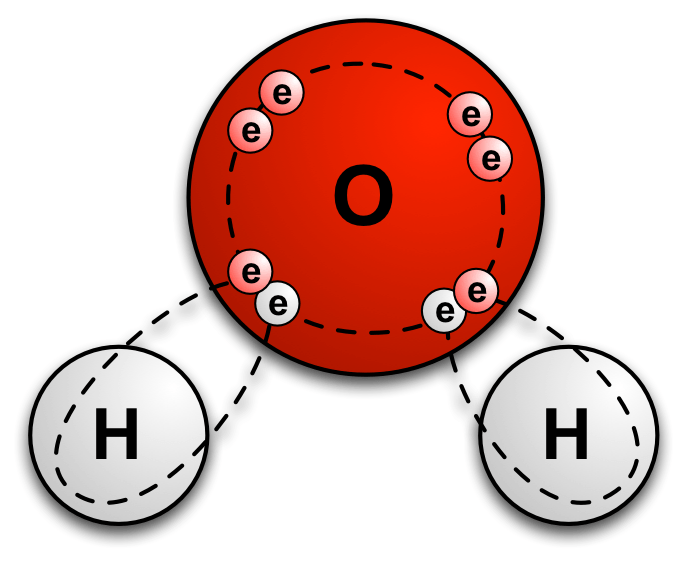
H2O
208.
What molecule is this?
a)
CO
b)
CO2
c)
C2O
d)
C2O2
209.

What is the charge of a H ion?

a)

0 (nuetral)

b)

+1

c)

-1

d)

-3

210.

NH3 is:

a)

methane

b)

nitric acid

c)

ammonia

d)

ammonium

211.
P2O5
a)
Phosphorus Oxide
b)
Pentaphosphorus Dioxide
c)
Diphosphorous pentoxide
d)
Phosphoric Oxygen
212.
CO
a)
Carbon Oxide
b)
Carbon Oxygen
c)
Dicarbon dioxide
d)
Carbon Monoxide
213.

S7O10

a)

sulfur oxide

b)

hexasulfur decoxide

c)

heptasulfur decoxide

d)

sulfuric decoxide

214.
P3F4
a)
Phosphorous fluoride
b)
Triphosphorous tetrafluoride
c)
Phosphate Fluoride
d)
Trifluoride hexafluoride
215.

The compound N2O5 would be named

a)

nitrogen oxide.

b)

dinitrogen oxide.

c)

nitrogen pentoxide.

d)

dinitrogen pentoxide.

216.
Name BCl3
a)
boron chloride
b)
boron (III) chloride
c)
boron trichloride
d)
boron chlorine
217.

Give the name for OCl2

a)

oxygen dichloride

b)

oxygen chloride

c)

oxygen (II) chloride

d)

oxygen chlorate

218.
What is the correct name for NO?
a)
Mononitrogen Monoxide
b)
Nitrogen Monoxide
c)
Mononitrogen Dioxide
d)
Nitrogen Oxide
219.

the anion part in HNO2 is

a)

nitrite ion

b)

nitric ion

c)

nitrate ion

d)

nitrogen ion

220.

The anion part in this H2PO4 acid is

a)

nitrate ion

b)

phosphate ion

c)

phosphite ion

d)

nitrous ion

Similar Resources on Wayground