
 Worksheets
Unit R308 - Engineering Design - Topic Area 1 - Retrieval B
Total questions: 21
Worksheet time: 18mins
Stages of Iterative Design Process (Design)
Primary research is?
Using someone elses data that they have collected.
The direct collection of data that has not been gathered before.
The first thing you do.
Copying competitors products.
Stages of Iterative Design Process (Design)
A design brief gives the core details and expectations of a project or a design. It is usually created during discussion between the designer and the customer (or there feedback) based around solving a design problem.
Do you agree with this statement?
Yes
No
Stages of Iterative Design Process (Design)
Which are examples of primary research techniques.
Interviews. Face to face / Phone / Zoom
Internet Data
Educational Institutions
Focus Groups
Stages of Iterative Design Process (Design)
Which are examples of Secondary research?
Commercial Sources (Newspapers, Magazines etc.)
Online Survey
Observations
Government agencies (E.g. the census)
Stages of Iterative Design Process (Design)
Secondary research is research that (a) carried out. It is usually a (b) way of collecting data. The information gathered is (c) completely relevant.
Stages of Iterative Design Process (Design)
Select the advantages of primary research.
Data gathered is customised, first hand and accurate.
It is really easy to carry out and action.
You are in full control of the data, how it is collected and how it us used.
It creates jobs and work for the research and design team.
Stages of Iterative Design Process (Design)
Select the disadvantages of primary research.
There is no guarantee that the recipients will complete the surveys/questionnaires accurately.
It can be expensive to set up and distribute.
It is time consuming to carry out and time consuming to analyse the data.
It is not as good as secondary.
Stages of Iterative Design Process (Design)
Match the Company with the question you would expect them to ask on a survey sent out to potential customers.

On average how many hours a day do you game?

Do you use a specific trainer for the gym or a general purpose trainer?

Are you more likely to sit in or take out?

Would you consider an electric vehicle? Justify your choice please.

Typically how much disposable income do you have each month?
Stages of Iterative Design Process (Design)
A tech company is releasing a new smart phone. They want to gain feedback from possible customers on the initial working prototype. Which population of people would be most appropriate to use for the focus group?
6-15
16-40
41-65
66+

Stages of Iterative Design Process (Design)
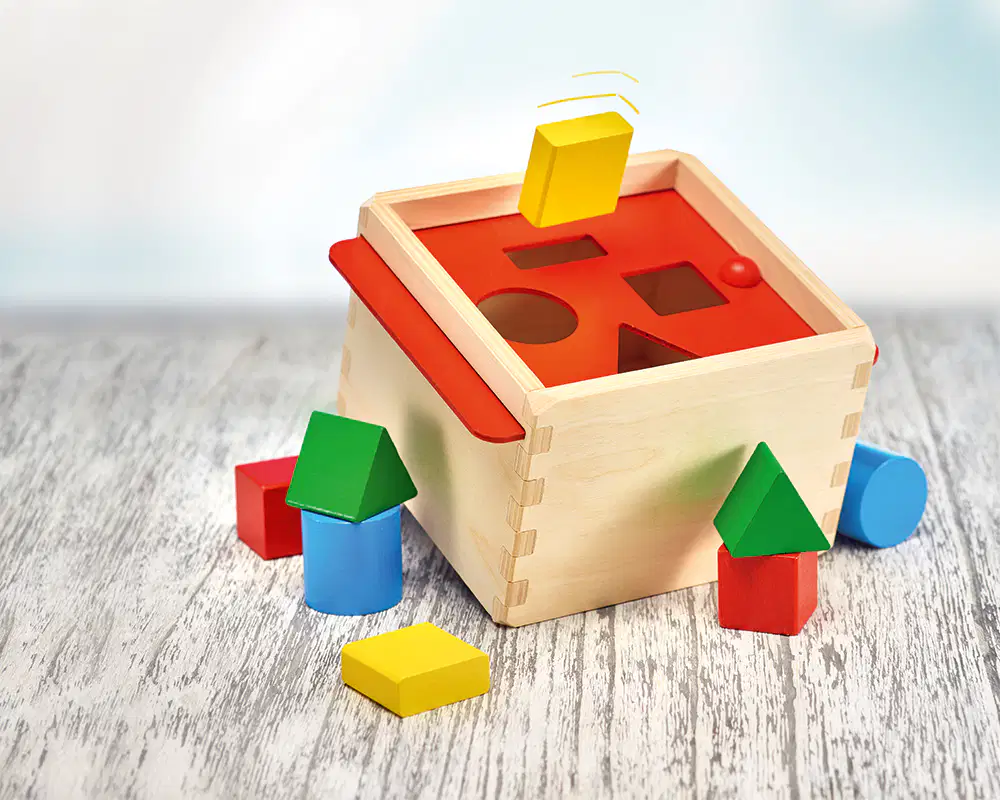
The picture shows an observation (primary research) being carried out on the user experience of a new childs shape sorting toy. What's the issue?
(a)
Stages of Iterative Design Process (Design)
Businesses will often research competitors products before releasing there own. Match the business to the competing product they would most likely research.

JCB

Apple

Playstation

McLaren

Moncler
Stages of Iterative Design Process (Design)
What anthropometric data would you expect an office chair manufacturer to collect?


Stages of Iterative Design Process (Design)
Match the product to the most useful anthropometric data.

Average foot length.

Average distance between little finger and thumb.

Average waist sizes.

Average finger width

Average height
Stages of Iterative Design Process (Design)
This is a basic design problem - "Electric cars have a limited range. Most affordable electric cars are unable to complete an extended journey on one charge alone". Select the most appropriate design brief from the options.
Design a battery and motor capable of 400+ miles on a single charge.
Create a vehicle that is cheap to recharge.
Design an E-vehicle that can quickly recharge.
Stages of Iterative Design (Design)
ACCESSFM is an acronym used to remember the main specification points. What does the A and F stand for?
Aesthetics
Form
Function
Age
Stages of Iterative Design (Design)
ACCESSFM is an acronym used to remember the main specification points. What do the C's stand for?
Cost
Collaboration
Customer
Complicated
Stages of Iterative Design (Design)
ACCESSFM is an acronym used to remember the main specification points. What do the S's stand for?
Size
Specification
Safety
Scope
Stages of Iterative Design (Design)
ACCESSFM is an acronym used to remember the main specification points. What does the E stand for?
Environment
Engineer
Ease of use
Ergonomics
Stages of Iterative Design (Design)
ACCESSFM is an acronym used to remember the main specification points. What is the two meanings for "M"?
Material
Machine
Manufacturing
Manual
Stages of Iterative Design (Design)
Which specification analysis point made below is NOT appropriate for the product?
Customer - The product is aimed at business professionals.
Safety - The product should use non toxic materials.
Aesthetics - Bright colours needed to attract the childs attention.
Size - Block should fit in the average toddlers hands, but big enough to not be swallowed.
Stages of Iterative Design Process (Design)
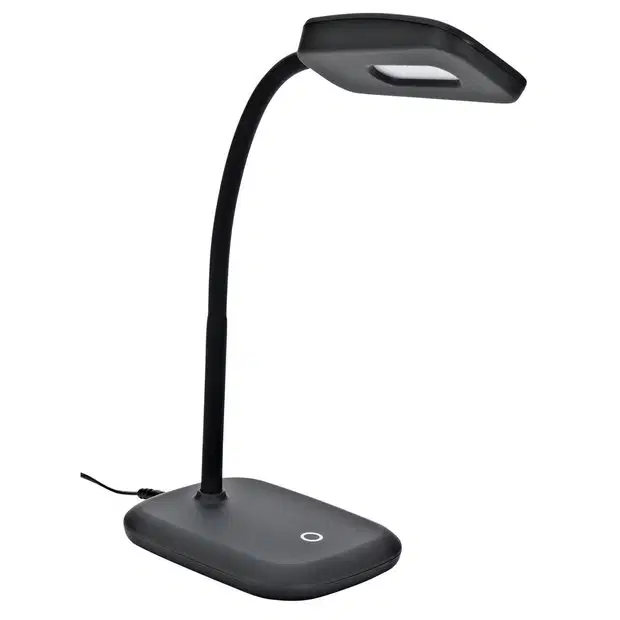
Which specification analysis point made below is MOST appropriate for the product?
Cost - The lamp will sell for £300 - £500.
Environment - The product uses an LED light which uses less energy and lasts longer.
Function - The product should be fixed down onto the desk.
Materials - The product is made from high end gold to attract a higher sale price.

