
NEW
Font size
 Worksheets
Nuclear & Chemical Potential Energy
Total questions: 16
Worksheet time: 12mins
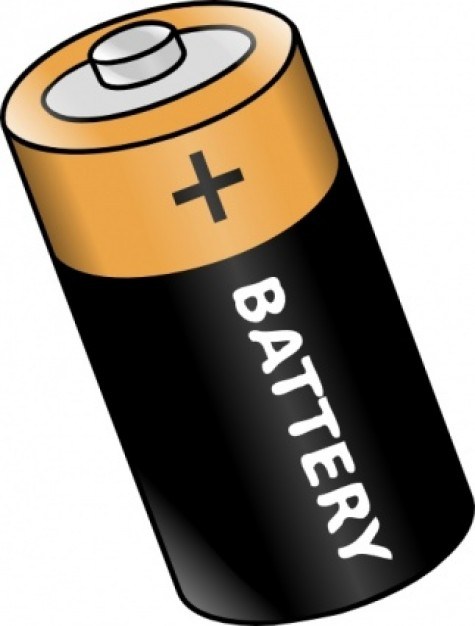
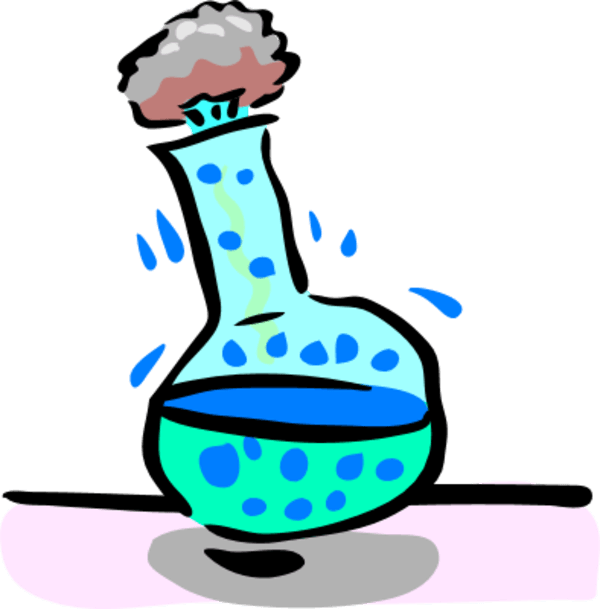
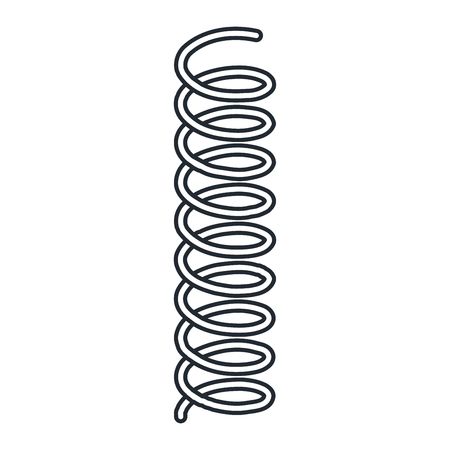
Which picture is NOT an example of Chemical PE?

How does the sun release nuclear potential energy?
fission
fusion
endothermic
atomic bomb
The splitting of a nucleus into smaller, lighter nuclei is called
fusion
fission

This is an example of
Nuclear Fission
Nuclear Fusion
No reaction
Electrons move around_________________the nucleus
Inside
Outside
On top of
Without

radiant to thermal
elastic potential to electrical
chemical potential to electrical
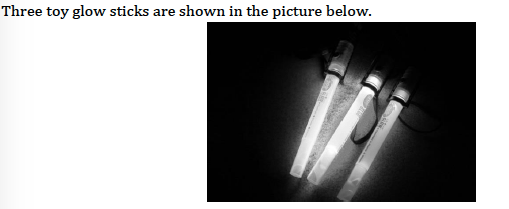
thermal to radiant
nuclear potential to electrical
chemical potential to radiant
Kinetic to electrical
Sound to chemical potential
chemical potential energy
Nuclear potential energy
A rock begins to fall of the edge of a cliff. What energy conversion is taking place as the rock falls?
sound to radiant
electrical to thermal
nuclear potential to gravitational potential
gravitational potential to kinetic
What part of the atom is shared or transferred with at least one other atom to store chemical potential energy in chemical bonds?
proton
neutron
electron
nucleus
If 1 calorie = 4.184 Joules, which unit represents more energy?
1 calorie represents more than 1 Joule
1 Joule represents more than 1 calorie
1 calorie and 1 Joule represent equal amounts of energy
There is no way to know the correct answer

