
 Worksheets
Sense and response quiz
Total questions: 46
Worksheet time: 1hrs 16mins
All of the following are internal structures except,
fur
brain
stomach
heart
All of the following are external structures except,
nose
heart
eyes
paws
What are the three things that all living things do?
(a)
all living and non living things in an area is called....
investigation
survive
environment
structure
how animals get information from its environment
habitat
function
structure
senses
to stay alive
survive
function
environment
the way something is shaped or what it is made out of that makes it good for a specific function
function
structure
investigation
observe
what something can do
environment
structure
investigation
function
Choose all of the internal structures
brain
heart
skin
lungs
choose all the internal structures
veins
bones
blood
fur
choose all the external structures
tail
fur
head
brain
choose all the external structures
tree roots
claws
legs
arms
the word exist is a synonym for this science word.
investigation
structure
survive
function
to look over with caution
vision
observe
investigation
function
the ability to see
vision
investigation
observe


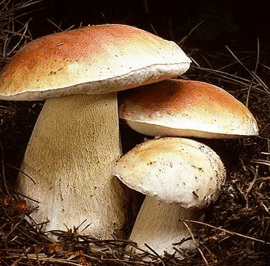


The difference in these structures is most closely related to --

How do structures like whiskers and antennae help organisms?


How do these body coverings help organisms in their environments?
Something an animal has or does that helps it survive is called a(n) _____
organism
camouflage
adaptation
omnivore
When an animal blends in with its surroundings, it's using ______
mimicry
camouflage
compression
carnivore
Why do birds have different feet?
They take in different amounts of oxygen, causing changes
They are herbivores, so they have different feet
Their internal structures are different
Feet adaptations allow them survive in different environments
What is a function?
What something does on an animal
Something an animal has
The prickly pear cactus has these structures that protect it from plant-eating animals.
Gills
Thorns or Spines
Heart
Stem
A hummingbird’s _________ is long and straw-like so that it can sip nectar from inside flowers.
Lungs
Ears
Beak
Antennae

A scorpion uses a __________, found on the end of its tail, for paralyzing its prey and for defending itself.
Jumping
Teeth
Brain
Stinger
An eagle’s sharp talons or _________ are an adaptation for catching and grasping fish swimming near the water’s surface or small animals running on the ground.
Horns
Claws
Lungs
Stinger
Mimicry is
a feature that helps to identify, tell apart, or describe; a distinguishing mark or trait; a physical attribute
a superficial (fake) resemblance of one organism to another or to another object in nature; this trick coloration helps the organism avoid predation
a living organism that is made when a plant or animal reproduces
behaviors that are acquired by an organism’s interactions with its environment and / or parents
A structure is...
what something is used for; purpose
coloration of an organism that is designed to deceive other organisms or to help it hide from predators
a feature that helps to identify, tell apart, or describe; a distinguishing mark or trait; a physical attribute
a body part that does a certain “job” for an organism
A Function is...
to continue to live or exist, especially in spite of danger or hardship
a living organism that is made when a plant or animal reproduces
what something is used for; purpose
characteristics that are determined by an organism’s genetics and passed from parent to offspring
What is Camouflage?
a superficial resemblance of one organism to another or to another object in nature; this trick coloration helps the organism avoid predation
a body part that does a certain “job” for an organism
what something is used for; purpose
coloration of an organism that is designed to deceive other organisms or to help it hide from predators
What is an Inherited Trait?
characteristics that are determined by an organism’s genetics and passed from parent to offspring
behaviors that are acquired by an organism’s interactions with its environment and / or parents
a living organism that is made when a plant or animal reproduces
to continue to live or exist, especially in spite of danger or hardship
What is a Learned behavior?
a body part that does a certain “job” for an organism
a living organism that is made when a plant or animal reproduces
behaviors that are acquired by an organism’s interactions with its environment and / or parents
coloration of an organism that is designed to deceive other organisms or to help it hide from predators
What is an Offspring?
to continue to live or exist, especially in spite of danger or hardship
what something is used for; purpose
behaviors that are acquired by an organism’s interactions with its environment and / or parents
a living organism that is made when a plant or animal reproduces

