
NEW
Font size
 Worksheets
Receptors and efectors review
Total questions: 32
Worksheet time: 21mins
ternal, and send them to the brain through the nervous system”. This is the definition of...
The part of ear that provides equilibrium
cochlea
round window
semicircular canals
labyrinth
The cornea...
controls the amount of light that enters the eye.
converts light rays into impulses that are interpreted by the brain-
protects the eye and refracts the light towards the retina.
is opaque.
The pupil
can be blue, brown or green
dilates and constracts depending on the amount of light
focuses light onto the retina
protects the eye.
The lens
protects the eye.
is a hole that lets light in.
converts reys of light into impulses
focuses the light onto the retina
The iris
protects the eye.
contains rhe rods and cones
controls the amount of light that enters the eye
focuses the light onto the fovea
The retina
protects the eye
controles the light that enters
is the photosensitive part of the eye
carries impulses to the brain
The blind spot coincides with the optic nerve
true
false
The rods and cones are located in the..
cornea
iris
lens
retina
The fovea is the part of the eye where we see with the greatest detail
False
True


What happens in the tympanic membrane?
Sound waves are converted to vibrations.
Sound waves make the tiny hairs in your ear move
Carries the message to the brain
Where is the tympanic membrane located?
The Outer ear
The Inner Ear
The Middle Ear
Where is the Eustachian Tube connected to?
The back of the head
The back of the nose
The back of the Ear
When sound waves cause the tympanic membrane to vibrate, these vibrations are immediately passed on to the_________.
outer ear and ear canal
inner ear
tiny hairs
three small bones in the middle ear

What is #13?
tympanic membrane
Anvil
Hammer
Cochlea
When you spin while sitting in a wheel chair with your eyes closed, you can sense this movement by means of your
cochlea
saccule
semicircular ducts
utricle

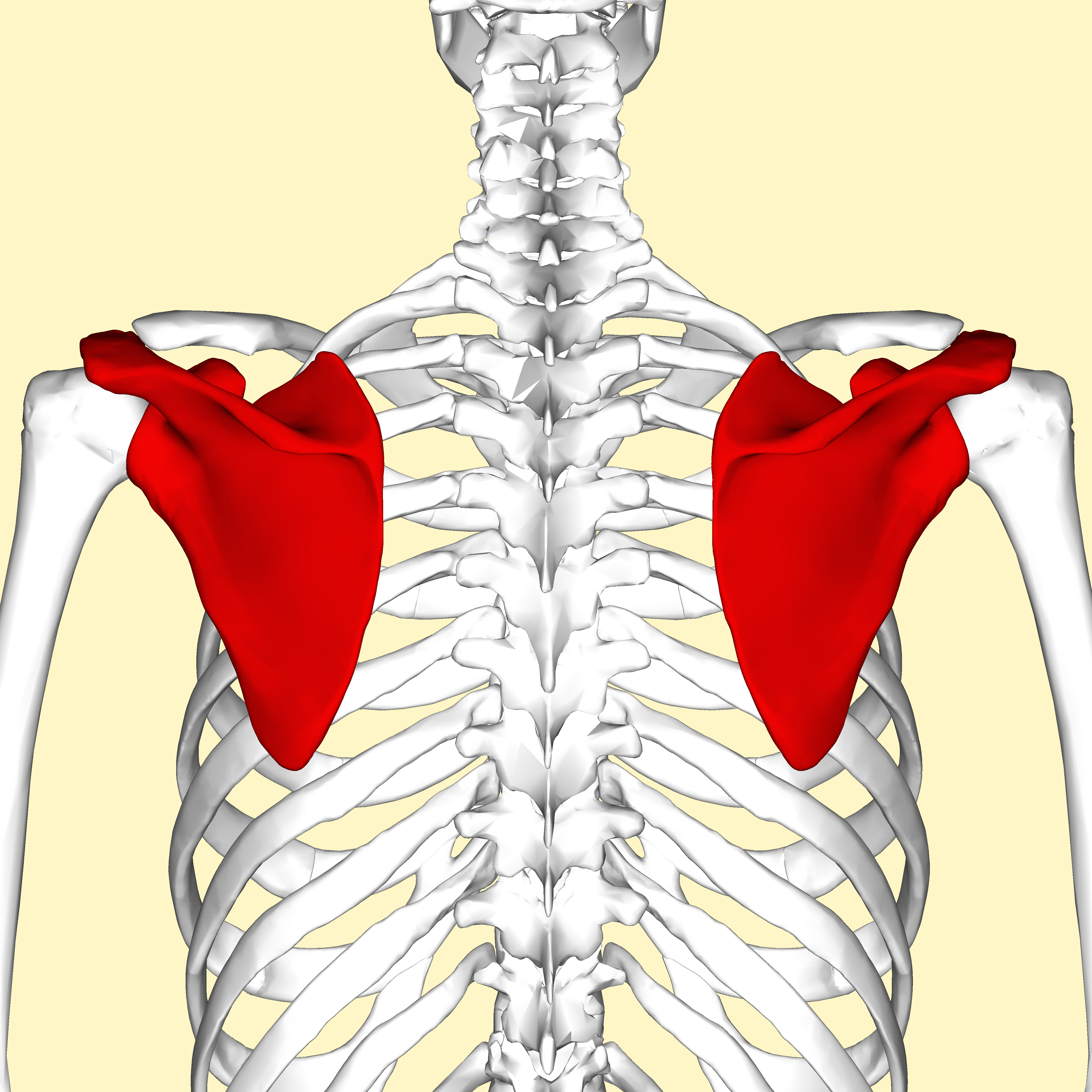
What bone is the arrow pointing to?
rib
spine
scapula
clavicle

Identify the bone shown in green.
tibia
humerus
radius
ulna

The section of this picture highlighted in green is called the _______________?
Tibia
Patella
Ilium
Fibula
What is the main function of long bones?
Protection
Shape
Support
Movement
What is the main function of flat bones?
Protection
Movement
Blood cell production

Epiphyseal plate
Diaphysis
Periosteum
Epiphysis

Joints connect...
two or more bones.
two or more ligaments.
two or more tendons.
two or more muscles.



