
 Worksheets
The Water Cycle
Total questions: 41
Worksheet time: 1hrs 6mins

What is it called when water changes from a liquid to a water vapor?
EVAPORATION
PRECIPITATION
TRANSPIRATION
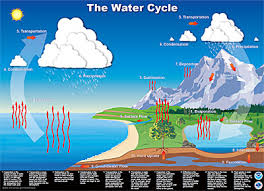


Water in its gas form is called ____________________,
water vapor
precipitation
ice
air
Living things can be a part of the water cycle.
True
False
This provides the power to keep the water cycle running.
The Sun
The Earth
The wind
living things

When liquid water is turned into a gas called water vapor, caused by the sun, it is called...
evaporation
condensation
precipitation
run-off
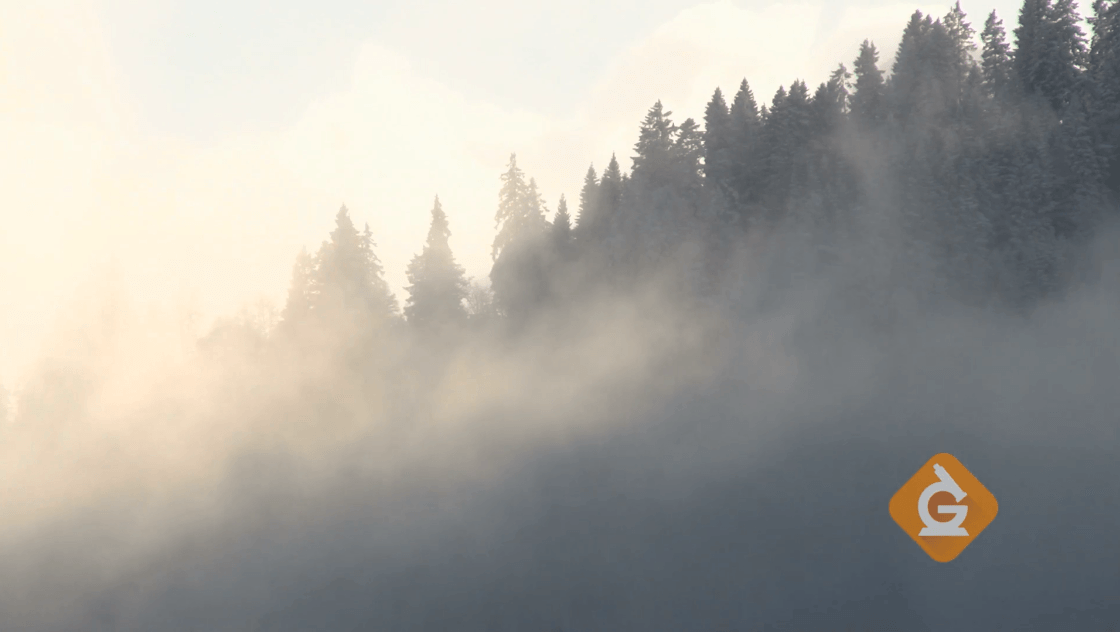
Which process forms clouds, dew, and fog?
evaporation
condensation
precipitation
run-off
What must happen to water vapor before it precipitates back down to Earth?
Water vapor must freeze
Water vapor must run-off
Water vapor must condense
Water vapor must evaporate
By which process do clouds form?
evaporation
condensation
precipitation
run0off
A student arrived at school and it was raining. When the student left school, all the puddles were dried up. What process occurred while the student was at school?
evaporation
condensation
precipitation
run-off
Which step of the water cycle is described correctly?
Condensation occurs when vapor turns into a liqid.
Evaporation occurs when vapor turns into a liquid.
Precipitation occurs when water flows across the land.
Run-off occurs when water falls from the sky.
Precipitation can occur as a solid and as a liquid. Which one is ONLY a liquid?
rain
sleet
snow
hail
Mrs. Shaw is so excited that school was cancelled due to snow falling to the ground. What part of the water cycle is this?
evaporation
condensation
precipitation
run-off

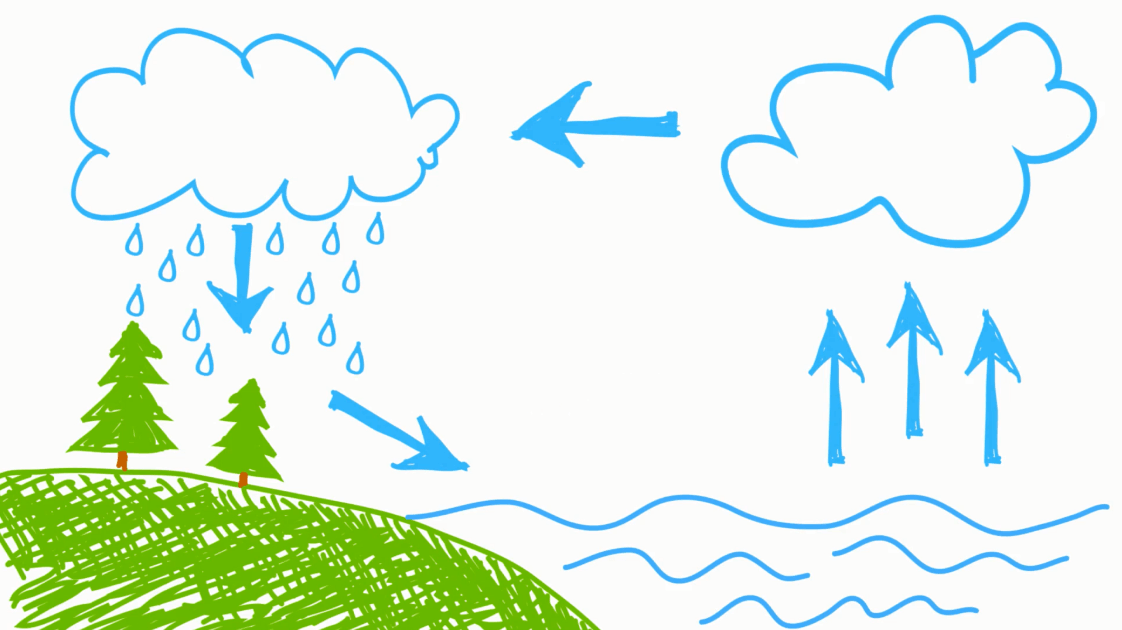
Look at the picture. What process is happening in Y?
evaporation
condensation
precipitation
run-off

Look at the picture. What process is happening in W?
evaporation
condensation
precipitation
run-off

Look at the picture. What process is happening in Z?
evaporation
condensation
precipitation
run-off

Look at the picture. What process is happening in X?
evaporation
condensation
precipitation
run-off
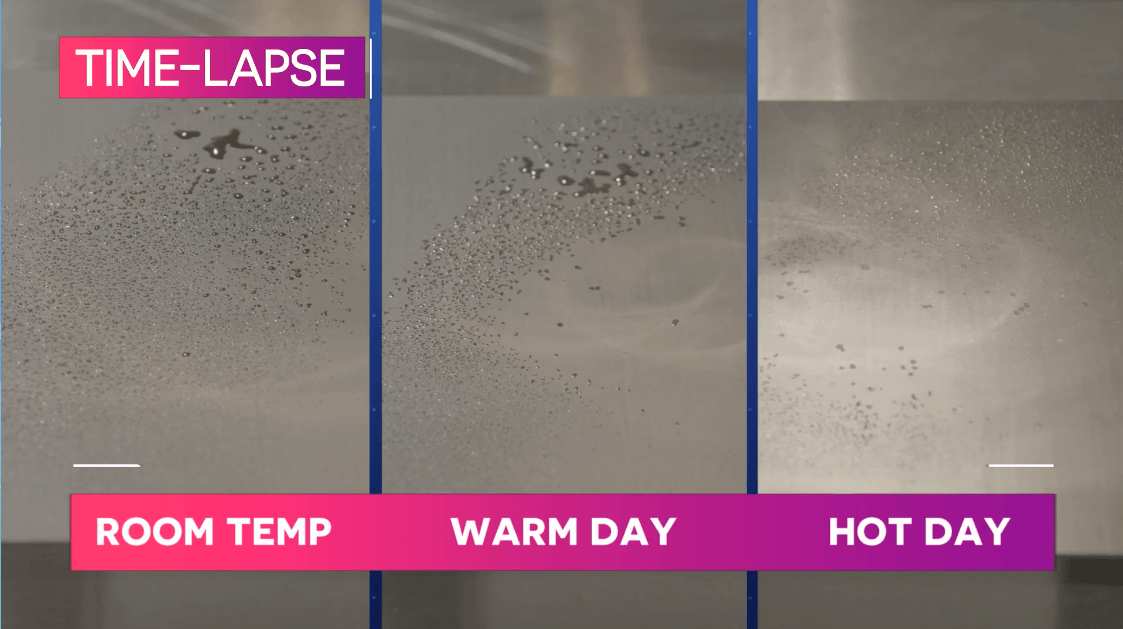
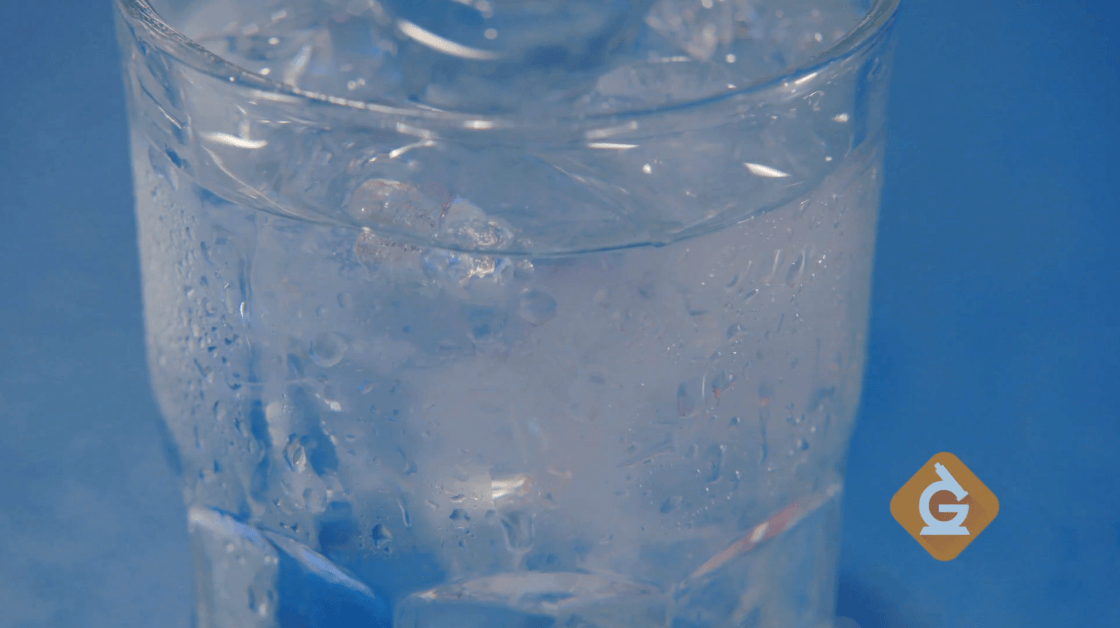
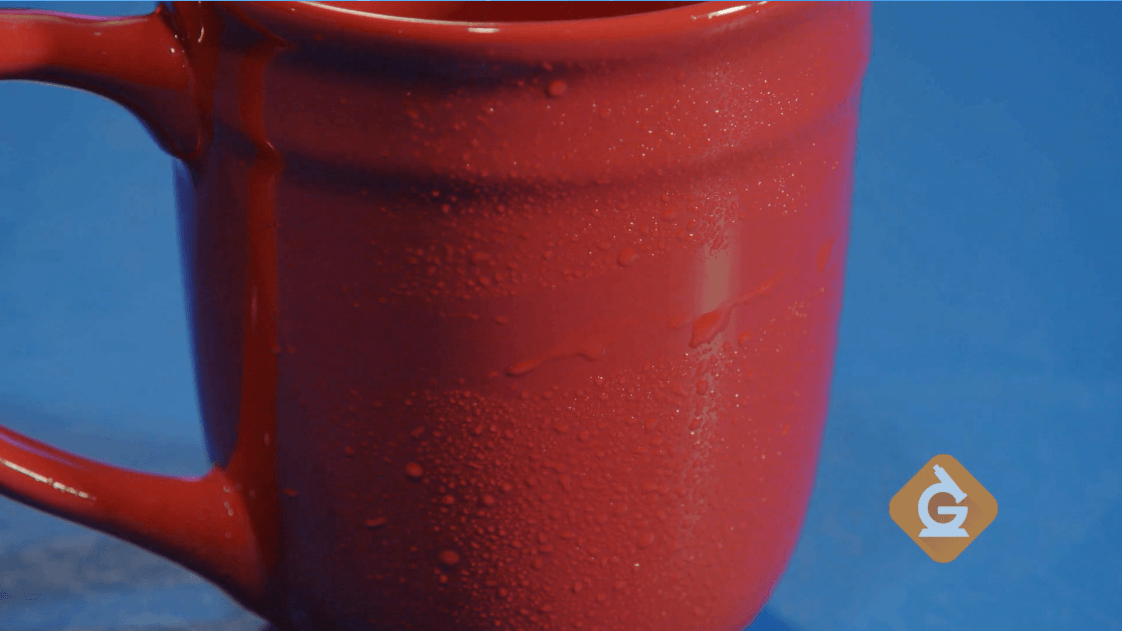
Mrs. Suber pours herself a glass of ice, cold lemonade. After a few minutes, she notices water droplets are forming on the outside of her glass. What is causing this?
Precipitation came from the surrounding air to the outside of the glass.
The water vapor in the air outside of the glass condensed when it came in contact with the cooler surface of the glass.
The water vapor in the air outside of the glass evaporated when it came in contact with the cooler surfaces of the glass.
Moisture came from the inside of the glass and stayed on the outside of the glass.
Water that falls back to Earth
precipitation
weather
climate
the sun
What heats up the water in the water cycle
precipitation
weather
climate
the sun
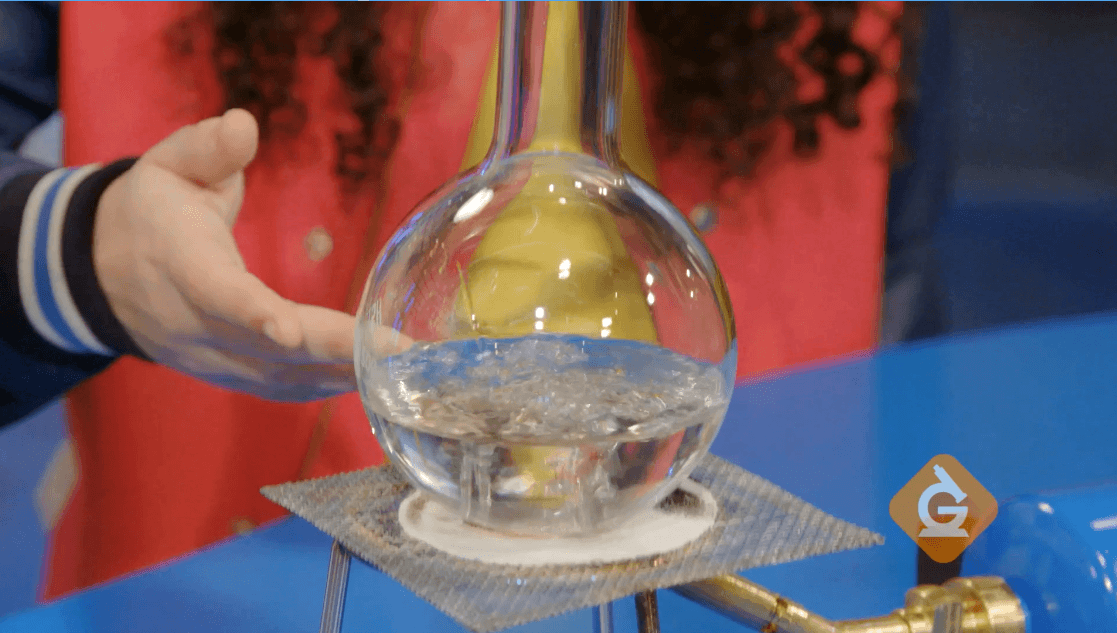
The process when liquid water is heated up and turns into gas
precipitation
condensation
evaporation
storage
Snow is a kind of
evaporation
condensation
precipitation
magical thing that floats
Water that runs off mountains or high land and is stored in rivers, lakes, and oceans is called
precipitation
runoff
climate
condensation

This measures temprature
thermometer
barometer
rain gauge
anemometer
Why do we need to conserve water?
Water is limited and we need it to survive
There is a lot of water- so we do not need to worry about conserving it
We do not need to conserve water

Which of the following is a way of conserving water?
leave the water running while you brush your teeth
Take shorter showers
Fill the tub up with water for a bath
use the water hose to water plants

