
NEW
Font size
 Worksheets
REPORT TEXT QUIZ 2
Total questions: 10
Worksheet time: 2hrs 40mins

Jellyfish are not really fish. They are invertebrate animals. This means that unlike fish or people, they have no backbones. In fact, they have no bones at all.
Jellyfish have stomachs and mouths, but no heads. They have nervous systems for sensing the world around them, but no brains. They are made almost entirely of water, which is why you can look through them.
Some jellyfish can glow in darkness by making their own light. The light is made by a chemical reaction inside the jellyfish. Scientists believe jellyfish glow for several reasons. For example, they may glow to scare away predators or to attract animals they like to eat.
Most jellyfish live in salt water, apart from a few types that live in fresh water. Jellyfish are found in oceans and seas all over the world. They live in warm, tropical seas and in icy waters near the North and South poles.
Which one creates Jellyfish’s light?
Ocean
Stomachs and mouths
Chemical reaction
Salt water
Fresh water

Jellyfish are not really fish. They are invertebrate animals. This means that unlike fish or people, they have no backbones. In fact, they have no bones at all.
Jellyfish have stomachs and mouths, but no heads. They have nervous systems for sensing the world around them, but no brains. They are made almost entirely of water, which is why you can look through them.
Some jellyfish can glow in darkness by making their own light. The light is made by a chemical reaction inside the jellyfish. Scientists believe jellyfish glow for several reasons. For example, they may glow to scare away predators or to attract animals they like to eat.
Most jellyfish live in salt water, apart from a few types that live in fresh water. Jellyfish are found in oceans and seas all over the world. They live in warm, tropical seas and in icy waters near the North and South poles.
Based on the text, we know that…
They don’t have brain, only stomachs, and mouths
They glow when they sleep
They live in the lake
They are part of fish
They are vertebrate animals

Jellyfish are not really fish. They are invertebrate animals. This means that unlike fish or people, they have no backbones. In fact, they have no bones at all.
Jellyfish have stomachs and mouths, but no heads. They have nervous systems for sensing the world around them, but no brains. They are made almost entirely of water, which is why you can look through them.
Some jellyfish can glow in darkness by making their own light. The light is made by a chemical reaction inside the jellyfish. Scientists believe jellyfish glow for several reasons. For example, they may glow to scare away predators or to attract animals they like to eat.
Most jellyfish live in salt water, apart from a few types that live in fresh water. Jellyfish are found in oceans and seas all over the world. They live in warm, tropical seas and in icy waters near the North and South poles.
What is the text about?
Kinds of all really not fish
Jellyfish
Salt water animals
Some kinds of sea animals
Animals that live in warm & tropical seas

Komodo dragon is the largest lizard. It lives in the scrub and woodland of a few Indonesian islands. Komodo dragon is the world’s heaviest lizard, weighing 150 pounds or more. The largest Komodo ever measured was more than 10 feet (3 meters) long and weighed 366 pounds (166 kg) but the average size of komodo in the wild is about 8 feet (2.5 meters) long and 200 pounds (91 kg).
Komodo has gray scaly skin, a pointed snout, powerful limbs and a muscular tail. They use their keen sense of smell to locate decaying animal remains from several miles away. They also hunt other lizards as well as large mammals and are sometimes cannibalistic. The Komodo dragon’s teeth are almost completely covered by its gums. When it feeds, the gums bleed, creating an ideal culture for virulent bacteria. The bacteria that live in the Komodo dragon’s saliva causes septicemia, or blood poisoning, in its victims. A dragon will bite its prey, then follow it until the animal is too weak to carry on. This lizard species is threatened by hunting, loss of prey species and habitat loss.
What is the text above mainly about?
The habitat of Komodo Dragon.
The largest lizard.
A heavy reptile.
Features of Komodo Dragon.
Komodo Dragon.

Komodo dragon is the largest lizard. It lives in the scrub and woodland of a few Indonesian islands. Komodo dragon is the world’s heaviest lizard, weighing 150 pounds or more. The largest Komodo ever measured was more than 10 feet (3 meters) long and weighed 366 pounds (166 kg) but the average size of komodo in the wild is about 8 feet (2.5 meters) long and 200 pounds (91 kg).
Komodo has gray scaly skin, a pointed snout, powerful limbs and a muscular tail. They use their keen sense of smell to locate decaying animal remains from several miles away. They also hunt other lizards as well as large mammals and are sometimes cannibalistic. The Komodo dragon’s teeth are almost completely covered by its gums. When it feeds, the gums bleed, creating an ideal culture for virulent bacteria. The bacteria that live in the Komodo dragon’s saliva causes septicemia, or blood poisoning, in its victims. A dragon will bite its prey, then follow it until the animal is too weak to carry on. This lizard species is threatened by hunting, loss of prey species and habitat loss.
These are the features of a Komodo Dragon, except ...
Gray-scaled skin.
Pointed snout.
Sharp big teeth.
Muscular tail.
Powerful limbs

“They use their keen sense of smell to locate decaying animal remains from several miles away. ” (sixth step)
What is the synonym of the underlined word?
Dead
Poisoned
Rotten
Buried
Fresh
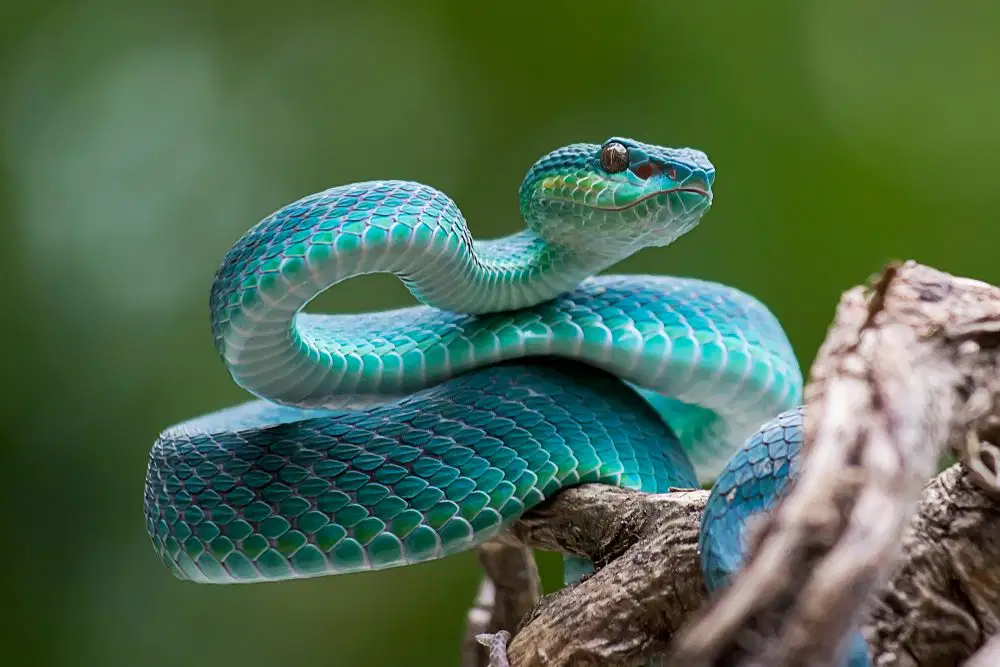
Snakes are reptiles (cold-blooded creatures). They belong to the same group as lizards (the scaled group, Squamata) but from a sub-group of their own (Serpentes).Snakes have two legs but a long time ago they had claws to help them slither along. Snakes are not slimy. They are covered in scales which are just bumps on the skin. Their skin is hard and glossy to reduce friction as the snake slithers along the ground. Snakes often sun bathe on rocks in the warm weather. This is because snakes are cold-blooded; they need the sun’s warmth to heat their bodies up. Most snakes live in the country. Some types of snakes live in tress, some live in water, but most live on the ground in deserted rabbit burrows, in thick, long grass and in old logs. A snake’s diet usually consists of frogs, lizard, and mice and other snakes. The Anaconda can eat small crocodiles and even bears. Many snakes protect themselves with their fangs. Some snakes are protected by scaring their enemies away like the Cobra. The flying snakes glide away from danger. Their ribs spread apart and the skin stretches out. Its technique is just like the sugar gliders.
Since the snakes are cold-blooded, they…
like sucking the cool blood
avoid sun-bathing to their skins
never sun bathe in the warm weather
live on the ground in deserted burrows
require the sun’s warmth to heat their bodies
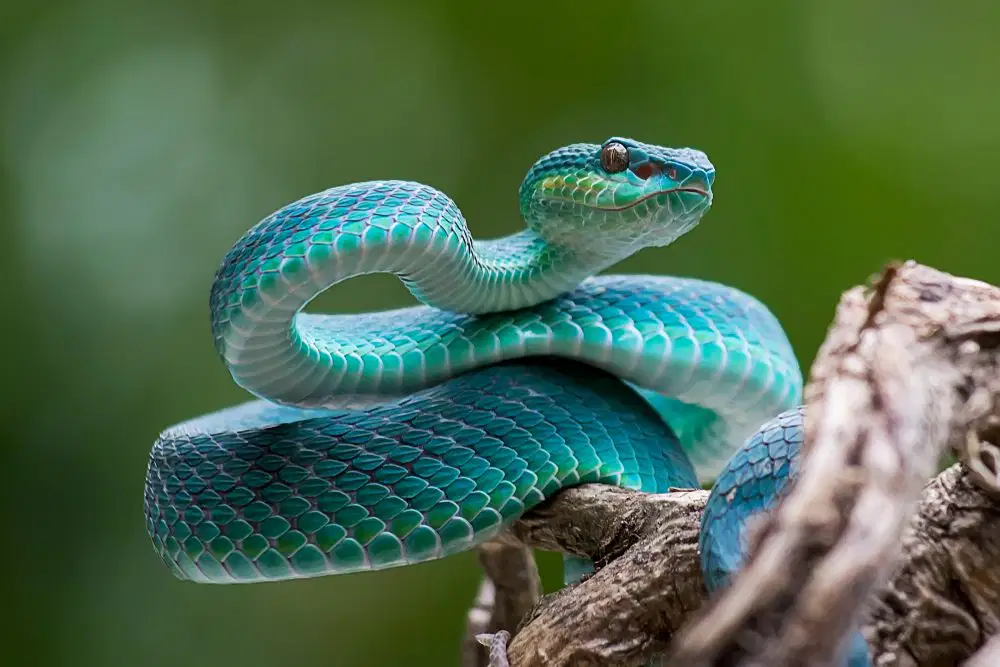
Snakes are reptiles (cold-blooded creatures). They belong to the same group as lizards (the scaled group, Squamata) but from a sub-group of their own (Serpentes).Snakes have two legs but a long time ago they had claws to help them slither along. Snakes are not slimy. They are covered in scales which are just bumps on the skin. Their skin is hard and glossy to reduce friction as the snake slithers along the ground. Snakes often sun bathe on rocks in the warm weather. This is because snakes are cold-blooded; they need the sun’s warmth to heat their bodies up. Most snakes live in the country. Some types of snakes live in tress, some live in water, but most live on the ground in deserted rabbit burrows, in thick, long grass and in old logs. A snake’s diet usually consists of frogs, lizard, and mice and other snakes. The Anaconda can eat small crocodiles and even bears. Many snakes protect themselves with their fangs. Some snakes are protected by scaring their enemies away like the Cobra. The flying snakes glide away from danger. Their ribs spread apart and the skin stretches out. Its technique is just like the sugar gliders.
We know from the text that snakes…
do not have claws
do not like sunlight
use their claws to slither along the ground
use their legs to climb the tree
have two legs and claws

Ant-eaters are perhaps the most curious looking animals.Their long head and snout look like tubes, and they have no teeth at all. Their front legs are very strong and armed with heavy curved claws with which they break open the nets of ants and termites and then, when the insects rush out, use their long, sticky tongues to lick them up at great speed.True ant-eaters are found in the swamps and forests of central and South America. Scaly ant-eaters, or pangolins, are found in Africa and tropical Asia.Various other insect-eating animals are sometimes called ant-eaters, although they really belong to other groups of animals. One of them is the ant-bear, which lives on the plains of South and Central Africa. This has long, erect ears but short blunt claws, an almost hairless tail, yellow brown in color. Unlike the true ant-eaters, it has small teeth.
The text tells us …
the story of ant-eaters
the report of ant-eaters
the discussion of ant-eaters
the description of ant-eaters. the explanation of ant-eater’s bod
the explanation of ant-eater’s body

An elephant is the largest and strongest animals. It is a strange looking animal with its thick legs, huge sides and backs, large hanging ears, a small tall, little eyes, long white tusks and above all it has a long noise, the trunk.The trunk is the elephant’s peculiar feature, and it has various uses. The elephant draws up water by its trunk and can squirt it all over its body like a shower bath. It can also lift leaves and puts them into its mouth. In fact the trunk serves the elephant as a long am and hand. An elephant looks very clumsy and heavy and yet it can move very quickly.The elephant is a very intelligent animal. Its intelligence combined with its great strength makes it a very useful servant to man and it can be trained to serve in various ways such as carry heavy loads, hunt for tigers and even fight.
The text above is in the form of…
Advertisement Text
Biography Text
Report Text
Narrative Text
Descriptive Text

